


Small molecule-mediated inhibition of myofibroblast transdifferentiation for the treatment of fibrosis
- PMID: 28416697
- PMCID: PMC5422806
- DOI: 10.1073/pnas.1702750114
Small molecule-mediated inhibition of myofibroblast transdifferentiation for the treatment of fibrosis
Abstract
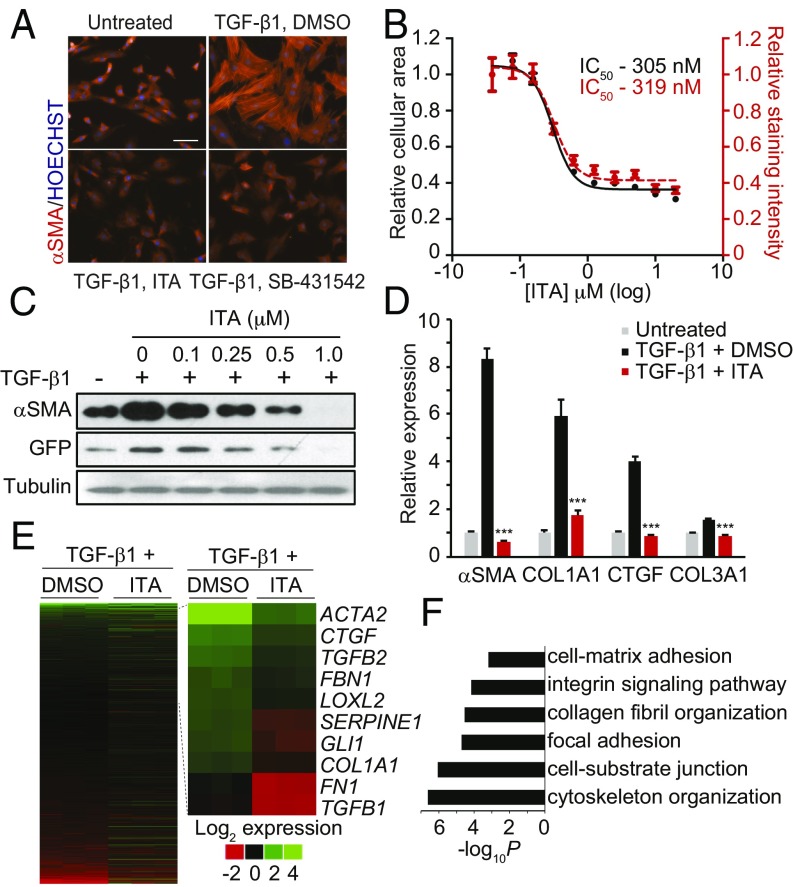
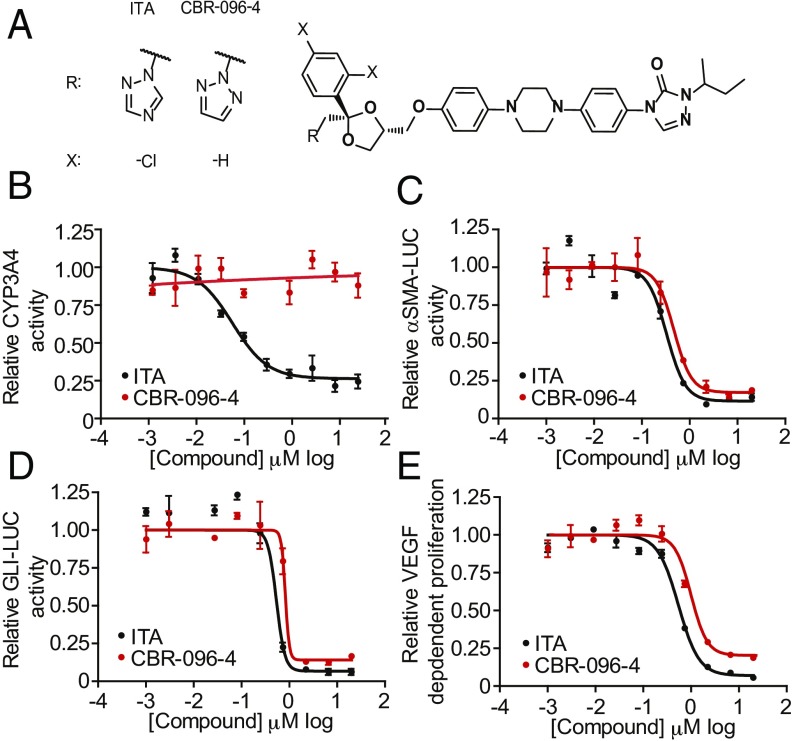
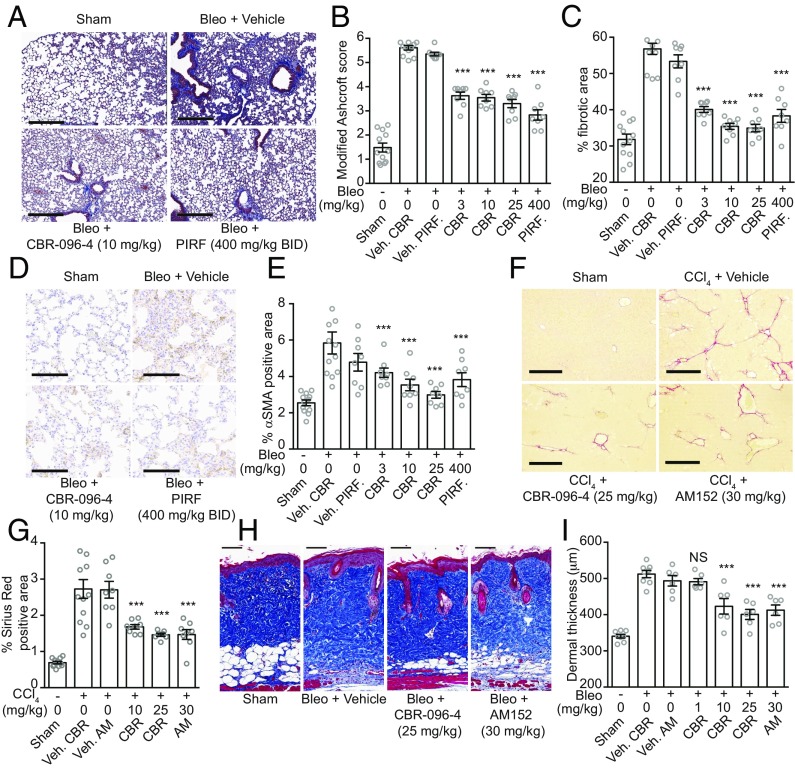
Fibrosis, a disease in which excessive amounts of connective tissue accumulate in response to physical damage and/or inflammatory insult, affects nearly every tissue in the body and can progress to a state of organ malfunction and death. A hallmark of fibrotic disease is the excessive accumulation of extracellular matrix-secreting activated myofibroblasts (MFBs) in place of functional parenchymal cells. As such, the identification of agents that selectively inhibit the transdifferentiation process leading to the formation of MFBs represents an attractive approach for the treatment of diverse fibrosis-related diseases. Herein we report the development of a high throughput image-based screen using primary hepatic stellate cells that identified the antifungal drug itraconazole (ITA) as an inhibitor of MFB cell fate in resident fibroblasts derived from multiple murine and human tissues (i.e., lung, liver, heart, and skin). Chemical optimization of ITA led to a molecule (CBR-096-4) devoid of antifungal and human cytochrome P450 inhibitory activity with excellent pharmacokinetics, safety, and efficacy in rodent models of lung, liver, and skin fibrosis. These findings may serve to provide a strategy for the safe and effective treatment of a broad range of fibrosis-related diseases.
Keywords: drug discovery; fibrosis; itraconazole; myofibroblast; transdifferentiation.
Conflict of interest statement
The authors declare no conflict of interest.
Figures
References
Publication types
MeSH terms
Substances
LinkOut - more resources
Full Text Sources
Other Literature Sources
Medical
Molecular Biology Databases
Research Materials
Miscellaneous
