


Juvenile Idiopathic Arthritis
- PMID: 28418334
- PMCID: PMC5394305
- DOI: 10.4274/balkanmedj.2017.0111
Juvenile Idiopathic Arthritis
Abstract
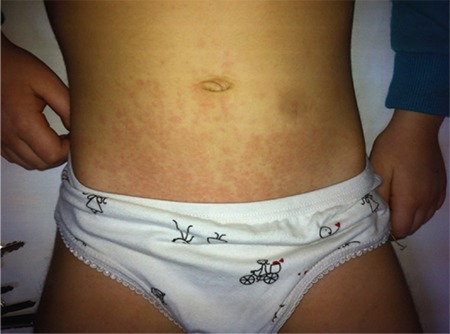
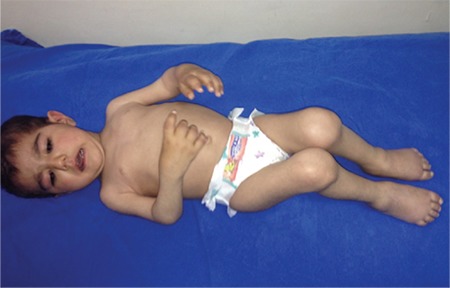
Juvenile idiopathic arthritis is the most common chronic rheumatic disease of unknown aetiology in childhood and predominantly presents with peripheral arthritis. The disease is divided into several subgroups, according to demographic characteristics, clinical features, treatment modalities and disease prognosis. Systemic juvenile idiopathic arthritis, which is one of the most frequent disease subtypes, is characterized by recurrent fever and rash. Oligoarticular juvenile idiopathic arthritis, common among young female patients, is usually accompanied by anti-nuclear antibodie positivity and anterior uveitis. Seropositive polyarticular juvenile idiopathic arthritis, an analogue of adult rheumatoid arthritis, is seen in less than 10% of paediatric patients. Seronegative polyarticular juvenile idiopathic arthritis, an entity more specific for childhood, appears with widespread large- and small-joint involvement. Enthesitis-related arthritis is a separate disease subtype, characterized by enthesitis and asymmetric lower-extremity arthritis. This disease subtype represents the childhood form of adult spondyloarthropathies, with human leukocyte antigen-B27 positivity and uveitis but commonly without axial skeleton involvement. Juvenile psoriatic arthritis is characterized by a psoriatic rash, accompanied by arthritis, nail pitting and dactylitis. Disease complications can vary from growth retardation and osteoporosis secondary to treatment and disease activity, to life-threatening macrophage activation syndrome with multi-organ insufficiency. With the advent of new therapeutics over the past 15 years, there has been a marked improvement in juvenile idiopathic arthritis treatment and long-term outcome, without any sequelae. The treatment of juvenile idiopathic arthritis patients involves teamwork, including an experienced paediatric rheumatologist, an ophthalmologist, an orthopaedist, a paediatric psychiatrist and a physiotherapist. The primary goals of treatment are to eliminate active disease, to normalize joint function, to preserve normal growth and to prevent long-term joint damage. Timely and aggressive treatment is important to provide early disease control. The first-line treatment includes disease-modifying anti-rheumatic drugs (methotrexate, sulphasalazine, leflunomide) in combination with corticosteroids, used in different dosages and routes (oral, intravenous, intra-articular). Intra-articular application of steroids seems to be an effective treatment modality, especially in monoarthritis. Biological agents should be added in the treatment of unresponsive patients. Anti-tumour necrosis factor agents (etanercept, infliximab, adalimumab), anti-interleukin-1 agents (anakinra, canakinumab), anti- interleukin-6 agents (tocilizumab) and T-cell regulatory agents (abatacept) have been shown to be safe and effective in childhood patients. Recent studies reported sustained reduction in joint damage with even complete clinical improvement in paediatric patients, compared to previous data.
Keywords: Juvenile idiopathic arthritis; biologic therapy in childhood; pediatric rheumatology chronic arthritis in childhood..
Conflict of interest statement
Figures
References
-
- Aslan M, Kasapcopur O, Yasar H, Polat E, Saribas S, Cakan H, et al. Do infections trigger juvenile idiopathic arthritis? Rheumatol Int. 2011;31:215–20. - PubMed
-
- Ross E, Petty RML, Lucy R. Wedderburn. Juvenile Idiopathic Arthritis. In: Petty RE, Laxer RM, Lindsley CB, Wedderburn LR, editors. Textbook of Pediatric Rheumatology. Elsevier Saunders Company; 2016. pp. 188–284.
-
- Petty RE, Southwood TR, Manners P, Baum J, Glass DN, Goldenberg J, et al. International League of Associations for Rheumatology classification of juvenile idiopathic arthritis: second revision, Edmonton, 2001. J Rheumatol. 2004;31:390–2. - PubMed
-
- Gowdie PJ, Tse SM. Juvenile idiopathic arthritis. Pediatr Clin North Am. 2012;59:301–27. - PubMed
MeSH terms
Substances
LinkOut - more resources
Full Text Sources
Other Literature Sources
Medical
Miscellaneous
