


Genetic and epigenetic changes in host ABCB1 influences malaria susceptibility to Plasmodium falciparum
- PMID: 28422980
- PMCID: PMC5397027
- DOI: 10.1371/journal.pone.0175702
Genetic and epigenetic changes in host ABCB1 influences malaria susceptibility to Plasmodium falciparum
Abstract
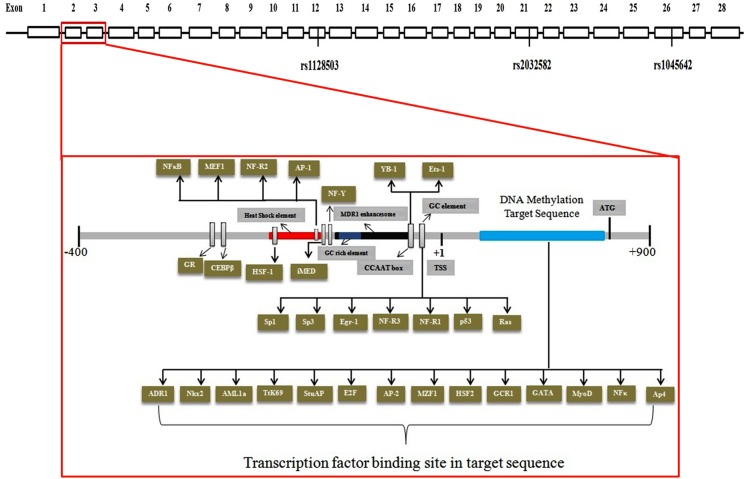
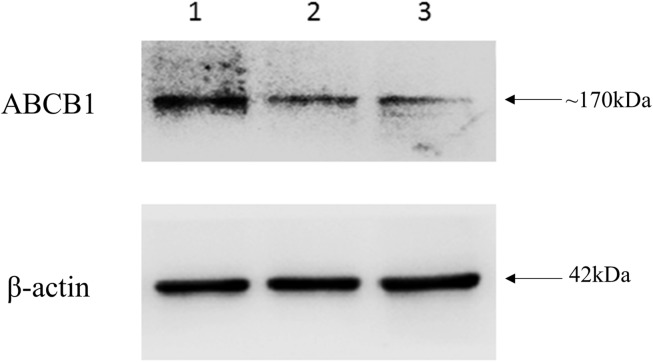
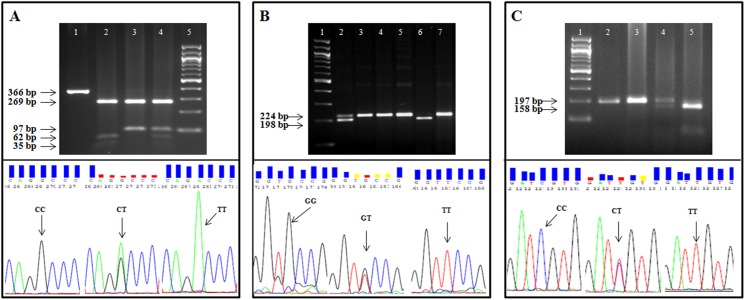
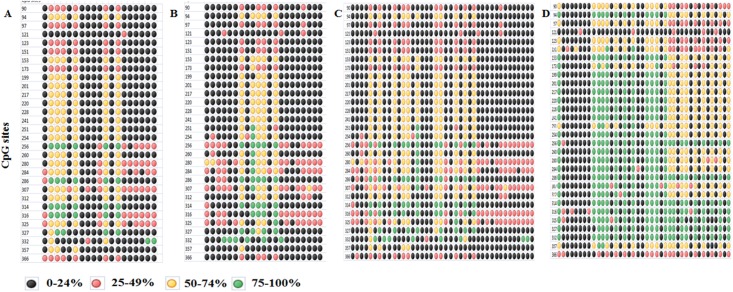
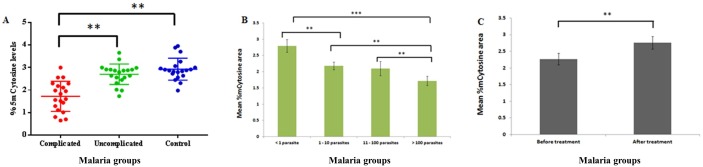
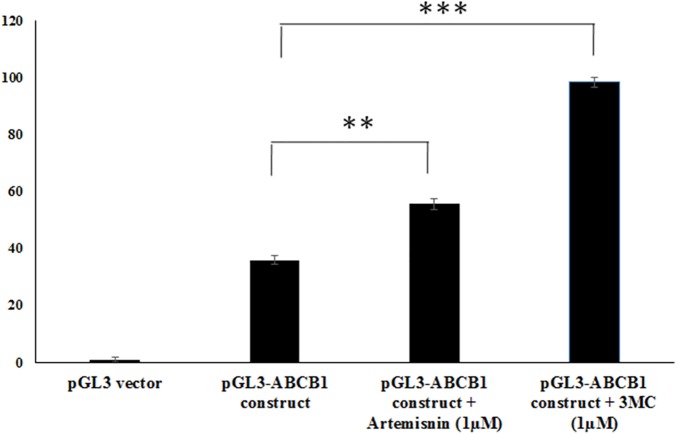
Multiple mechanisms such as genetic and epigenetic variations within a key gene may play a role in malarial susceptibility and response to anti-malarial drugs in the population. ABCB1 is one of the well-studied membrane transporter genes that code for the P-glycoprotein (an efflux protein) and whose effect on malaria disease predisposition and susceptibility to drugs remains to be understood. We studied the association of single nucleotide variations in human ABCB1 that influences its function in subjects with uncomplicated and complicated malaria caused by Plasmodium falciparum (Pf). Global DNA methylation and ABCB1 DNA promoter methylation levels were performed along with transcriptional response and protein expression in subjects with malaria and healthy controls. The rs2032582 locus was significantly associated with complicated and combined malaria groups when compared to controls (p < 0.05). Significant DNA methylation difference was noticed between case and control (p < 0.05). In addition, global DNA methylation levels of the host DNA were inversely proportional to parasitemia in individuals with Pf infection. Our study also revealed the correlation between ABCB1 DNA promoter methylation with rs1128503 and rs2032582 polymorphisms in malaria and was related to increased expression of ABCB1 protein levels in complicated malaria group (p < 0.05) when compared to uncomplicated malaria and control groups. The study provides evidence for multiple mechanisms that may regulate the role of host ABCB1 function to mediate aetiology of malaria susceptibility, prognosis and drug response. These may have clinical implications and therapeutic application for various malarial conditions.
Conflict of interest statement
Figures
References
-
- WHO. World malaria report 2015. 2015.
-
- Trampuz A, Jereb M, Muzlovic I, Prabhu RM. Clinical review: severe malaria. Crit Care. 2003; 7: 315–323. doi: 10.1186/cc2183 - DOI - PMC - PubMed
-
- Fernandes RC, Hasan M, Gupta H, Geetha K, Rai PS, Hande MH, et al. Host genetic variations in glutathione-S-transferases, superoxide dismutases and catalase genes influence susceptibility to malaria infection in an Indian population. Mol Genet Genomics. 2015; 290: 1155–1168. doi: 10.1007/s00438-014-0984-4 - DOI - PubMed
-
- Gupta H, Jain A, Saadi AV, Vasudevan TG, Hande MH, D'Souza SC, et al. Categorical complexities of Plasmodium falciparum malaria in individuals is associated with genetic variations in ADORA2A and GRK5 genes. Infect Genet Evol. 2015; 34:188–199. doi: 10.1016/j.meegid.2015.06.010 - DOI - PubMed
-
- Clark IA, Budd AC, Alleva LM, Cowden WB. Human malarial disease: A consequence of inflammatory cytokines release. Malar J. 2006; 5: 85 doi: 10.1186/1475-2875-5-85 - DOI - PMC - PubMed
MeSH terms
Substances
LinkOut - more resources
Full Text Sources
Other Literature Sources
