


Switching of metabolic programs in response to light availability is an essential function of the cyanobacterial circadian output pathway
- PMID: 28430105
- PMCID: PMC5400509
- DOI: 10.7554/eLife.23210
Switching of metabolic programs in response to light availability is an essential function of the cyanobacterial circadian output pathway
Abstract
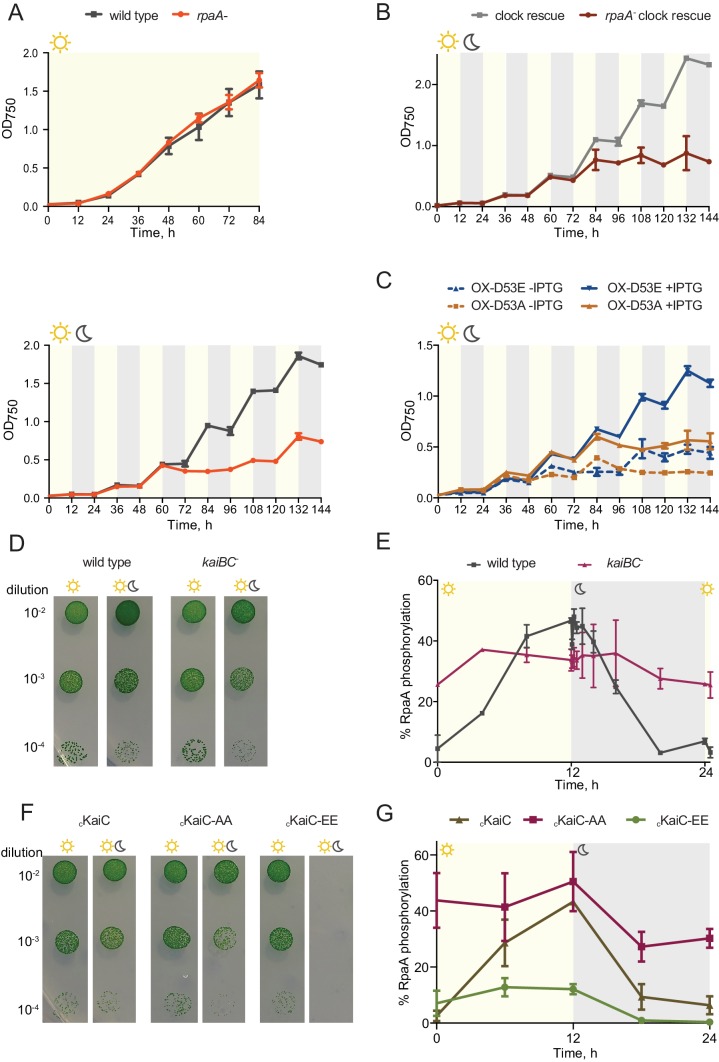
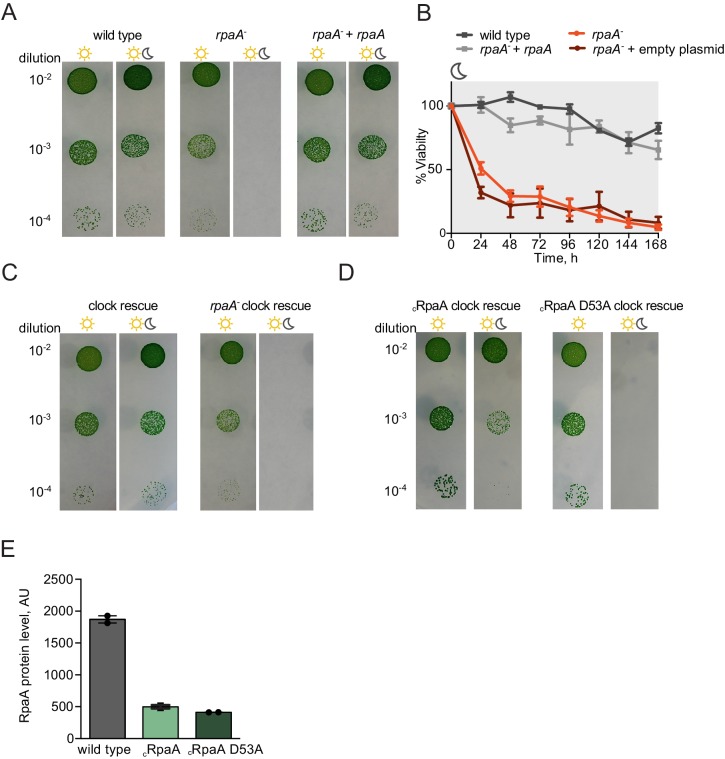
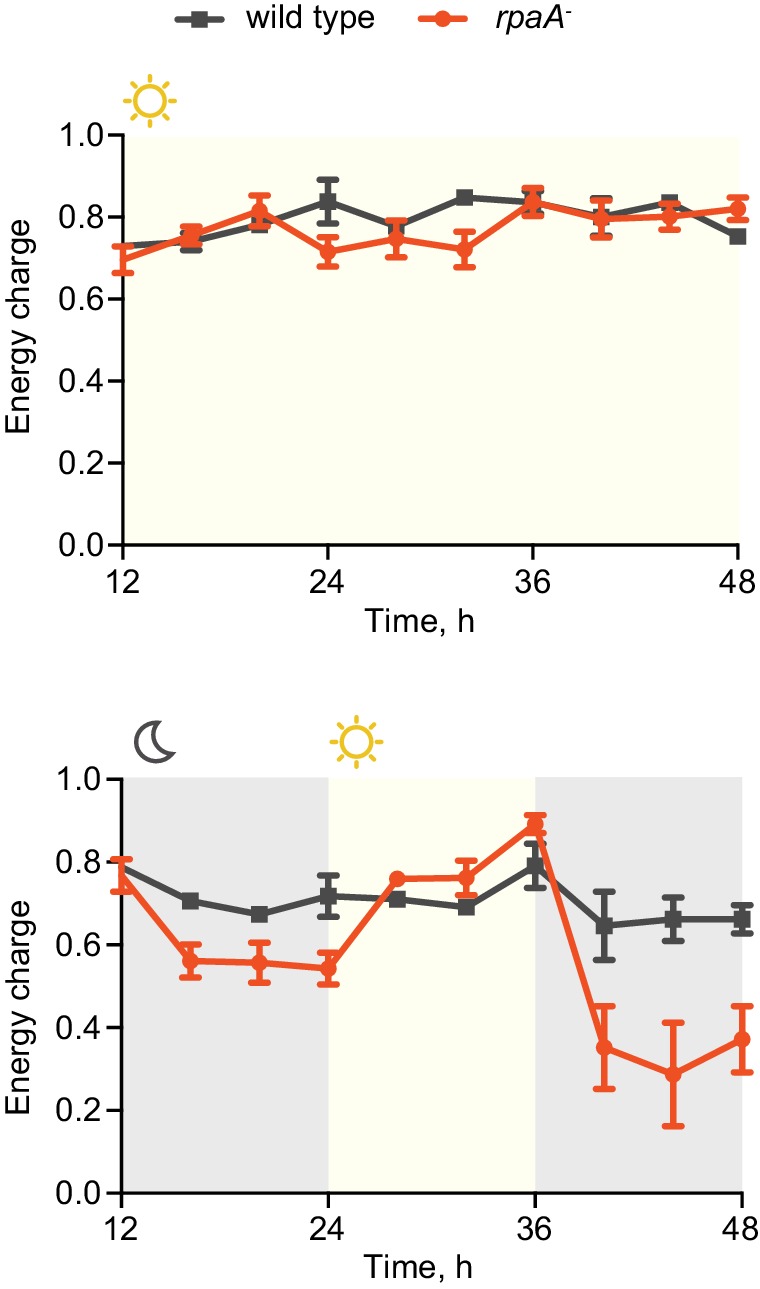
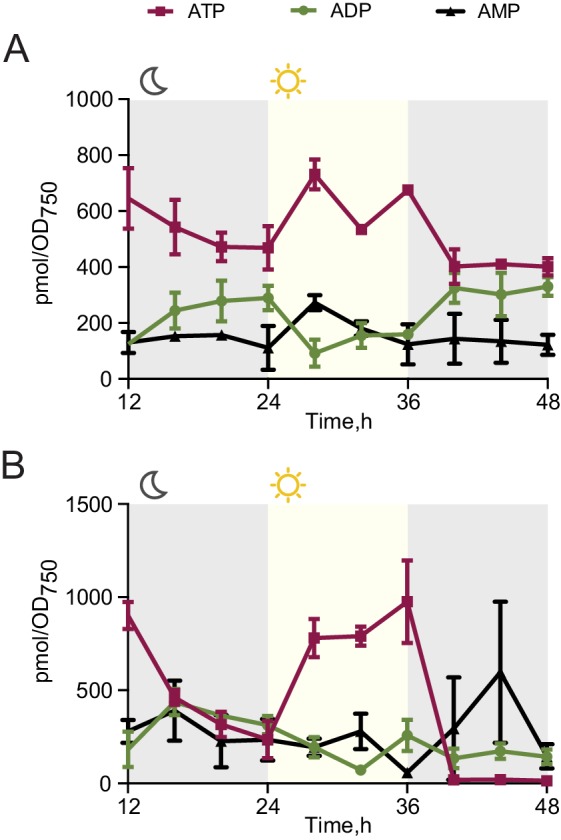
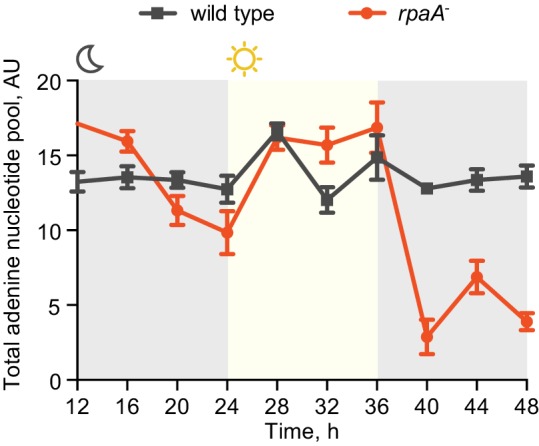
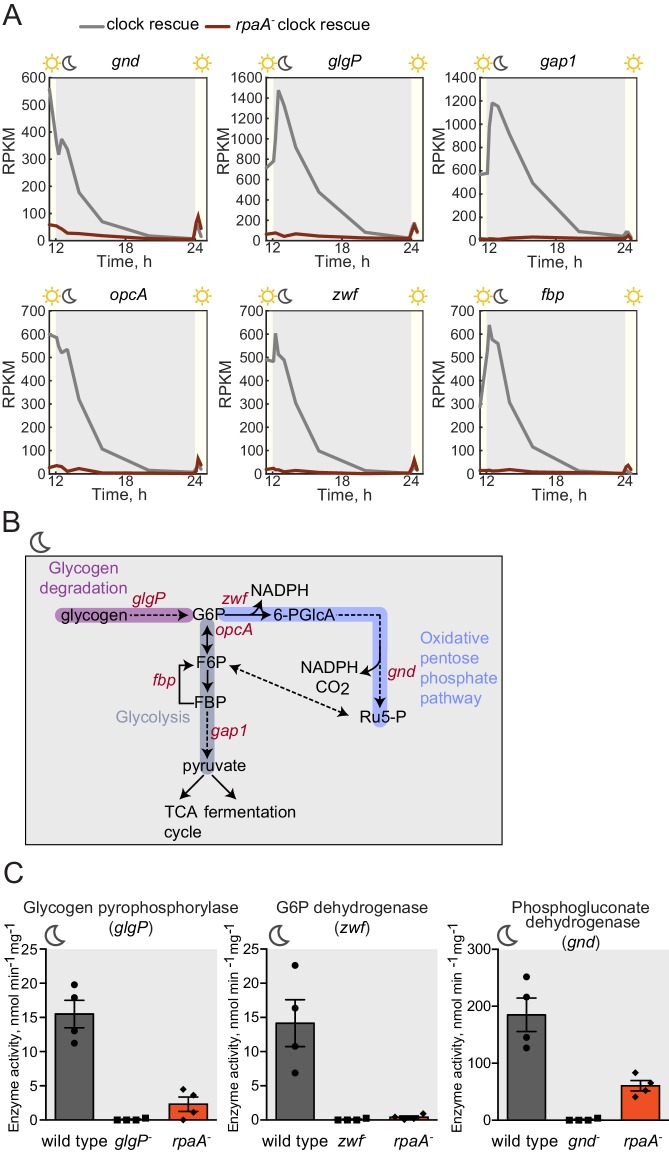
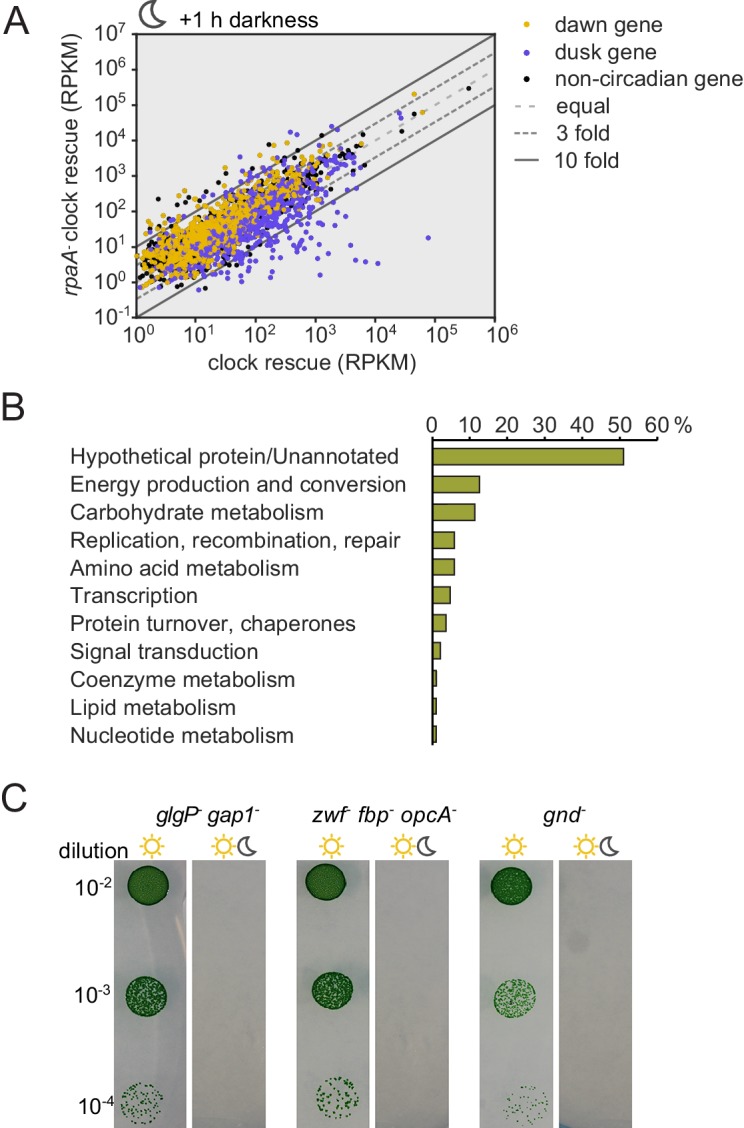
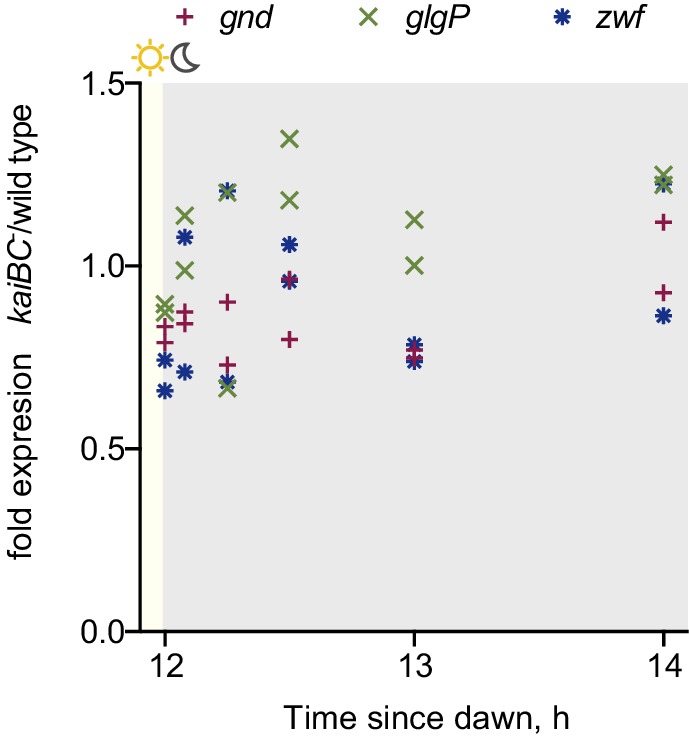
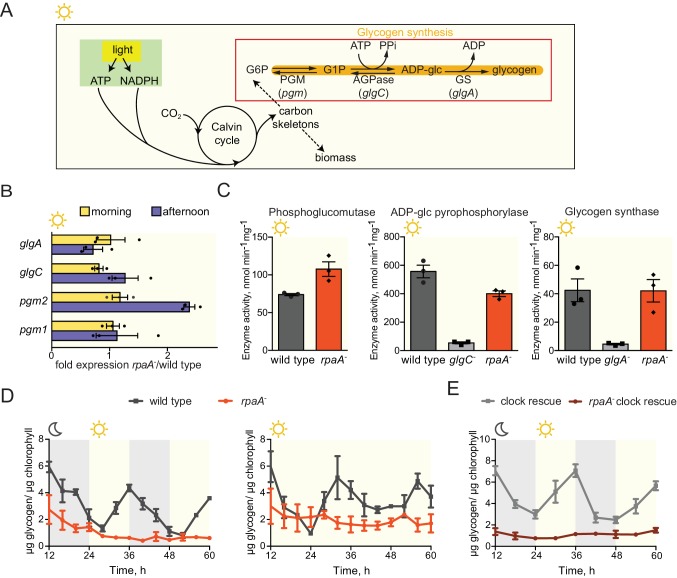
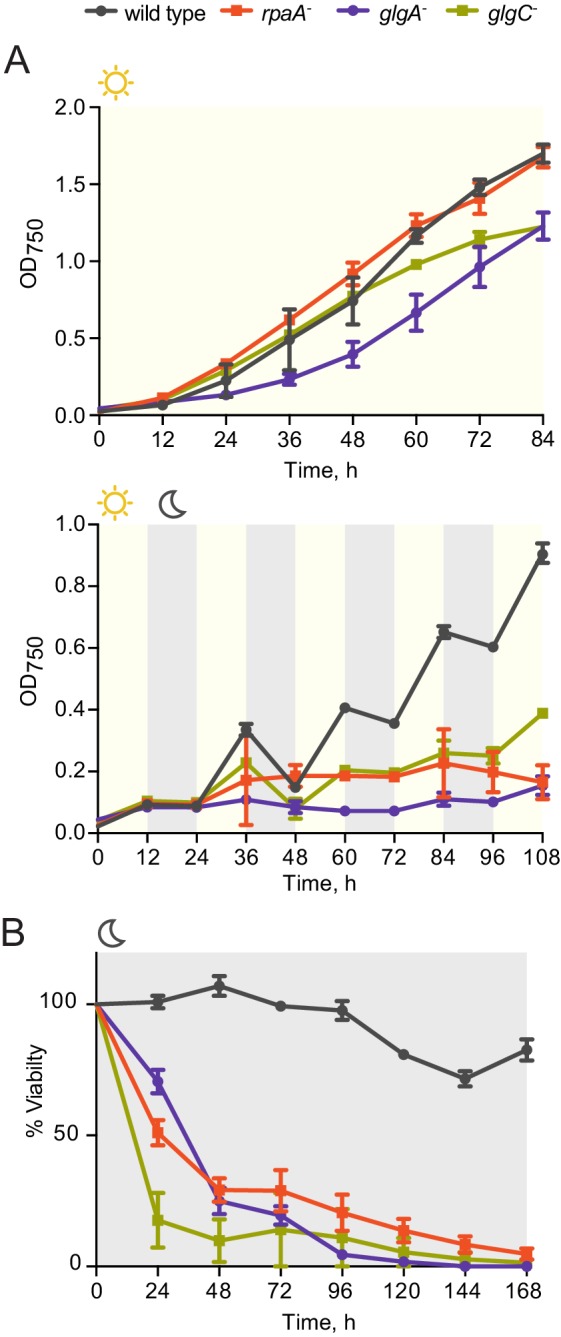
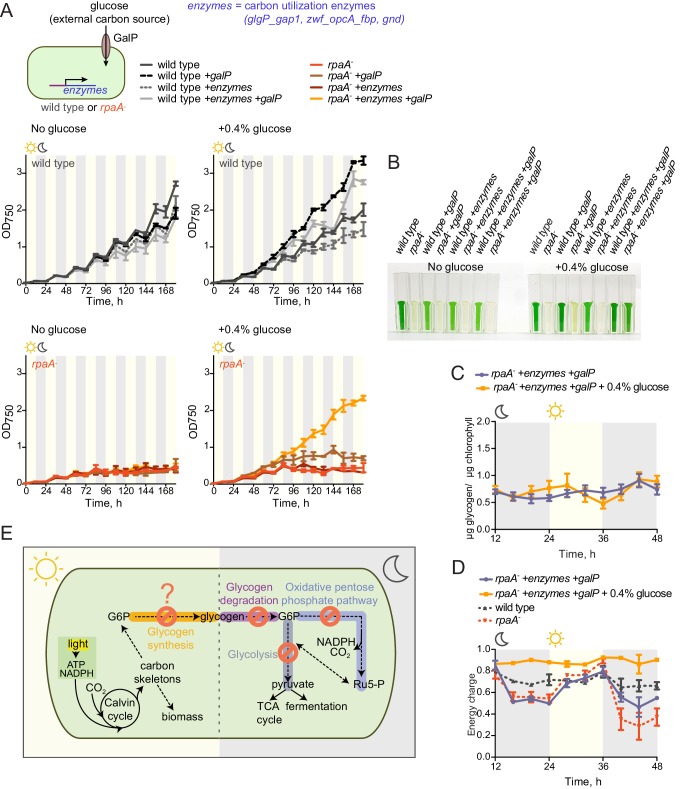
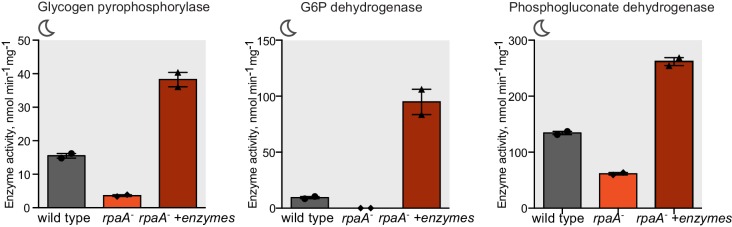
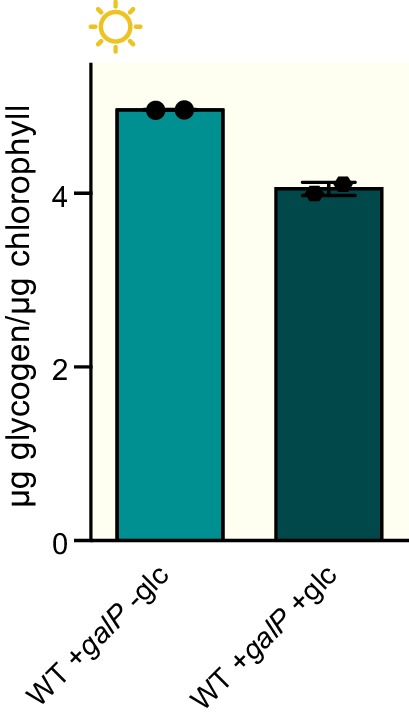
The transcription factor RpaA is the master regulator of circadian transcription in cyanobacteria, driving genome-wide oscillations in mRNA abundance. Deletion of rpaA has no effect on viability in constant light conditions, but renders cells inviable in cycling conditions when light and dark periods alternate. We investigated the mechanisms underlying this viability defect, and demonstrate that the rpaA- strain cannot maintain appropriate energy status at night, does not accumulate carbon reserves during the day, and is defective in transcription of genes crucial for utilization of carbohydrate stores at night. Reconstruction of carbon utilization pathways combined with provision of an external carbon source restores energy charge and viability of the rpaA- strain in light/dark cycling conditions. Our observations highlight how a circadian output pathway controls and temporally coordinates essential pathways in carbon metabolism to maximize fitness of cells facing periodic energy limitations.
Keywords: Synechococcus elongatus PCC7942; biochemistry; circadian rhythm; cyanobacteria; fitness; infectious disease; metabolism; microbiology.
Conflict of interest statement
EKO: Chief Scientific Officer and a Vice President at the Howard Hughes Medical Institute, one of the three founding funders of eLife.
The other author declares that no competing interests exist.
Figures
References
Publication types
MeSH terms
Substances
Grants and funding
LinkOut - more resources
Full Text Sources
Other Literature Sources
Molecular Biology Databases
Research Materials
