


Polluted Pathways: Mechanisms of Metabolic Disruption by Endocrine Disrupting Chemicals
- PMID: 28432637
- PMCID: PMC5921937
- DOI: 10.1007/s40572-017-0137-0
Polluted Pathways: Mechanisms of Metabolic Disruption by Endocrine Disrupting Chemicals
Abstract
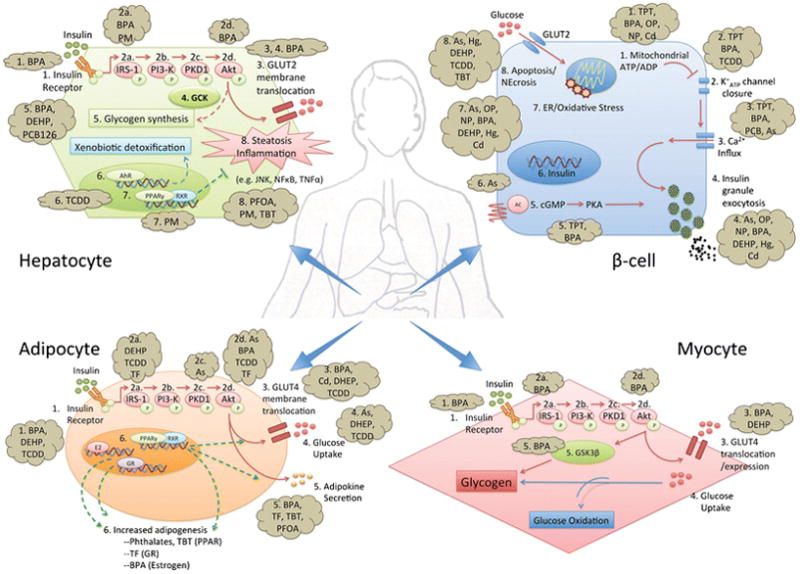
Purpose of review: Environmental toxicants are increasingly implicated in the global decline in metabolic health. Focusing on diabetes, herein, the molecular and cellular mechanisms by which metabolism disrupting chemicals (MDCs) impair energy homeostasis are discussed.
Recent findings: Emerging data implicate MDC perturbations in a variety of pathways as contributors to metabolic disease pathogenesis, with effects in diverse tissues regulating fuel utilization. Potentiation of traditional metabolic risk factors, such as caloric excess, and emerging threats to metabolism, such as disruptions in circadian rhythms, are important areas of current and future MDC research. Increasing evidence also implicates deleterious effects of MDCs on metabolic programming that occur during vulnerable developmental windows, such as in utero and early post-natal life as well as pregnancy. Recent insights into the mechanisms by which MDCs alter energy homeostasis will advance the field's ability to predict interactions with classical metabolic disease risk factors and empower studies utilizing targeted therapeutics to treat MDC-mediated diabetes.
Keywords: Diabetes; EDCs; Endocrine disruptor; Glucose intolerance; Insulin resistance; MDCs; Metabolic syndrome; Metabolism; Obesity.
Figures
References
-
- Damm P, Houshmand-Oeregaard A, Kelstrup L, Lauenborg J, Mathiesen ER, Clausen TD. Gestational diabetes mellitus and long-term consequences for mother and offspring: a view from Denmark. Diabetologia. 2016 Jul;59(7):1396–9. - PubMed
-
- Brown RE, Sharma AM, Ardern CI, Mirdamadi P, Mirdamadi P, Kuk JL. Secular differences in the association between caloric intake, macronutrient intake, and physical activity with obesity. Obesity Research & Clinical Practice. 2016 May;10(3):243–55. This study provides evidence that increasing rates of obesity are not accounted for by changes in diet or activity, supporting the need to pursue alternate etiologies. - PubMed
-
- Gore AC, Chappell VA, Fenton SE, Flaws JA, Nadal A, Prins GS, et al. EDC-2: The Endocrine Society's Second Scientific Statement on Endocrine-Disrupting Chemicals. Endocrine Reviews. 2015 Dec;36(6):E1–E150. Comprehensive review of endocrine disrupting chemicals across all organ systems. - PMC - PubMed
Publication types
MeSH terms
Substances
Grants and funding
LinkOut - more resources
Full Text Sources
Other Literature Sources
Research Materials
