


Functional Expression of P-glycoprotein and Organic Anion Transporting Polypeptides at the Blood-Brain Barrier: Understanding Transport Mechanisms for Improved CNS Drug Delivery?
- PMID: 28447295
- PMCID: PMC5505261
- DOI: 10.1208/s12248-017-0081-9
Functional Expression of P-glycoprotein and Organic Anion Transporting Polypeptides at the Blood-Brain Barrier: Understanding Transport Mechanisms for Improved CNS Drug Delivery?
Abstract
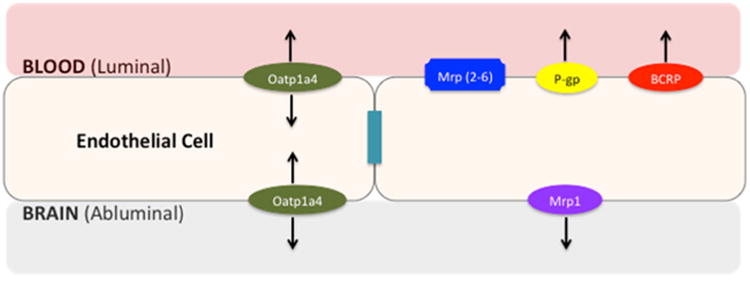
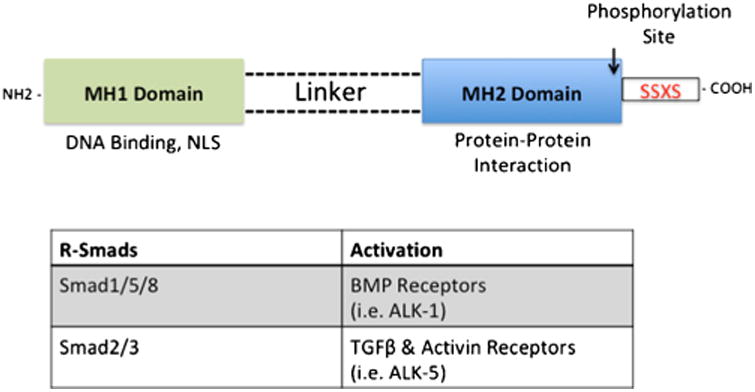
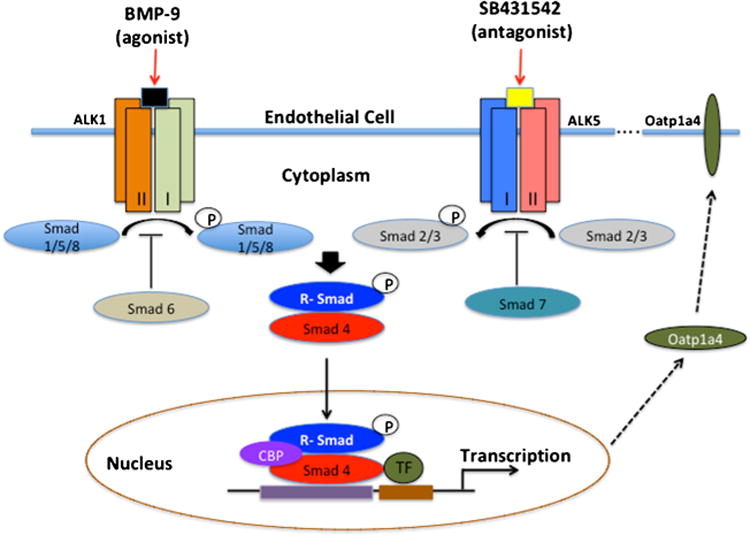
Drug delivery to the central nervous system (CNS) is greatly limited by the blood-brain barrier (BBB). Physical and biochemical properties of the BBB have rendered treatment of CNS diseases, including those with a hypoxia/reoxygenation (H/R) component, extremely difficult. Targeting endogenous BBB transporters from the ATP-binding cassette (ABC) superfamily (i.e., P-glycoprotein (P-gp)) or from the solute carrier (SLC) family (i.e., organic anion transporting polypeptides (OATPs in humans; Oatps in rodents)) has been suggested as a strategy that can improve delivery of drugs to the brain. With respect to P-gp, direct pharmacological inhibition using small molecules or selective regulation by targeting intracellular signaling pathways has been explored. These approaches have been largely unsuccessful due to toxicity issues and unpredictable pharmacokinetics. Therefore, our laboratory has proposed that optimization of CNS drug delivery, particularly for treatment of diseases with an H/R component, can be achieved by targeting Oatp isoforms at the BBB. As the major drug transporting Oatp isoform, Oatp1a4 has demonstrated blood-to-brain transport of substrate drugs with neuroprotective properties. Furthermore, our laboratory has shown that targeting Oatp1a4 regulation (i.e., TGF-β signaling mediated via the ALK-1 and ALK-5 transmembrane receptors) represents an opportunity to control Oatp1a4 functional expression for the purpose of delivering therapeutics to the CNS. In this review, we will discuss limitations of targeting P-gp-mediated transport activity and the advantages of targeting Oatp-mediated transport. Through this discussion, we will also provide critical information on novel approaches to improve CNS drug delivery by targeting endogenous uptake transporters expressed at the BBB.
Keywords: P-glycoprotein; blood-brain barrier; drug delivery; organic anion transporting polypeptides; transporters.
Figures
References
-
- Loscher W, Potschka H. Role of multidrug transporters in pharmacoresistance to antiepileptic drugs. J Pharmacol Exp Ther. 2002;30(1):7–14. - PubMed
-
- Potschka H. Modulating P-glycoprotein regulation: future perspective for pharmacoresistant epilepsies? Epilepsia. 2010;51(8):1333–47. - PubMed
-
- Palmeira A, Sousa E, Vasconcelos MH, Pinto MM. Three decades of P-gp inhibitors: skimming though several generations and scaffolds. Curr Med Chem. 2012;19(13):1946–2025. - PubMed
Publication types
MeSH terms
Substances
Grants and funding
LinkOut - more resources
Full Text Sources
Other Literature Sources
Research Materials
Miscellaneous
