


An efficient and robust MRI-guided radiotherapy planning approach for targeting abdominal organs and tumours in the mouse
- PMID: 28453537
- PMCID: PMC5409175
- DOI: 10.1371/journal.pone.0176693
An efficient and robust MRI-guided radiotherapy planning approach for targeting abdominal organs and tumours in the mouse
Abstract
Introduction: Preclinical CT-guided radiotherapy platforms are increasingly used but the CT images are characterized by poor soft tissue contrast. The aim of this study was to develop a robust and accurate method of MRI-guided radiotherapy (MR-IGRT) delivery to abdominal targets in the mouse.
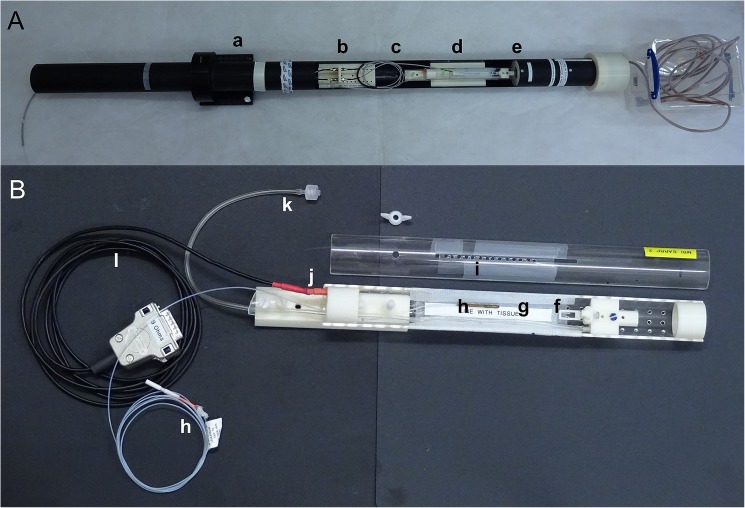
Methods: A multimodality cradle was developed for providing subject immobilisation and its performance was evaluated. Whilst CT was still used for dose calculations, target identification was based on MRI. Each step of the radiotherapy planning procedure was validated initially in vitro using BANG gel dosimeters. Subsequently, MR-IGRT of normal adrenal glands with a size-matched collimated beam was performed. Additionally, the SK-N-SH neuroblastoma xenograft model and the transgenic KPC model of pancreatic ductal adenocarcinoma were used to demonstrate the applicability of our methods for the accurate delivery of radiation to CT-invisible abdominal tumours.
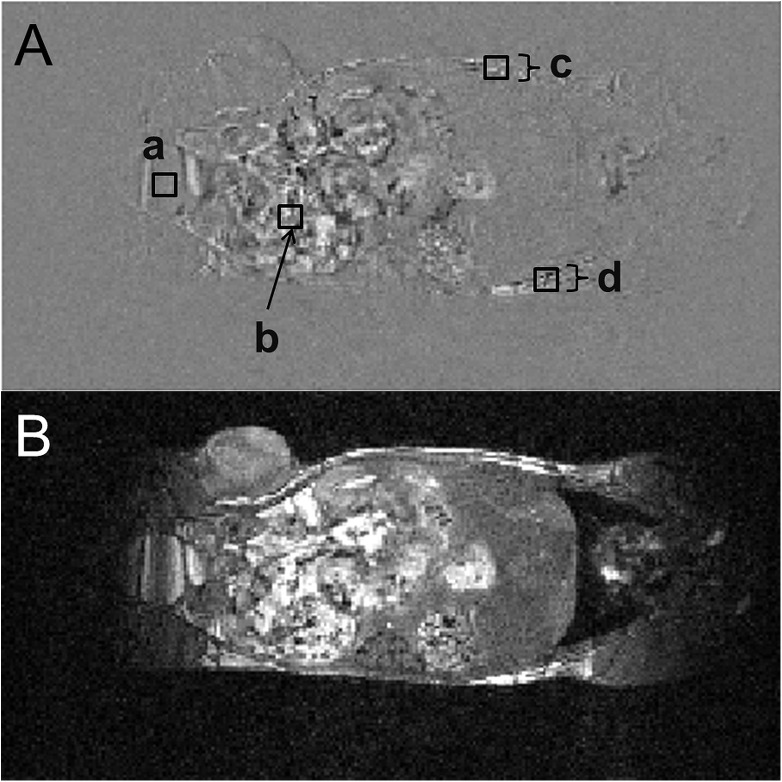
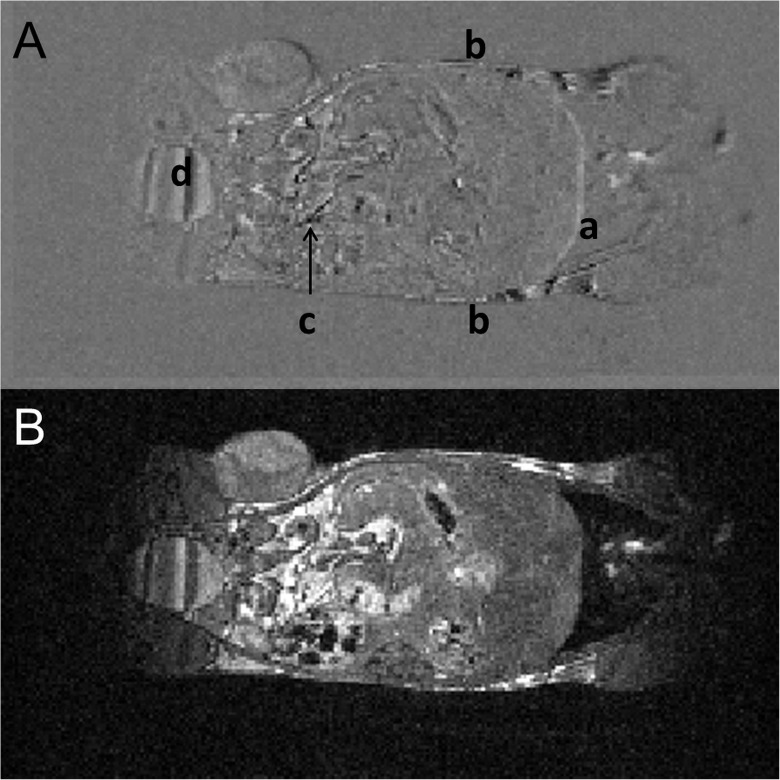
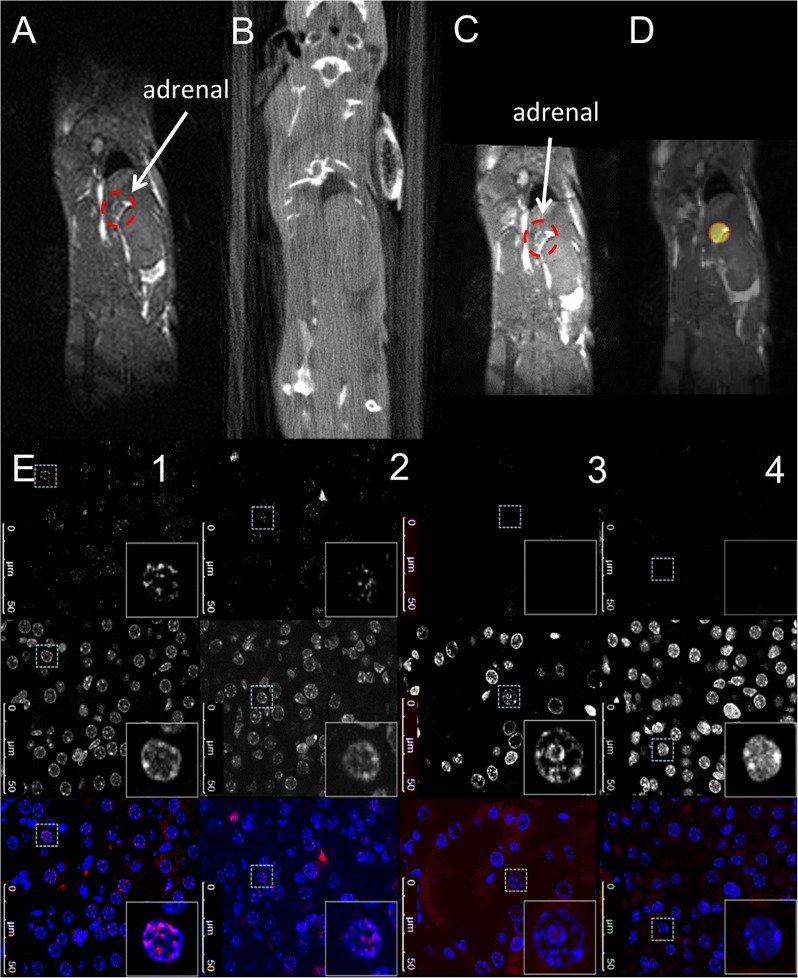
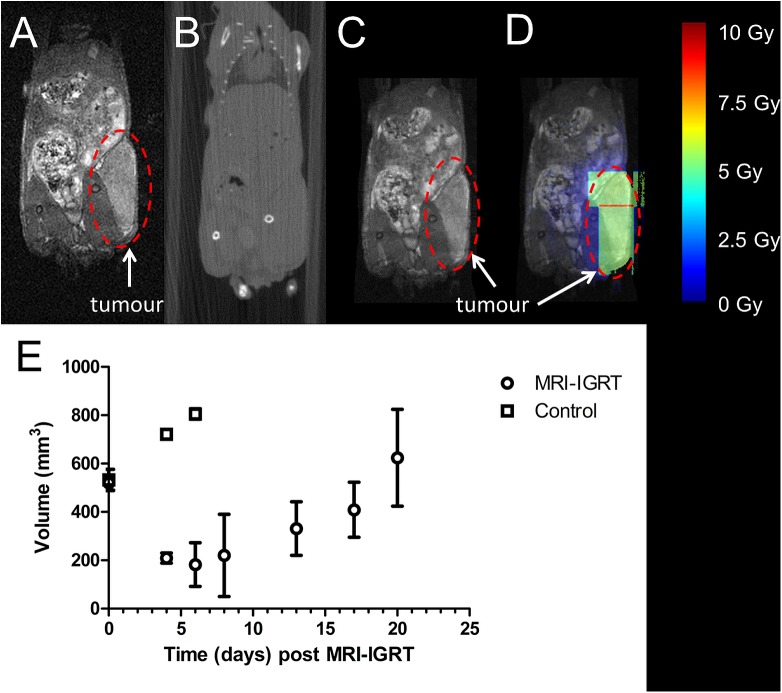
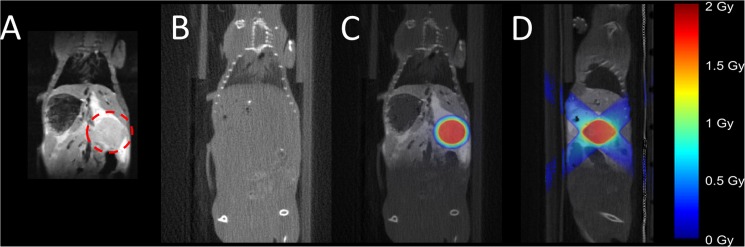
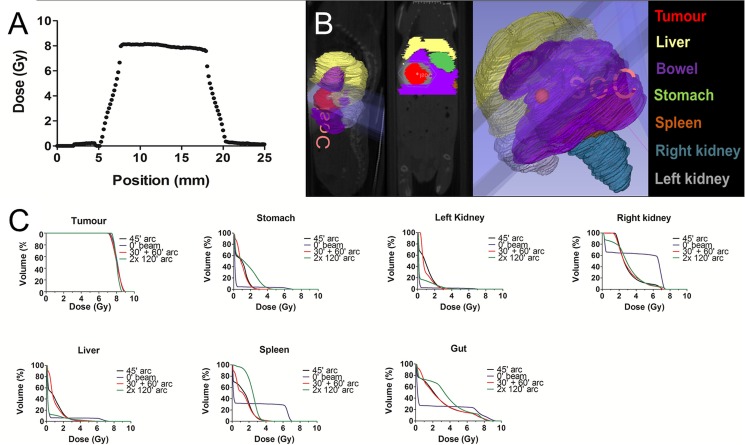
Results: The BANG gel phantoms demonstrated a targeting efficiency error of 0.56 ± 0.18 mm. The in vivo stability tests of body motion during MR-IGRT and the associated cradle transfer showed that the residual body movements are within this MR-IGRT targeting error. Accurate MR-IGRT of the normal adrenal glands with a size-matched collimated beam was confirmed by γH2AX staining. Regression in tumour volume was observed almost immediately post MR-IGRT in the neuroblastoma model, further demonstrating accuracy of x-ray delivery. Finally, MR-IGRT in the KPC model facilitated precise contouring and comparison of different treatment plans and radiotherapy dose distributions not only to the intra-abdominal tumour but also to the organs at risk.
Conclusion: This is, to our knowledge, the first study to demonstrate preclinical MR-IGRT in intra-abdominal organs. The proposed MR-IGRT method presents a state-of-the-art solution to enabling robust, accurate and efficient targeting of extracranial organs in the mouse and can operate with a sufficiently high throughput to allow fractionated treatments to be given.
Conflict of interest statement
Figures
References
-
- Tillner F, Thute P, Butof R, Krause M, Enghardt W. Pre-clinical research in small animals using radiotherapy technology—a bidirectional translational approach. Z Med Phys. 2014;24(4):335–51. doi: 10.1016/j.zemedi.2014.07.004 - DOI - PubMed
-
- Baumann BC, Benci JL, Santoiemma PP, Chandrasekaran S, Hollander AB, Kao GD, et al. An integrated method for reproducible and accurate image-guided stereotactic cranial irradiation of brain tumors using the small animal radiation research platform. Transl Oncol. 2012;5(4):230–7. PubMed Central PMCID: PMCPMC3431032. - PMC - PubMed
-
- Singh M, Murriel CL, Johnson L. Genetically engineered mouse models: closing the gap between preclinical data and trial outcomes. Cancer Res. 2012;72(11):2695–700. doi: 10.1158/0008-5472.CAN-11-2786 - DOI - PubMed
-
- Bibby MC. Orthotopic models of cancer for preclinical drug evaluation: advantages and disadvantages. Eur J Cancer. 2004;40(6):852–7. doi: 10.1016/j.ejca.2003.11.021 - DOI - PubMed
-
- Teicher BA. Tumor models for efficacy determination. Mol Cancer Ther. 2006;5(10):2435–43. doi: 10.1158/1535-7163.MCT-06-0391 - DOI - PubMed
Publication types
MeSH terms
Grants and funding
LinkOut - more resources
Full Text Sources
Other Literature Sources
Medical
Molecular Biology Databases
