Review
. 2017 Jun:46:38-44.
doi: 10.1016/j.coi.2017.04.003. Epub 2017 Apr 27.

Reenergizing T cell anti-tumor immunity by harnessing immunometabolic checkpoints and machineries

Affiliations
Review

Reenergizing T cell anti-tumor immunity by harnessing immunometabolic checkpoints and machineries

Ping-Chih Ho et al. Curr Opin Immunol. 2017 Jun.

Abstract

T cells patrol our bodies preventing pathogenic infections and malignant cell outgrowth. However, T cells must be properly controlled because aberrant or persistent T cell responses can damage tissues and contribute to autoimmune diseases and other chronic inflammatory diseases including metabolic syndrome. One regulatory mechanism utilized in immune cells is immunometabolic regulation, which ensures immune cells properly respond to systemic and peripheral metabolic cues. Recent work has suggested that deregulated metabolism in tumor cells creates a microenvironmental barrier for mounting effective anti-tumor immune responses. Here, we discuss how tumor cells evade immunosurveillance by modulating metabolic checkpoints in immune cells and discuss how memory T cells could provide effective anti-tumor responses by sustaining metabolic fitness and longevity.


Figures

Figure 1
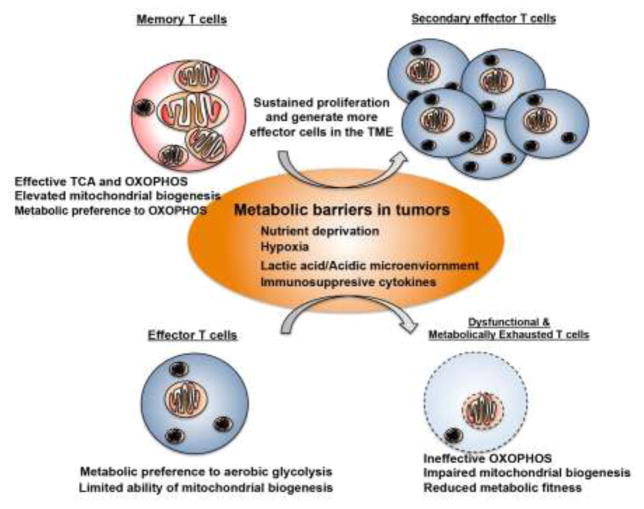
Figure 1. Mitochondria-mediated metabolic support in memory T cell anti-tumor immunity
The metabolic stresses in the tumor microenvironment, including nutrient deprivation, hypoxia, acidic environment and immunosuppressive cytokine milieu, suppress anti-tumor responses and metabolic fitness in effector T cells. These microenviornmental barriers could affect mitochondrial mass and activity that lead to impaired TCA cycle and changes in bioenergetic programm. However, memory T cells might maintain their anti-tumor immunity by resisting to these microenvironmental barriers or sustaining their mitochondrial mass and functions.

References

    1. Hanahan D, Weinberg RA. Hallmarks of cancer: the next generation. Cell. 2011;144:646–674. - PubMed
    1. Mellman I, Coukos G, Dranoff G. Cancer immunotherapy comes of age. Nature. 2011;480:480–489. - PMC - PubMed
    1. Klemm F, Joyce JA. Microenvironmental regulation of therapeutic response in cancer. Trends Cell Biol. 2015;25:198–213. - PMC - PubMed
    1. Baitsch L, Fuertes-Marraco SA, Legat A, Meyer C, Speiser DE. The three main stumbling blocks for anticancer T cells. Trends Immunol. 2012;33:364–372. - PubMed
    1. Baitsch L, Baumgaertner P, Devevre E, Raghav SK, Legat A, Barba L, Wieckowski S, Bouzourene H, Deplancke B, Romero P, et al. Exhaustion of tumor-specific CD8(+) T cells in metastases from melanoma patients. J Clin Invest. 2011;121:2350–2360. - PMC - PubMed