


Genome sequence of the highly weak-acid-tolerant Zygosaccharomyces bailii IST302, amenable to genetic manipulations and physiological studies
- PMID: 28460089
- PMCID: PMC5812536
- DOI: 10.1093/femsyr/fox025
Genome sequence of the highly weak-acid-tolerant Zygosaccharomyces bailii IST302, amenable to genetic manipulations and physiological studies
Abstract
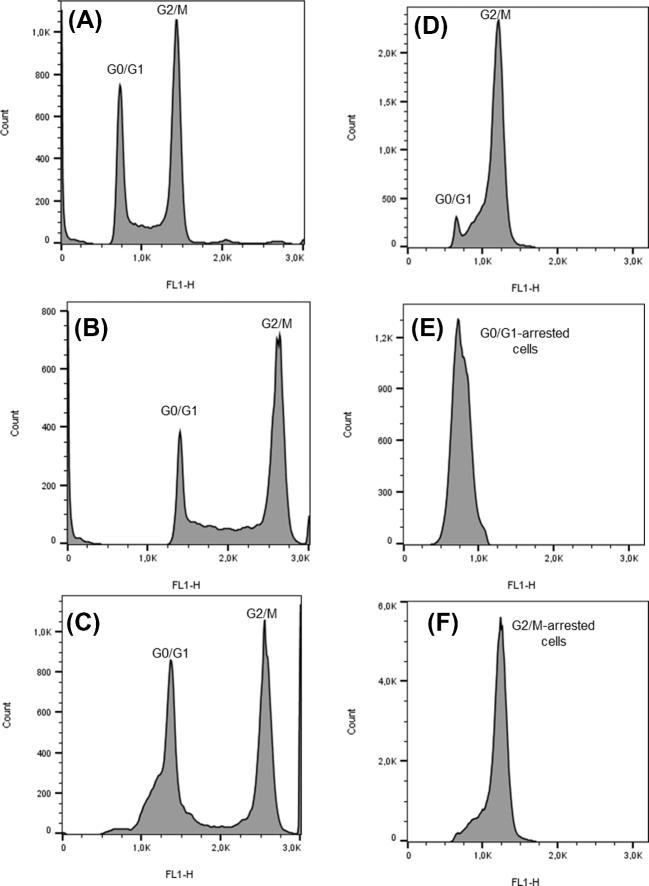
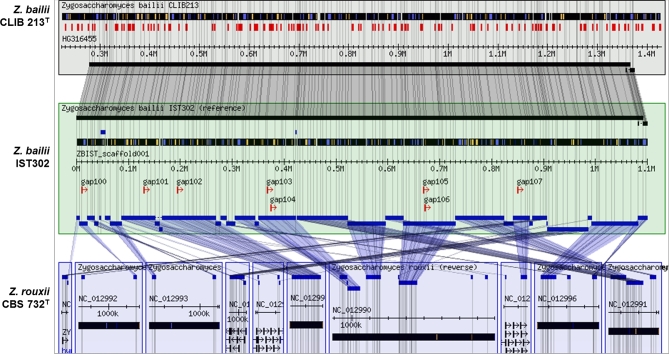
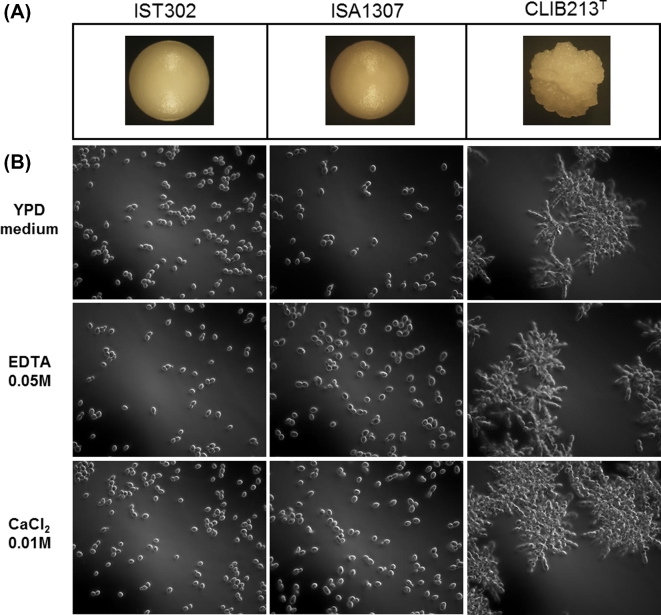
Zygosaccharomyces bailii is one of the most problematic spoilage yeast species found in the food and beverage industry particularly in acidic products, due to its exceptional resistance to weak acid stress. This article describes the annotation of the genome sequence of Z. bailii IST302, a strain recently proven to be amenable to genetic manipulations and physiological studies. The work was based on the annotated genomes of strain ISA1307, an interspecies hybrid between Z. bailii and a closely related species, and the Z. bailii reference strain CLIB 213T. The resulting genome sequence of Z. bailii IST302 is distributed through 105 scaffolds, comprising a total of 5142 genes and a size of 10.8 Mb. Contrasting with CLIB 213T, strain IST302 does not form cell aggregates, allowing its manipulation in the laboratory for genetic and physiological studies. Comparative cell cycle analysis with the haploid and diploid Saccharomyces cerevisiae strains BY4741 and BY4743, respectively, suggests that Z. bailii IST302 is haploid. This is an additional trait that makes this strain attractive for the functional analysis of non-essential genes envisaging the elucidation of mechanisms underlying its high tolerance to weak acid food preservatives, or the investigation and exploitation of the potential of this resilient yeast species as cell factory.
Keywords: Zygosaccharomyces bailii; cellular aggregation; food spoilage yeasts; genome sequence; weak acid tolerance.
© FEMS 2017.
Figures
References
-
- Alarco A-M, Balan I, Talibi D et al. AP1-mediated Multidrug Resistance in Saccharomyces cerevisiae requires FLR1 Encoding a transporter of the major facilitator superfamily. J Biol Chem 1997;272:19304–13. - PubMed
-
- Arneborg N, Jespersen L, Jakobsen M. Individual cells of Saccharomyces cerevisiae and Zygosaccharomyces bailii exhibit different short-term intracellular pH responses to acetic acid. Arch Microbiol 2000;174:125–8. - PubMed
-
- Branduardi P, Dato L, Porro D. Molecular tools and protocols for engineering the acid-tolerant yeast Zygosaccharomyces bailii as a potential cell factory. Methods Mol Biol 2014;1152:63–85. - PubMed
-
- Branduardi P, Valli M, Brambilla L et al. The yeast Zygosaccharomyces bailii: a new host for heterologous protein production, secretion and for metabolic engineering applications. FEMS Yeast Res 2004;4:493–504. - PubMed
Publication types
MeSH terms
LinkOut - more resources
Full Text Sources
Other Literature Sources
Molecular Biology Databases
Miscellaneous
