


Experiences, perspectives and priorities of people with schizophrenia spectrum disorders regarding sleep disturbance and its treatment: a qualitative study
- PMID: 28464848
- PMCID: PMC5414297
- DOI: 10.1186/s12888-017-1329-8
Experiences, perspectives and priorities of people with schizophrenia spectrum disorders regarding sleep disturbance and its treatment: a qualitative study
Abstract
Background: Sleep problems are very common in people with schizophrenia spectrum disorders, and impact negatively on functioning and wellbeing. Research regarding interventions to improve sleep in this population has been lacking. Little is known regarding these patient's perspectives on sleep problems and their treatment, providing very little foundation on which to develop acceptable and patient-centred treatments.
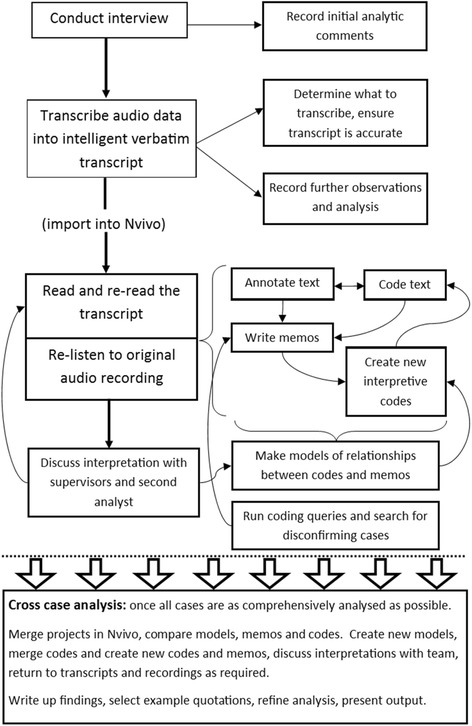
Methods: This study aims to explore perspectives and priorities of participants with schizophrenia spectrum disorders regarding sleep and sleep disturbance, and their perspectives on existing treatments. An Interpretive Phenomenological Analysis (IPA) study was conducted; data were gathered through in depth interviews with 15 people with schizophrenia spectrum disorders and varying degrees of self-reported sleep disturbance, each case was analysed individually before cross-case comparisons were made.
Results: Sleep maintenance and sleep quality were universally valued. Changes to sleep were interpreted as part of a perceived loss of normality relating to diagnosis. Participants differed in the extent of any hopes that sleep would improve. Sleep disturbances were linked to a reduced ability or opportunity to participate in valued activities, and were entangled with self-image due to a wish to be perceived as alert and in control. During difficult times, sleep could be seen as an escape. Concerns were expressed regarding the negative effects of using hypnotics or anti-psychotics to aid sleep, although typically antipsychotics were deemed more acceptable than hypnotics. Concerns regarding barriers to adherence and effectiveness of self-help approaches were common. Non-pharmacological interventions were noted to require a personalised whole-lifestyle approach.
Conclusions: This is the first study to explore sleep perspectives in participants with established schizophrenia spectrum disorders, recruited from a population receiving usual care. Findings re-enforce the importance of considering sleep within recovery focused practice. In developing and adapting interventions routine-based approaches should be considered. Approaches should attempt to make gradual changes more easily perceptible, should support motivation for behaviour change, and should consider the impact of regular psychotropic medications.
Keywords: Antipsychotic; Circadian rhythm disorder; Daytime functioning; Insomnia; Interpretive phenomenological analysis; Interview; Psychosis; Qualitative; Schizophrenia; Sleep.
References
-
- American Psychiatric Association. Diagnostic and statistical manual of mental disorders: DSM-5™. 5th ed. Arlington, VA: American Psychiatric Publishing, Inc. 2013.
-
- Davies G, Haddock G, Yung AR, Mulligan LD, Kyle SD. A systematic review of the nature and correlates of sleep disturbance in early psychosis. Sleep Med Rev. 2015 - PubMed
MeSH terms
Substances
LinkOut - more resources
Full Text Sources
Other Literature Sources
Medical
