


Surgical treatment for urinary incontinence after prostatectomy: A meta-analysis and systematic review
- PMID: 28467435
- PMCID: PMC5415174
- DOI: 10.1371/journal.pone.0130867
Surgical treatment for urinary incontinence after prostatectomy: A meta-analysis and systematic review
Abstract
Background: This meta-analysis was designed to assess the efficacy of the male sling and artificial urinary sphincter on treating post-prostatectomy incontinence by evaluating daily pad use, cure rate, frequency of improvement in incontinence, and quality of life.
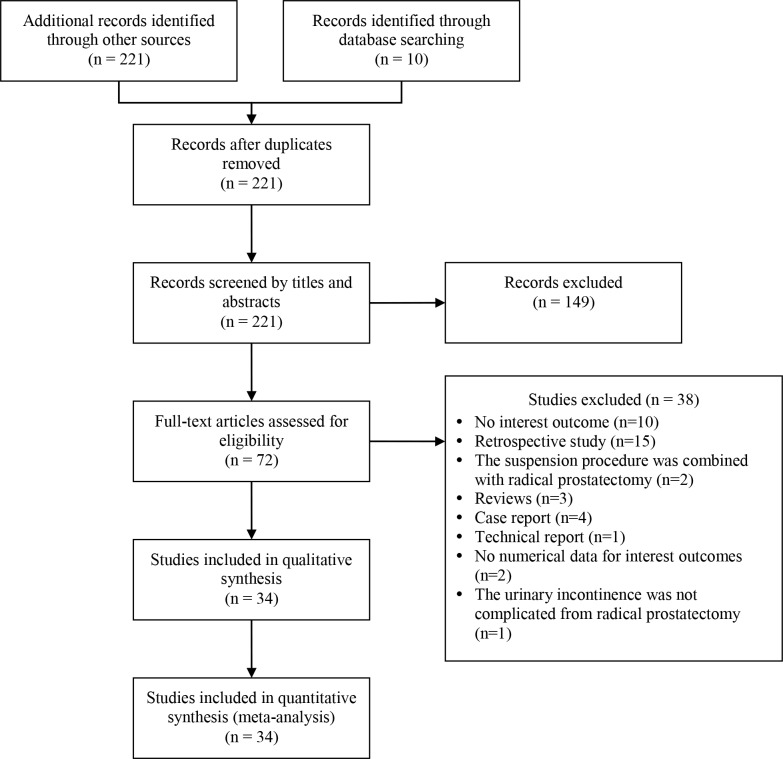
Methods: Medline, Cochrane, Google Scholar, and ClinicalTrials.gov were searched (until March 31, 2014) for studies that investigated the effectiveness of artificial urinary sphincter or sling surgical treatments for prostate cancer. The primary outcome was daily pad use before and after surgery and secondary outcomes were quality of life before and after surgery, and frequency of cures (no need to use of a pad for at least 1 day) and improvements (decreased pad usage) in incontinence after surgery.
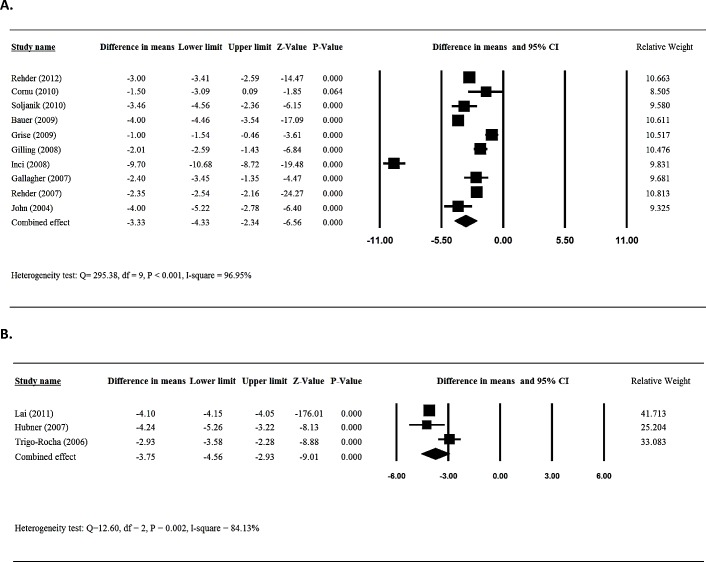
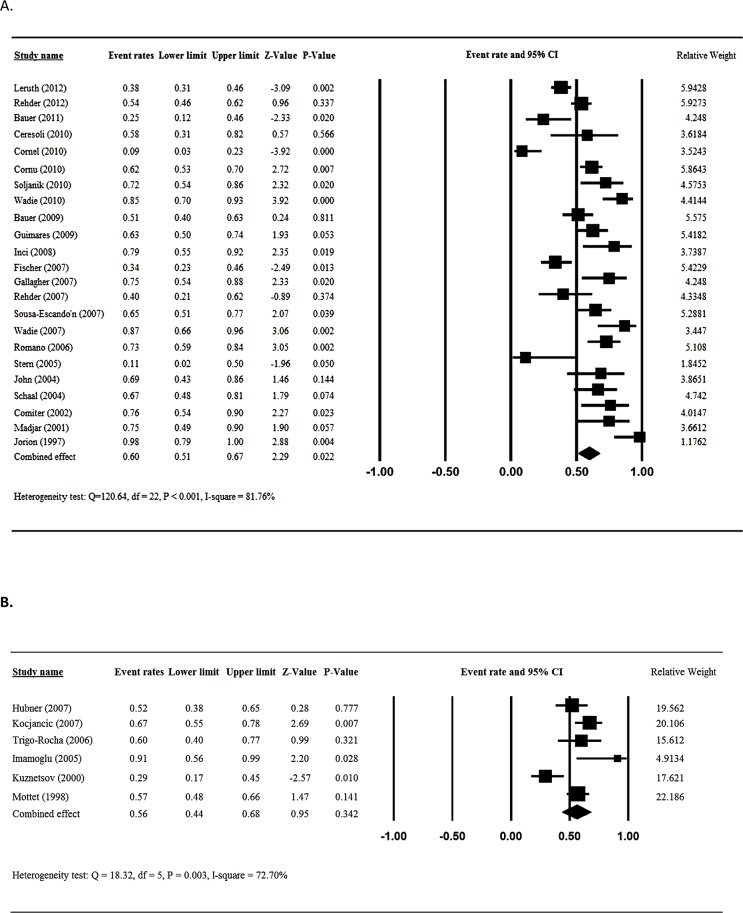
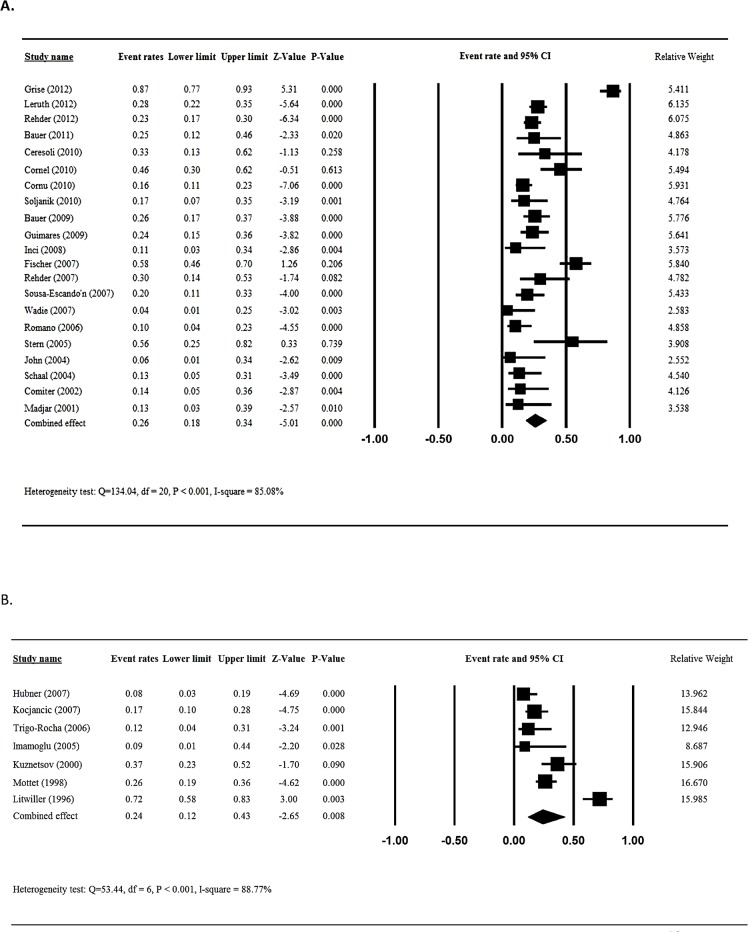
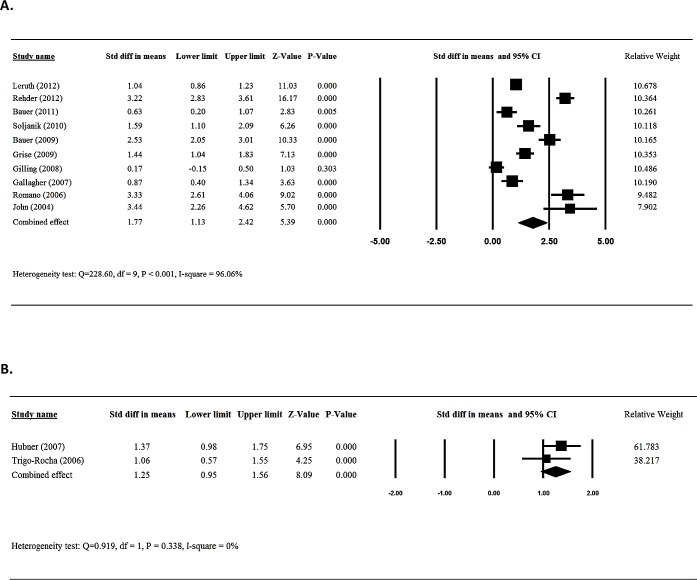
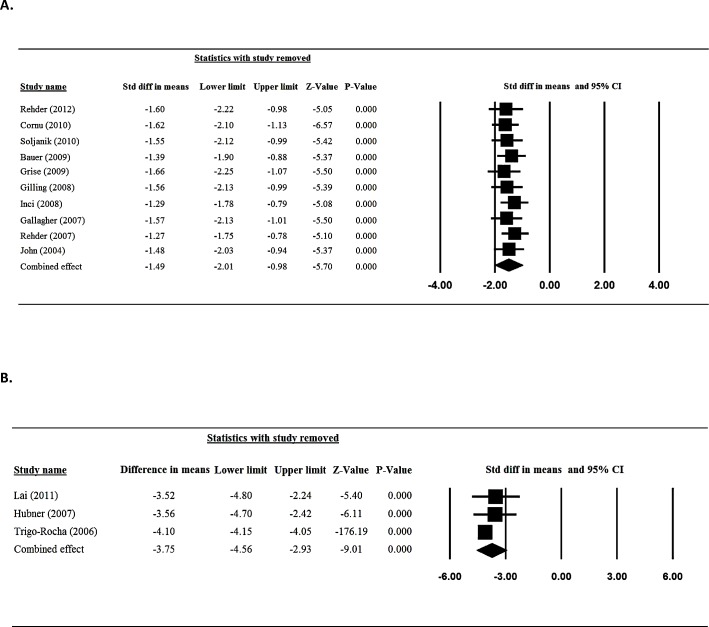
Results: We found that that both the sling and artificial urinary sphincter significantly decreased the number of pads used per day by about 3 (P-values <0.001) and increased the quality of life compared with before intervention (P-values < 0.001). In addition, the cure rate and was around 60%. Intervention resulted in improvement in incontinence by about 25% (P < 0.001).
Conclusion: Our findings indicate that both sling and artificial urinary sphincter interventions are effective in reducing incontinence and improving the patient's quality of life.
Conflict of interest statement
Figures
References
-
- Siegel R, Naishadham D, Jemal A. Cancer statistics, 2012. CA Cancer J Clin. 2012;62: 10– 29. doi: 10.3322/caac.20138 - DOI - PubMed
-
- Trost L, Elliott DS. Male stress urinary incontinence: a review of surgical treatment options and outcomes. Adv Urol. 2012;2012: 287489 doi: 10.1155/2012/287489 - DOI - PMC - PubMed
-
- Alivizatos G, Skolarikos A. Incontinence and erectile dysfunction following radical prostatectomy: a review. ScientificWorldJournal. 2005;5: 747–758. doi: 10.1100/tsw.2005.94 - DOI - PMC - PubMed
-
- Ficarra V, Novara G, Rosen RC, Artibani W, Carroll PR, Costello A, et al. Systematic review and meta-analysis of studies reporting urinary continence recovery after robot-assisted radical prostatectomy. Eur Urol. 2012;62: 405–417. doi: 10.1016/j.eururo.2012.05.045 - DOI - PubMed
-
- Adamakis I, Vasileiou I, Constantinides CA. The treatment of iatrogenic male incontinence: latest results and future perspectives. Rev Recent Clin Trials. 2013;8: 36–41. - PubMed
Publication types
MeSH terms
LinkOut - more resources
Full Text Sources
Other Literature Sources
Medical
