


Expression Profiling of Transcriptome and Its Associated Disease Risk in Yang Deficiency Constitution of Healthy Subjects
- PMID: 28484499
- PMCID: PMC5412168
- DOI: 10.1155/2016/1493098
Expression Profiling of Transcriptome and Its Associated Disease Risk in Yang Deficiency Constitution of Healthy Subjects
Retraction in
-
Retracted: Expression Profiling of Transcriptome and Its Associated Disease Risk in Yang Deficiency Constitution of Healthy Subjects.Evid Based Complement Alternat Med. 2017;2017:6258146. doi: 10.1155/2017/6258146. Epub 2017 Apr 9. Evid Based Complement Alternat Med. 2017. PMID: 28491109 Free PMC article.
Abstract
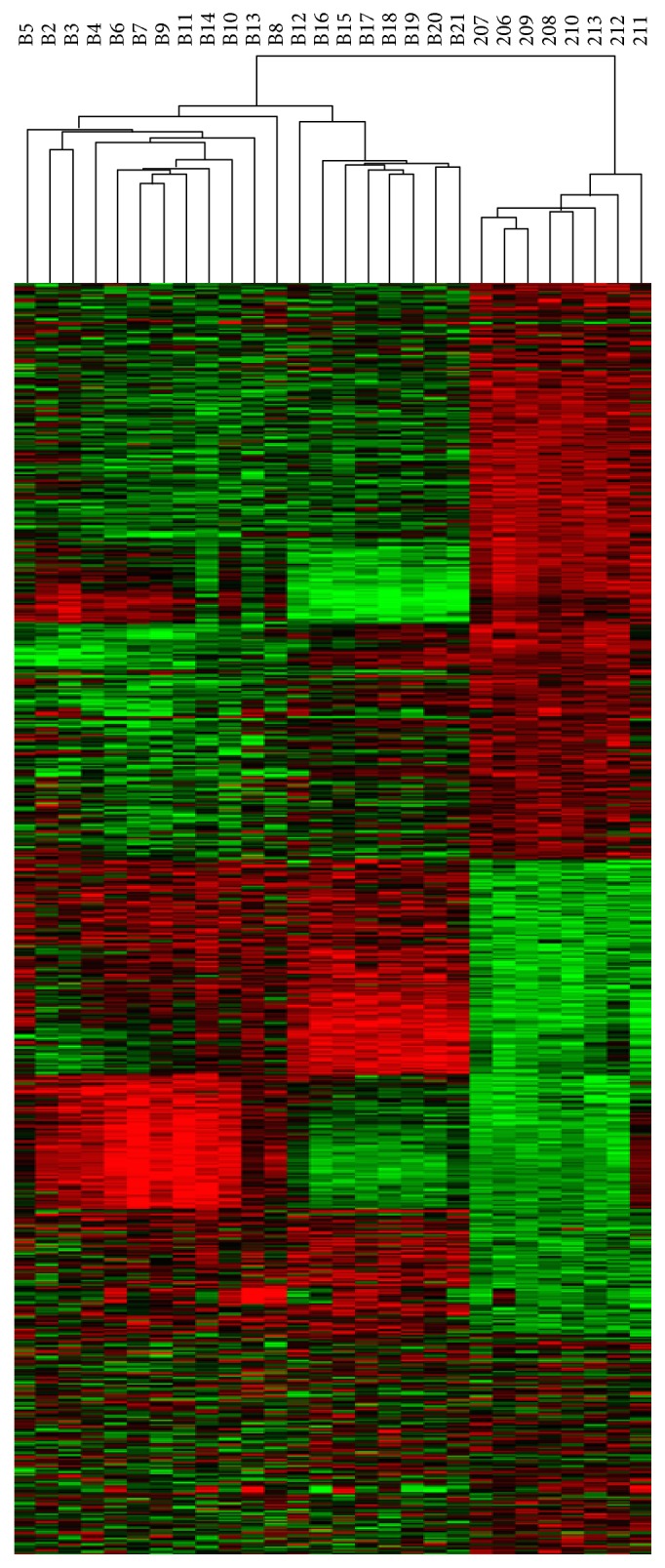
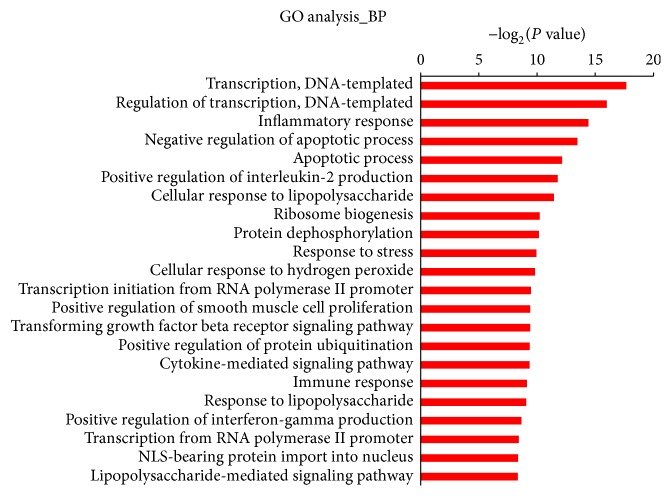
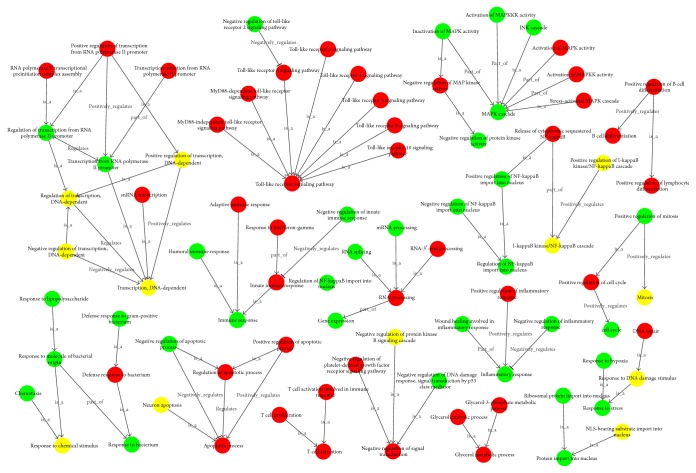
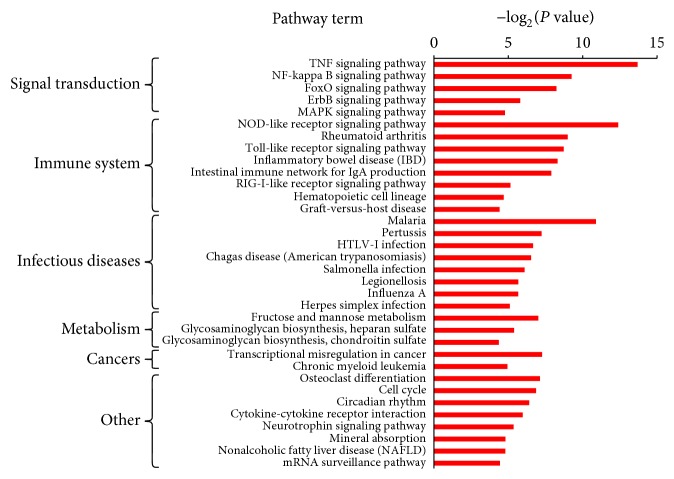
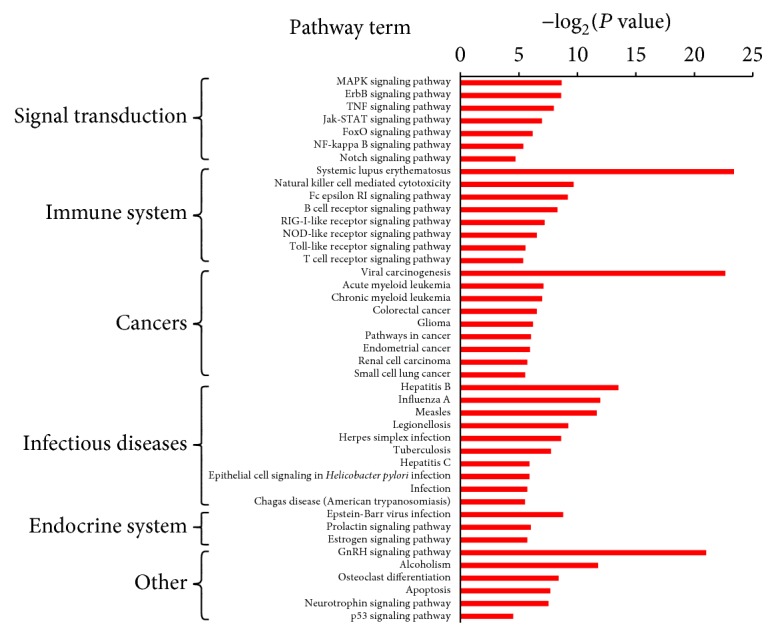
Objectives. Differences among healthy subjects and associated disease risks are of substantial interest in clinical medicine. According to the theory of "constitution-disease correlation" in traditional Chinese medicine, we try to find out if there is any connection between intolerance of cold in Yang deficiency constitution and molecular evidence and if there is any gene expression basis in specific disorders. Methods. Peripheral blood mononuclear cells were collected from Chinese Han individuals with Yang deficiency constitution (n = 20) and balanced constitution (n = 8) (aged 18-28) and global gene expression profiles were determined between them using the Affymetrix HG-U133 Plus 2.0 array. Results. The results showed that when the fold change was ≥1.2 and q ≤ 0.05, 909 genes were upregulated in the Yang deficiency constitution, while 1189 genes were downregulated. According to our research differential genes found in Yang deficiency constitution were usually related to lower immunity, metabolic disorders, and cancer tendency. Conclusion. Gene expression disturbance exists in Yang deficiency constitution, which corresponds to the concept of constitution and gene classification. It also suggests people with Yang deficiency constitution are susceptible to autoimmune diseases, enteritis, arthritis, metabolism disorders, and cancer, which provides molecular evidence for the theory of "constitution-disease correlation."
Conflict of interest statement
The authors declare that they have no conflict of interests to disclose.
Figures

References
-
- Qi W., Zhu Y. Chinese constitution epidemiological investigation of TCM in the general population—based on 21948 cases of 9 provinces epidemiological data. Journal of Chinese medicine. 2009;1:7–12.
-
- Yao S., Wang Q. Yang deficiency constitution causes analysis. Chinese Journal of Traditional Chinese Medicine. 2008;6:405–407.
-
- Wang Q. 9 Types of basic TCM constitution expression based on classification and diagnosis. Journal of Beijing University of Chinese Medicine. 2005;4:1–8.
Publication types
LinkOut - more resources
Full Text Sources
Other Literature Sources
