


Behavioral and Biochemical Impact of Chronic Unpredictable Mild Stress on the Acquisition of Nicotine Conditioned Place Preference in Rats
- PMID: 28484990
- PMCID: PMC5842504
- DOI: 10.1007/s12035-017-0585-4
Behavioral and Biochemical Impact of Chronic Unpredictable Mild Stress on the Acquisition of Nicotine Conditioned Place Preference in Rats
Abstract
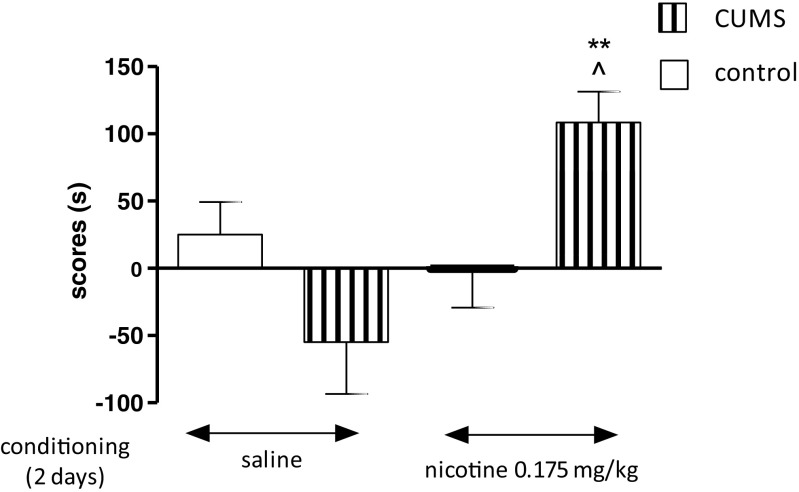
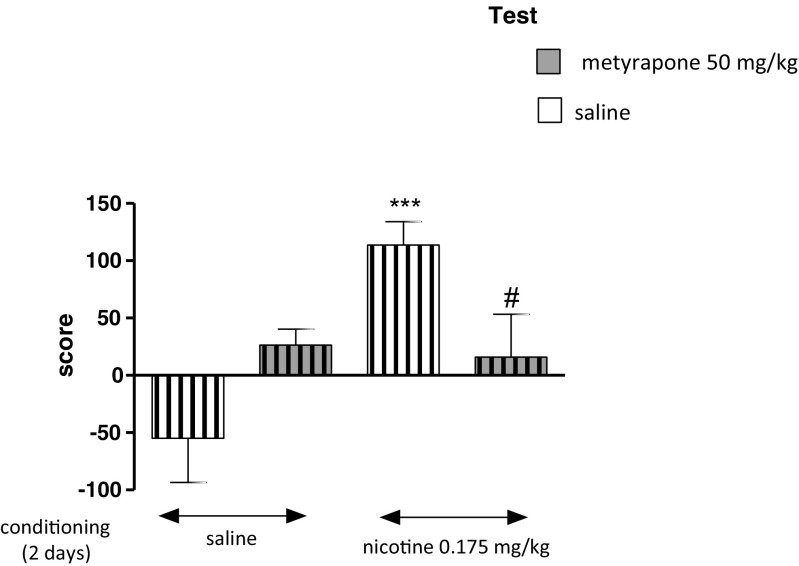
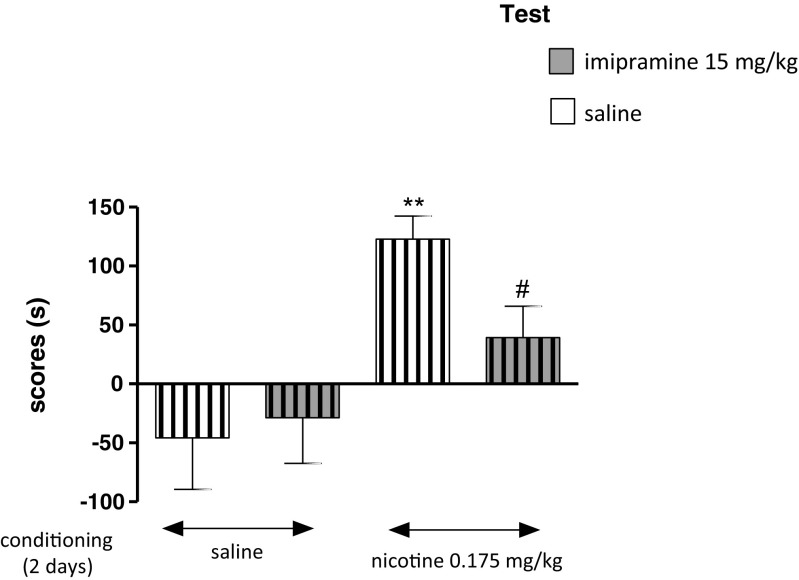
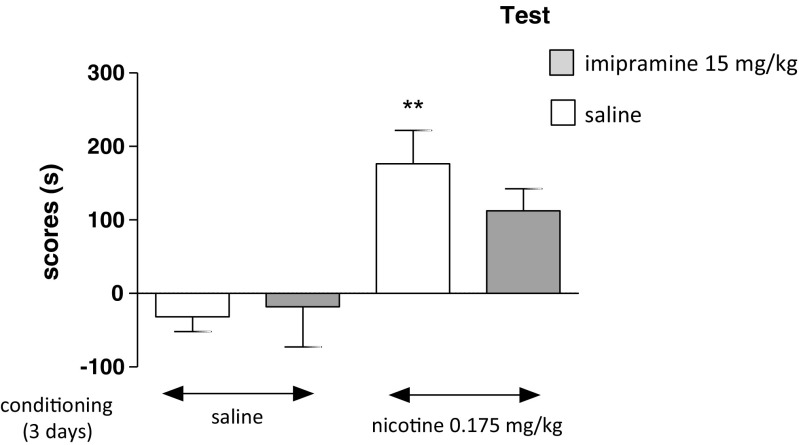
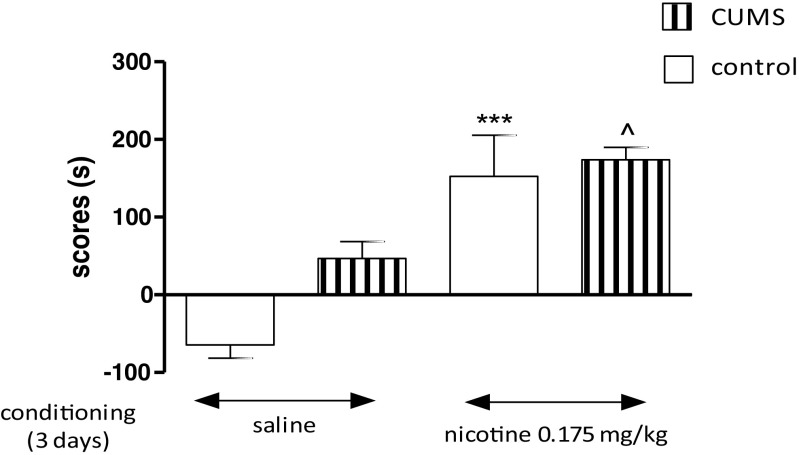
Addiction is a chronic psychiatric disease which represents a global problem, and stress can increase drug addiction and relapse. Taking into account frequent concomitance of nicotine dependence and stress, the purpose of the present study was to assess behavioral and biochemical effects of chronic unpredictable mild stress (CUMS) exposure on nicotine reward in rats measured in the conditioned place preference (CPP) paradigm. Rats were submitted to the CUMS for 3 weeks and conditioned with nicotine (0.175 mg/kg) for 2 or 3 days. Our results revealed that only CUMS-exposed animals exhibited the CPP after 2 days of conditioning indicating that stressed rats were more sensitive to the rewarding properties of nicotine and that chronic stress exacerbates nicotine preference. Administration of metyrapone (50 mg/kg), a glucocorticosteroid antagonist, and imipramine (15 mg/kg), an antidepressant, abolished nicotine CPP in stressed rats after 2 days of conditioning. The biochemical experiments showed increased markers of oxidative stress after nicotine conditioning for 2 and 3 days, while the CUMS further potentiated pro-oxidative effects of nicotine. Moreover, metyrapone reversed oxidative changes caused by stress and nicotine, while imipramine was not able to overwhelm nicotine- and stress-induced oxidative damages; however, it could exert antioxidant effect if administered repeatedly. The results suggest that recent exposure to a stressor may augment the rewarding effects of nicotine through anhedonia- and stress-related mechanisms. Our study contributes to the understanding of behavioral and biochemical stress-induced modification of the rewarding effects of nicotine on the basis of the development of nicotine dependence.
Keywords: Chronic mild stress; Conditioned place preference; Nicotine; Oxidative stress; Rats.
Conflict of interest statement
Conflict of Interest
The authors declare that they have no conflict of interest.
Research Involving Animals
All experiments were conducted according to the National Institute of Health Guidelines for the Care and Use of Laboratory Animals and to the European Community Council Directive for the Care and Use of Laboratory Animals of 24 November 1986 (86/609/EEC). The protocol was approved by the Committee on the Ethics of Animal Experiments of the Medical University of Lublin (Permit Number: 43/2013). All efforts were made to minimize animal suffering and to reduce the number of animals used.
Funding
This work was supported by the Statutory Funds of the Medical University of Lublin (DS 23) and received no special grant from any funding agency in the public, commercial, or not-for-profit sectors. The funders had no role in study design, data collection and analysis, decision to publish, or preparation of the manuscript.
Figures
References
-
- Goeders NE. The impact of stress on addiction. Eur Neuropsychopharmacol. 2003;13:435–441. - PubMed
-
- Grakalic I, Schindler CW, Baumann MH, Rice KC, Riley AL. Effects of stress modulation on morphine-induced conditioned place preferences and plasma corticosterone levels in Fischer, Lewis, and Sprague–Dawley rat strains. Psychopharmacology. 2006;189:277–286. - PubMed
MeSH terms
Substances
LinkOut - more resources
Full Text Sources
Other Literature Sources
Medical
