


Open sharing of genomic data: Who does it and why?
- PMID: 28486511
- PMCID: PMC5423632
- DOI: 10.1371/journal.pone.0177158
Open sharing of genomic data: Who does it and why?
Abstract
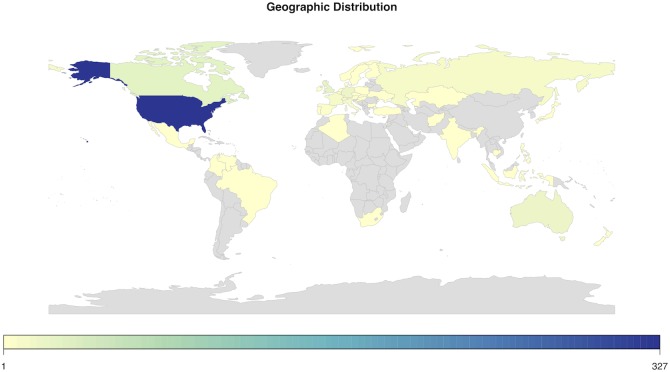
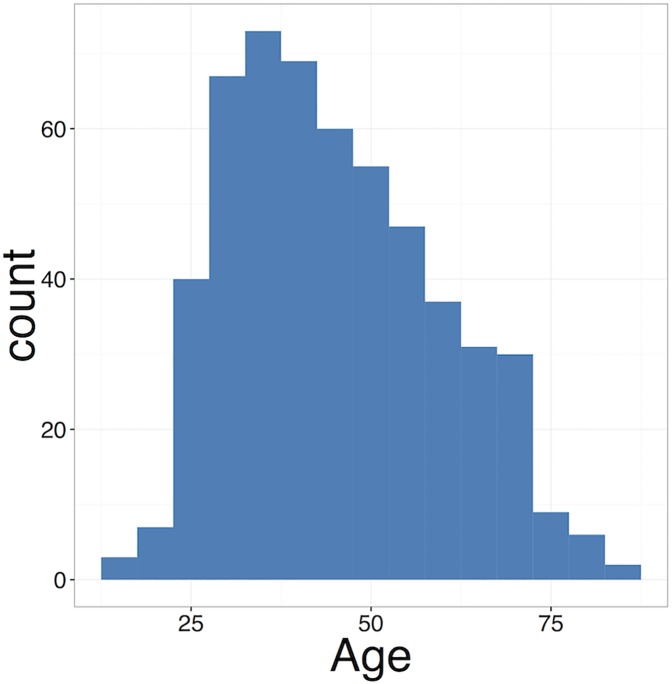
We explored the characteristics and motivations of people who, having obtained their genetic or genomic data from Direct-To-Consumer genetic testing (DTC-GT) companies, voluntarily decide to share them on the publicly accessible web platform openSNP. The study is the first attempt to describe open data sharing activities undertaken by individuals without institutional oversight. In the paper we provide a detailed overview of the distribution of the demographic characteristics and motivations of people engaged in genetic or genomic open data sharing. The geographical distribution of the respondents showed the USA as dominant. There was no significant gender divide, the age distribution was broad, educational background varied and respondents with and without children were equally represented. Health, even though prominent, was not the respondents' primary or only motivation to be tested. As to their motivations to openly share their data, 86.05% indicated wanting to learn about themselves as relevant, followed by contributing to the advancement of medical research (80.30%), improving the predictability of genetic testing (76.02%) and considering it fun to explore genotype and phenotype data (75.51%). Whereas most respondents were well aware of the privacy risks of their involvement in open genetic data sharing and considered the possibility of direct, personal repercussions troubling, they estimated the risk of this happening to be negligible. Our findings highlight the diversity of DTC-GT consumers who decide to openly share their data. Instead of focusing exclusively on health-related aspects of genetic testing and data sharing, our study emphasizes the importance of taking into account benefits and risks that stretch beyond the health spectrum. Our results thus lend further support to the call for a broader and multi-faceted conceptualization of genomic utility.
Conflict of interest statement
Figures
References
-
- Lewin JH, Vis DJ, Voest EE, Liao R, Nederlof PM, Conley BA, et al. Determining barriers to effective data sharing in cancer genomic sequencing initiatives: a global alliance for genomics and health (GA4GH) survey. Journal of Clinical Oncology. 2016;34(No 15_suppl):11502.
-
- Auffray C, Balling R, Barroso I, Bencze L, Benson M, Bergeron J, et al. Making sense of big data in health research: towards an EU action plan. Genome Medicine. 2016;8(1):71 doi: 10.1186/s13073-016-0323-y - DOI - PMC - PubMed
-
- The Global Alliance for Genomics and Health. A federated ecosystem for sharing genomic, clinical data. Science. 2016,352(6291):1278–80. doi: 10.1126/science.aaf6162 - DOI - PubMed
-
- Rothstein MA, Knoppers BM, Harrell HL. Comparative approaches to biobanks and privacy. Journal of Law, Medicine & Ethics. 2016;44(1):161–72. - PubMed
-
- Lapin V, Mighion L, da Silva C, Cuperus Y, Bean LJ, Hegde MR. Regulating whole exome sequencing as a diagnostic test. Human Genetics. 2016;135(6):655–73. doi: 10.1007/s00439-016-1677-3 - DOI - PubMed
MeSH terms
LinkOut - more resources
Full Text Sources
Other Literature Sources
Research Materials
Miscellaneous
