


Apathy and impulsivity in frontotemporal lobar degeneration syndromes
- PMID: 28486594
- PMCID: PMC5868210
- DOI: 10.1093/brain/awx101
Apathy and impulsivity in frontotemporal lobar degeneration syndromes
Abstract
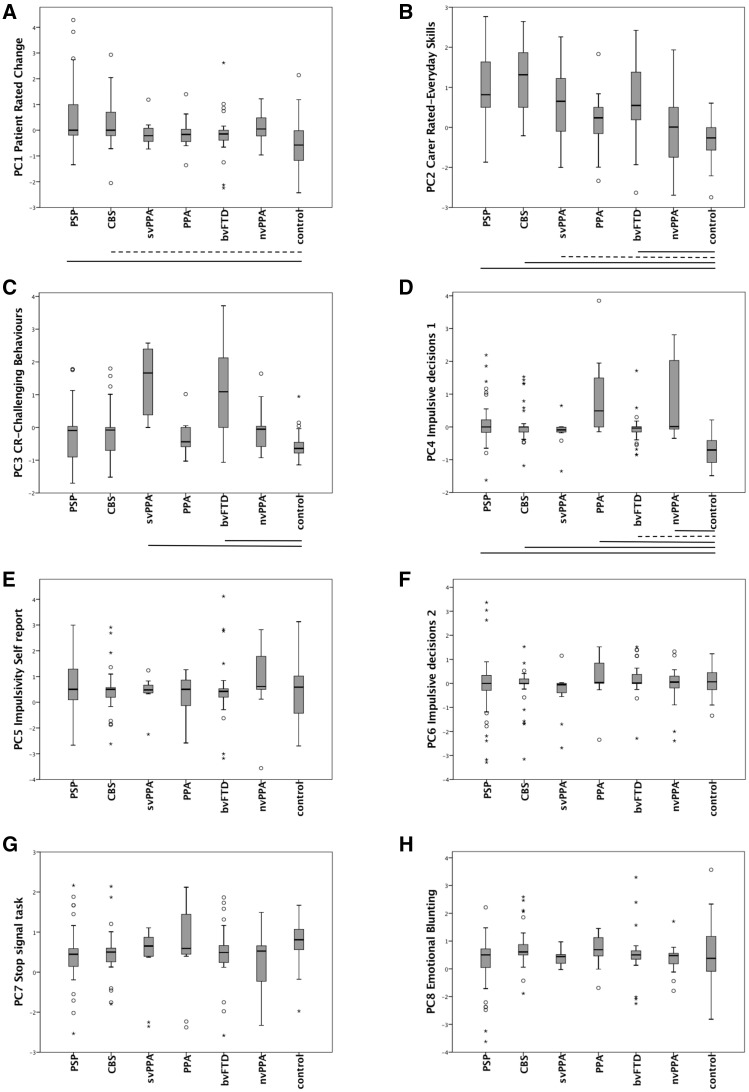
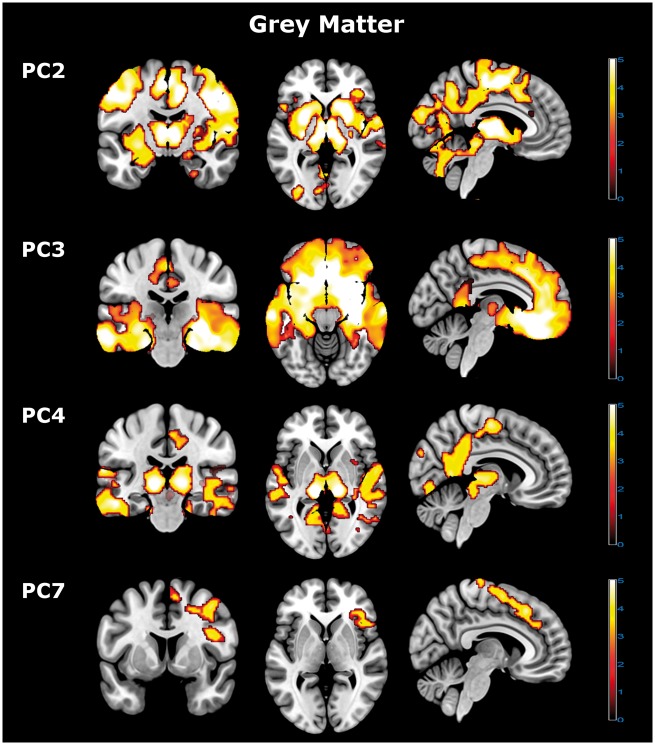
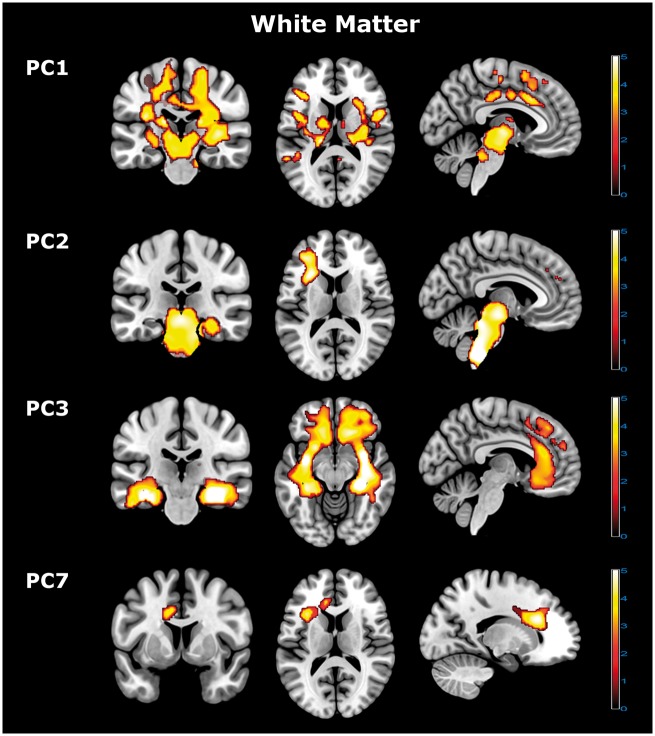
Apathy and impulsivity are common and disabling consequences of frontotemporal lobar degeneration. They cause substantial carer distress, but their aetiology remains elusive. There are critical limitations to previous studies in this area including (i) the assessment of either apathy or impulsivity alone, despite their frequent co-existence; (ii) the assessment of behavioural changes within single diagnostic groups; and (iii) the use of limited sets of tasks or questions that relate to just one aspect of these multifactorial constructs. We proposed an alternative, dimensional approach that spans behavioural and language variants of frontotemporal dementia, progressive supranuclear palsy and corticobasal syndrome. This accommodates the commonalities of apathy and impulsivity across disorders and reveals their cognitive and anatomical bases. The ability to measure the components of apathy and impulsivity and their associated neural correlates across diagnostic groups would provide better novel targets for pharmacological manipulations, and facilitate new treatment strategies and strengthen translational models. We therefore sought to determine the neurocognitive components of apathy and impulsivity in frontotemporal lobar degeneration syndromes. The frequency and characteristics of apathy and impulsivity were determined by neuropsychological and behavioural assessments in 149 patients and 50 controls from the PIck's disease and Progressive supranuclear palsy Prevalence and INcidence study (PiPPIN). We derived dimensions of apathy and impulsivity using principal component analysis and employed these in volumetric analyses of grey and white matter in a subset of 70 patients (progressive supranuclear palsy, n = 22; corticobasal syndrome, n = 13; behavioural variant, n = 14; primary progressive aphasias, n = 21) and 27 control subjects. Apathy and impulsivity were present across diagnostic groups, despite being criteria for behavioural variant frontotemporal dementia alone. Measures of apathy and impulsivity frequently loaded onto the same components reflecting their overlapping relationship. However, measures from objective tasks, patient-rated questionnaires and carer-rated questionnaires loaded onto separate components and revealed distinct neurobiology. Corticospinal tracts correlated with patients' self-ratings. In contrast, carer ratings correlated with atrophy in established networks for goal-directed behaviour, social cognition, motor control and vegetative functions, including frontostriatal circuits, orbital and temporal polar cortex, and the brainstem. Components reflecting response inhibition deficits correlated with focal frontal cortical atrophy. The dimensional approach to complex behavioural changes arising from frontotemporal lobar degeneration provides new insights into apathy and impulsivity, and the need for a joint therapeutic strategy against them. The separation of objective tests from subjective questionnaires, and patient from carer ratings, has important implications for clinical trial design.awx101media15448041163001.
Keywords: apathy; frontotemporal lobar degeneration; impulsivity; principal component analysis; voxel based morphometry.
© The Author (2017). Published by Oxford University Press on behalf of the Guarantors of Brain.
Figures
References
-
- Amodio DM, Master SL, Yee CM, Taylor SE. Neurocognitive components of the behavioural inhibition and activation systems: implications for theories of self-regulation. Psychophysiology 2008; 45: 11–19. - PubMed
MeSH terms
Grants and funding
LinkOut - more resources
Full Text Sources
Other Literature Sources
