


Comparison of the vaginal environment in rhesus and cynomolgus macaques pre- and post-lactobacillus colonization
- PMID: 28488364
- PMCID: PMC5597444
- DOI: 10.1111/jmp.12264
Comparison of the vaginal environment in rhesus and cynomolgus macaques pre- and post-lactobacillus colonization
Abstract
Background: Rhesus and cynomologus macaques are valuable animal models for the study of human immunodeficiency virus (HIV) prevention strategies. However, for such studies focused on the vaginal route of infection, differences in vaginal environment may have deterministic impact on the outcome of such prevention, providing the rationale for this study.
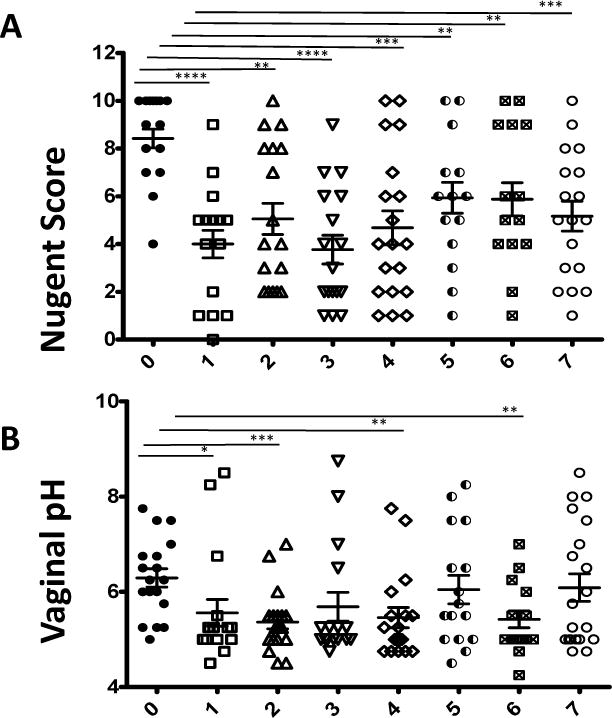
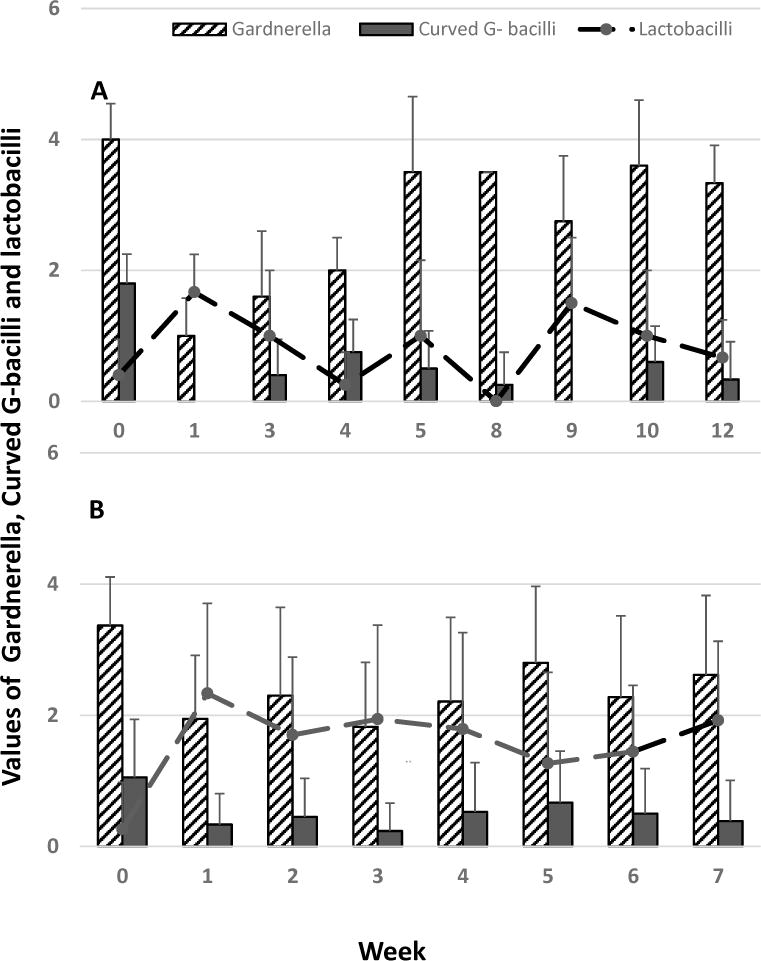
Methods: We tested the vaginal environment of rhesus and cynomolgus macaques longitudinally to characterize the normal microflora based on Nugent scores and pH. This evaluation was extended after colonization of the vaginal space with Lactobacilli in an effort to recreate NHP models representing the healthy human vaginal environment.
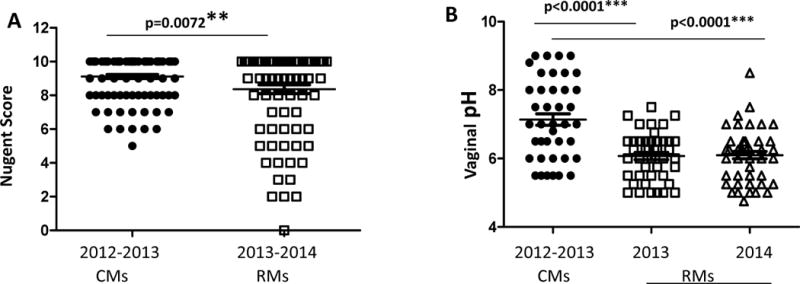
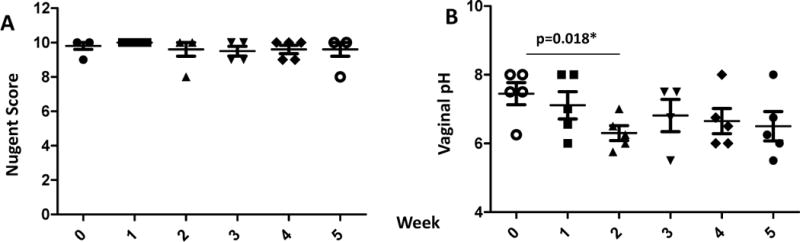
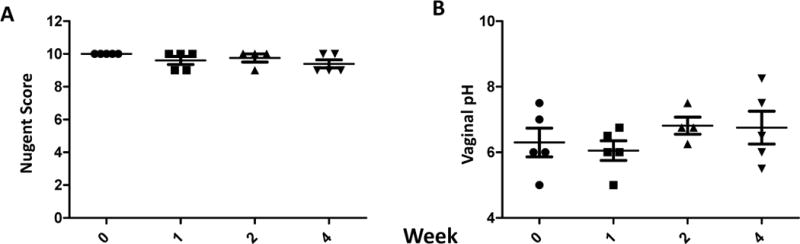
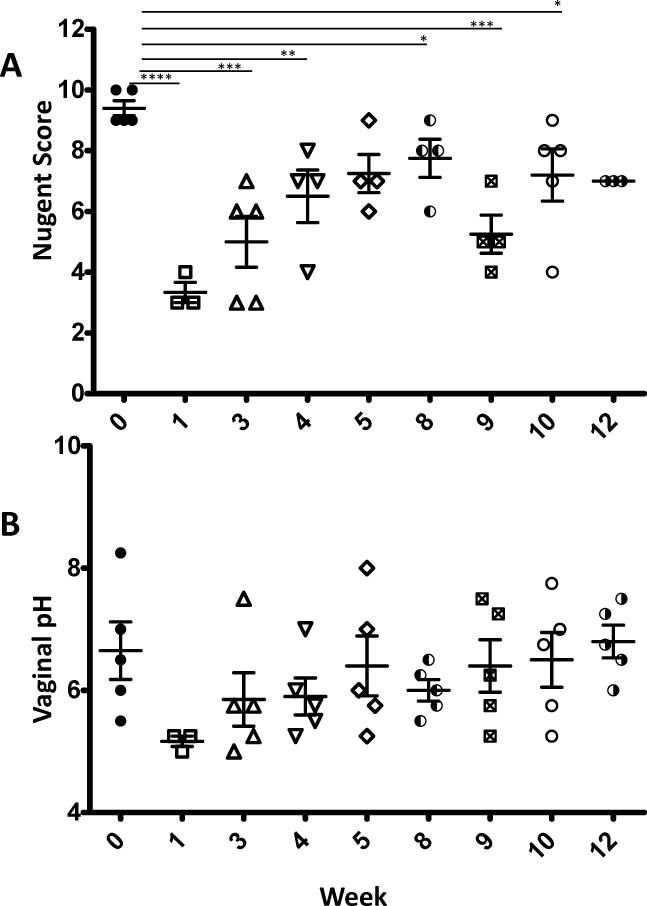
Results and conclusion: Nugent scores and pH differed significantly between species, although data from both species were suggestive of stable bacterial vaginosis. Colonization with Lactobacilli was successful in both species leading to lower Nugent score and pH, although rhesus macaques appeared better able to sustain Lactobacillus spp over time.
Keywords: lactobacillus; macaque; microbiota; vagina.
© 2017 John Wiley & Sons A/S. Published by John Wiley & Sons Ltd.
Figures
References
-
- Van Damme L, et al. Lack of effectiveness of cellulose sulfate gel for the prevention of vaginal HIV transmission. New England Journal of Medicine. 2008;359(5):463–472. - PubMed
Publication types
MeSH terms
Grants and funding
LinkOut - more resources
Full Text Sources
Other Literature Sources
Miscellaneous
