


Angelica Sinensis Polysaccharide Prevents Hematopoietic Stem Cells Senescence in D-Galactose-Induced Aging Mouse Model
- PMID: 28491095
- PMCID: PMC5405396
- DOI: 10.1155/2017/3508907
Angelica Sinensis Polysaccharide Prevents Hematopoietic Stem Cells Senescence in D-Galactose-Induced Aging Mouse Model
Abstract
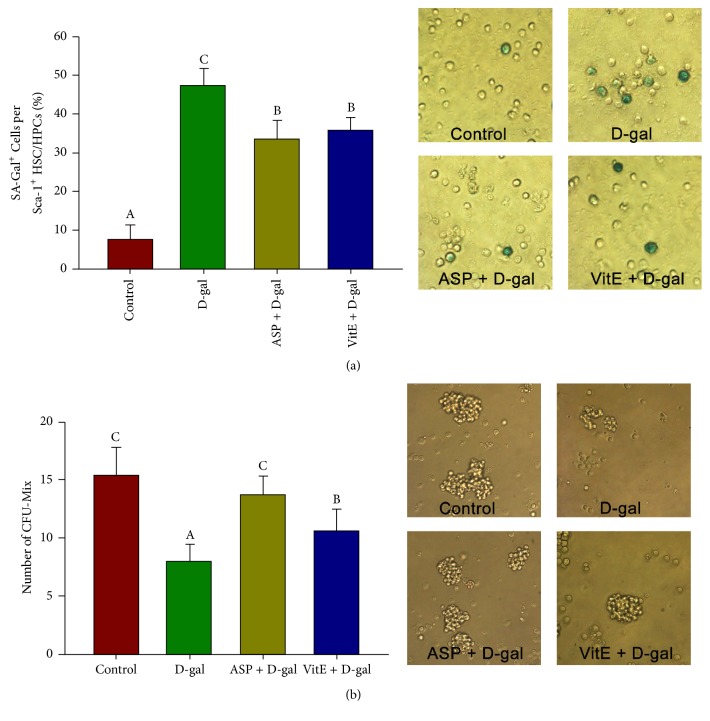
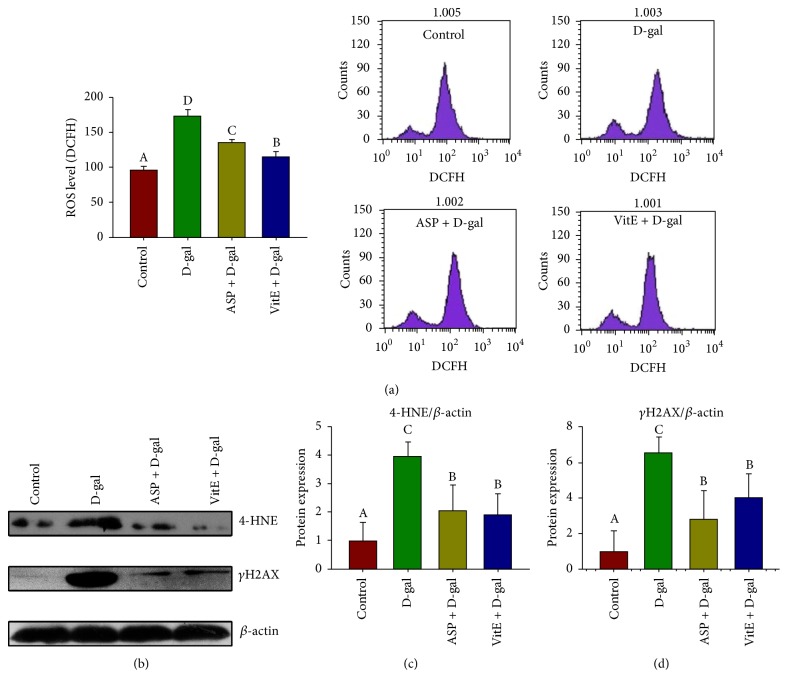
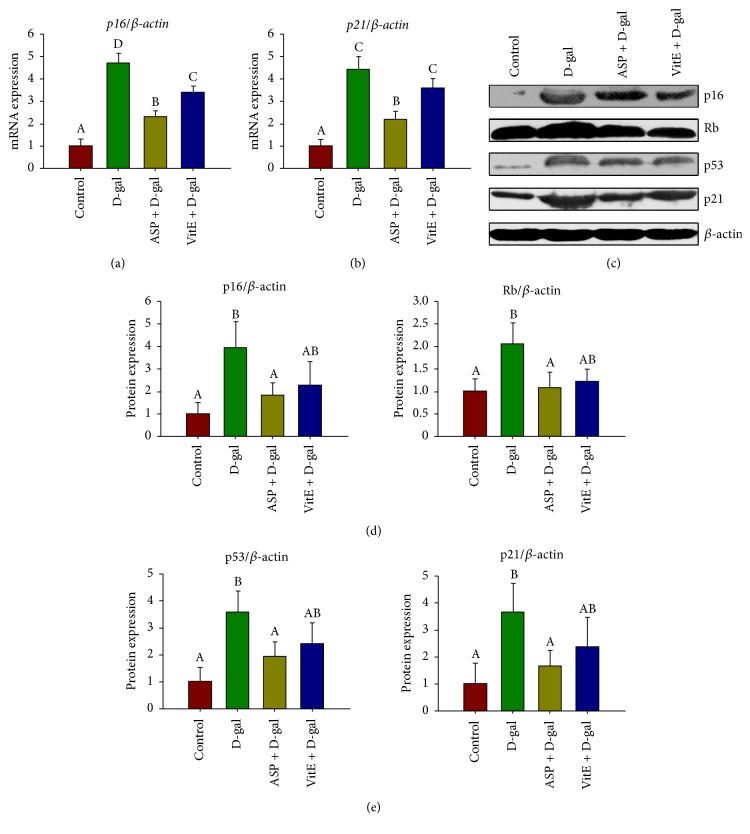
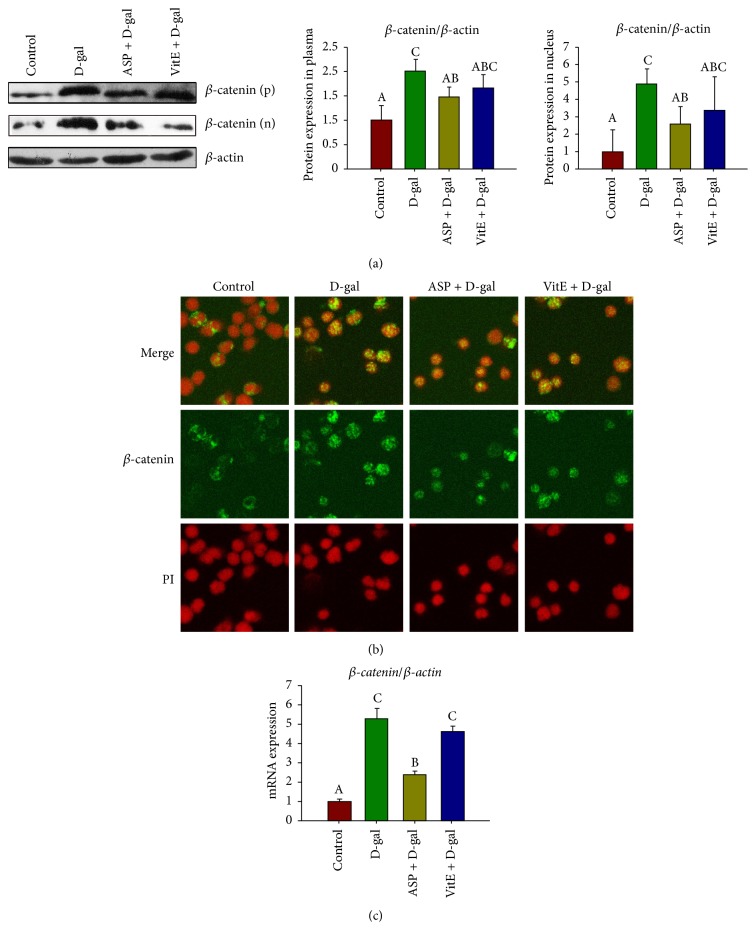
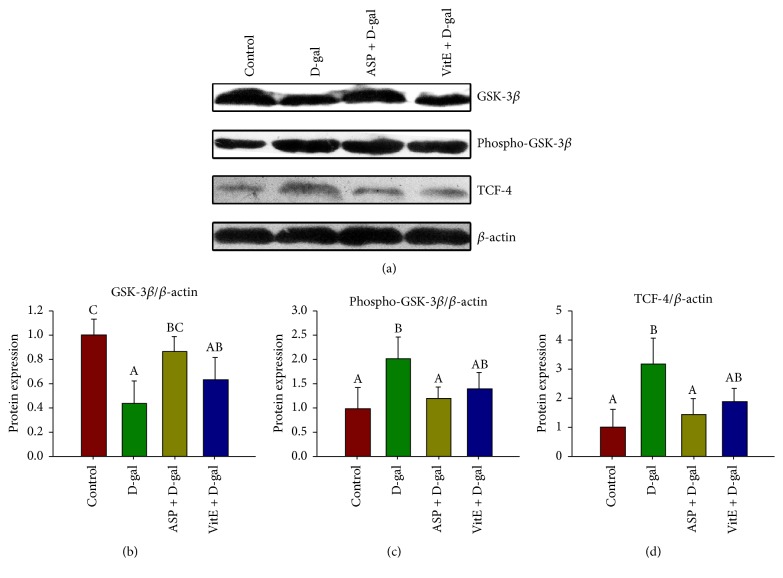
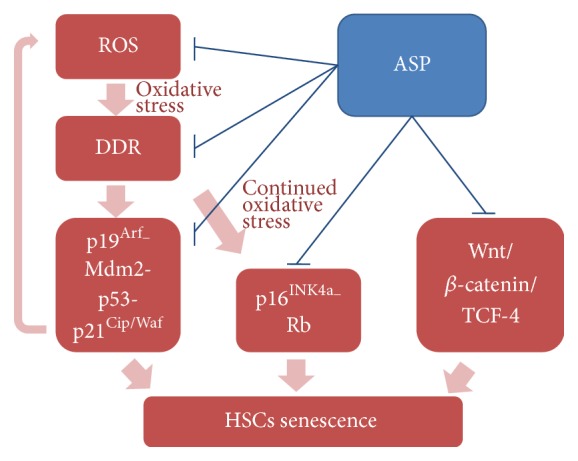
Age-related regression in hematopoietic stem/progenitor cells (HSC/HPCs) limits replenishment of the blood and immune system and hence contributes to hematopoietic diseases and declined immunity. In this study, we employed D-gal-induced aging mouse model and observed the antiaging effects of Angelica Sinensis Polysaccharide (ASP), a major active ingredient in dong quai (Chinese Angelica Sinensis), on the Sca-1+ HSC/HPCs in vivo. ASP treatment prevents HSC/HPCs senescence with decreased AGEs levels in the serum, reduced SA-β-Gal positive cells, and promoted CFU-Mix formation in the D-gal administrated mouse. We further found that multiple mechanisms were involved: (1) ASP treatment prevented oxidative damage as total antioxidant capacity was increased and levels of reactive oxygen species (ROS), 8-OHdG, and 4-HNE were declined, (2) ASP reduced the expression of γ-H2A.X which is a DNA double strand breaks (DSBs) marker and decreased the subsequent ectopic expressions of effectors in p16Ink4a-RB and p19Arf-p21Cip1/Waf senescent pathways, and (3) ASP inhibited the excessive activation of Wnt/β-catenin signaling in aged HSC/HPCs, as the expressions of β-catenin, phospho-GSK-3β, and TCF-4 were decreased, and the cyto-nuclear translocation of β-catenin was inhibited. Moreover, compared with the positive control of Vitamin E, ASP exhibited a better antiaging effect and a weaker antioxidation ability, suggesting a novel protective role of ASP in the hematopoietic system.
Conflict of interest statement
The authors declare that there is no conflict of interests regarding the publication of this paper.
Figures
References
LinkOut - more resources
Full Text Sources
Other Literature Sources
Research Materials
