


IL-10 and IL-10 Receptor Mutations in Very Early Onset Inflammatory Bowel Disease
- PMID: 28496525
- PMCID: PMC5412537
- DOI: 10.14740/gr740w
IL-10 and IL-10 Receptor Mutations in Very Early Onset Inflammatory Bowel Disease
Abstract
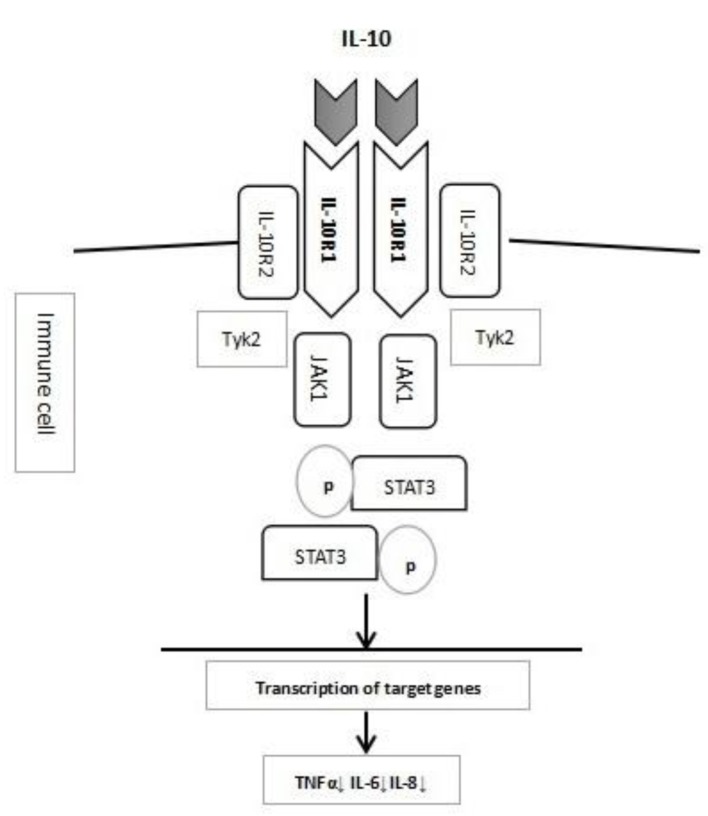
Very early onset inflammatory bowel disease (VEO-IBD) is a unique disease entity with a complex genetic susceptibility in affected patients. Next-generation gene sequencing techniques have revealed various monogenetic mutations contributing to the pathogenesis of VEO-IBD, including interleukin 10 (IL-10) and IL-10 receptor (IL-10R) mutations. In this article, we reviewed the features of and effective therapeutic options for VEO-IBD with IL-10 and/or IL-10R mutations. The IL-10 signal pathway inhibits the release of several key cytokines and thereby has a significant anti-inflammatory effect in the gastrointestinal tract. Mutations of the genes encoding IL-10 and/or IL-10R have been detected in VEO-IBD patients among myriad populations throughout the world. VEO-IBD patients with IL-10 or IL-10R mutations often present with repeated bouts of bloody diarrhea, marked weight loss, growth retardation, and recurrent perianal problems, including abscesses, fistulas, and significant fissures. Moreover, some patients may have folliculitis and present with pulmonary infections. While the therapeutic efficacy of immunosuppressants is typically poor in these patients, allogeneic hematopoietic stem cell transplantation (HSCT) has been reported to improve symptoms significantly. However, the long-term prognosis of VEO-IBD patients with IL-10 or IL-10R gene mutations treated with HSCT requires further exploration to verify the efficacy and safety of this treatment. We concluded that clinicians should recognize the clinical phenotype of VEO-IBD, as mutational analysis of the IL-10 pathway can support the diagnosis and prompt early treatment of this complicated disease.
Keywords: Gene mutation; Inflammatory bowel disease; Interleukin-10; Interleukin-10 receptor.
Figures
References
Publication types
LinkOut - more resources
Full Text Sources
Other Literature Sources