Silicone breast implant rupture: a review
- PMID: 28497020
- PMCID: PMC5409893
- DOI: 10.21037/gs.2016.09.12
Silicone breast implant rupture: a review
Abstract
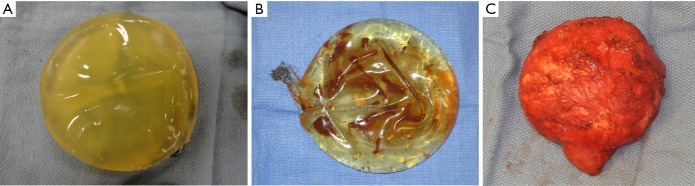
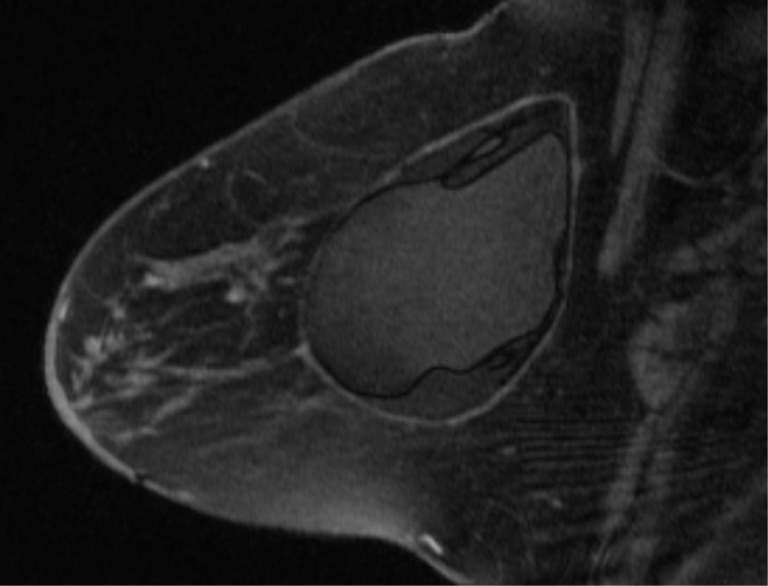
Silicone breast implants have been in use for nearly 6 decades. In this time they have undergone significant changes in design and use. They have been subject to intense scrutiny with regard to safety and efficacy, including an almost 10 years moratorium on their use. The current generations of implants have been followed via the manufacturer's Core studies in order to obtain long term data regarding safety and complications. The results of the more recent studies are compiled in this review. Rupture rates are initially very low and begin to increase after 6-8 years of implantation. Implant rupture may be detected by physical exam, ultrasound or magnetic resonance imaging (MRI). The majority of silicone implant ruptures are clinically undetectable. Symptomatic patients may present with capsular contracture, breast lumps or changes in breast shape. The most common cause of implant rupture is instrument damage during placement. Implant rupture may be confined to the peri-prosthetic capsule or may extravasate into the breast tissue. Patients with ruptured implants have been studied closely and the consensus of the literature states there are no health risks associated with implant rupture. Symptomatic patients with ruptured implants should be offered the choice of observation, or explantation and capsulectomy with or without replacement.
Keywords: Implant; rupture; silicone.
Conflict of interest statement
Conflicts of Interest: Dr. Cunningham has served as a consultant for the Mentor Corporation, Acelity, and his university has received research grants in the past from Mentor and Allergan, and Sientra. And other authors have no conflicts of interest to declare.
Figures
References
-
- Cronin TD, Gerow FJ. Augmentation mammoplasty: A new ‘natural feel’ prosthesis. Transections of the Third International Congress of Plastic Surgery, Amsterdam. Excerpta Medical 1964:41–9.
-
- U.S. Food and Drug Administration. Regulatory History of Breast Implants in the U.S. Available online: http://www.fda.gov/MedicalDevices/ProductsandMedicalProcedures/Implantsa...
-
- Collis N, Sharpe DT. Silicone gel-filled breast implant integrity: a retrospective review of 478 consecutively explanted implants. Plast Reconstr Surg 2000;105:1979-85; discussion 1986-9. - PubMed
Publication types
LinkOut - more resources
Full Text Sources
Other Literature Sources