


A selectivity filter at the intracellular end of the acid-sensing ion channel pore
- PMID: 28498103
- PMCID: PMC5449180
- DOI: 10.7554/eLife.24630
A selectivity filter at the intracellular end of the acid-sensing ion channel pore
Abstract
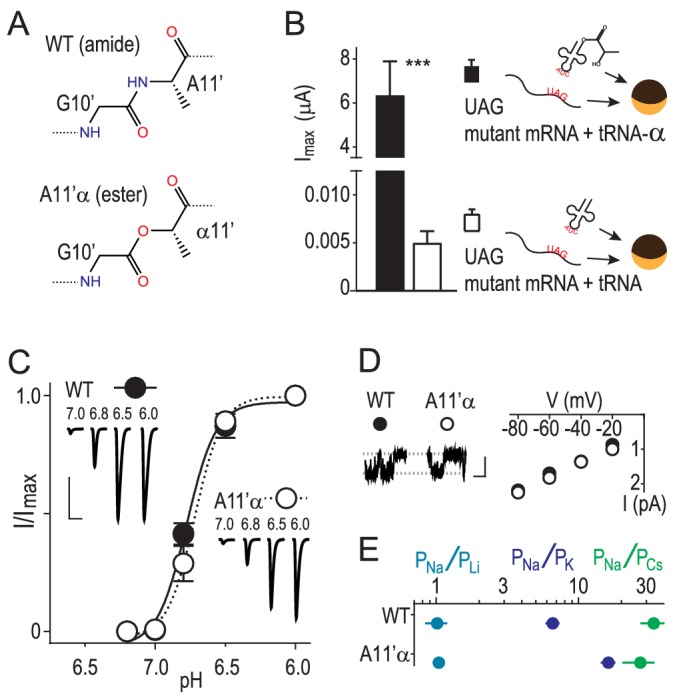
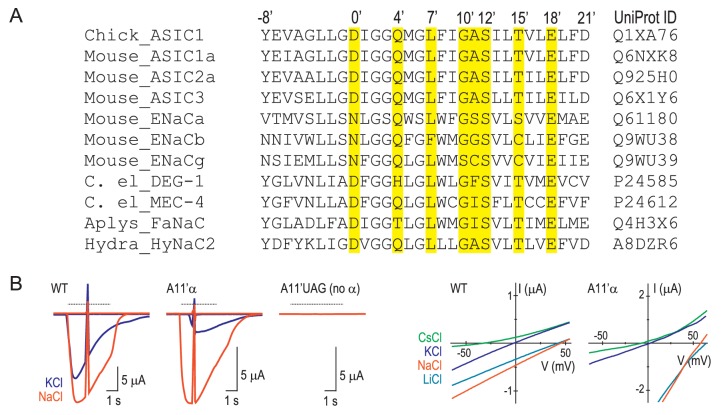
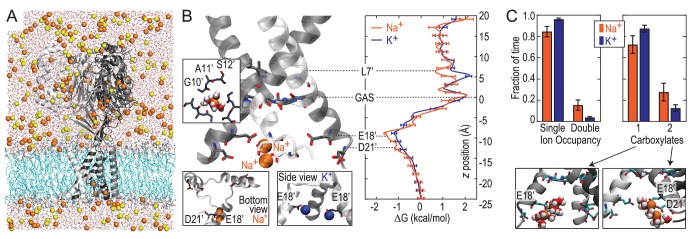
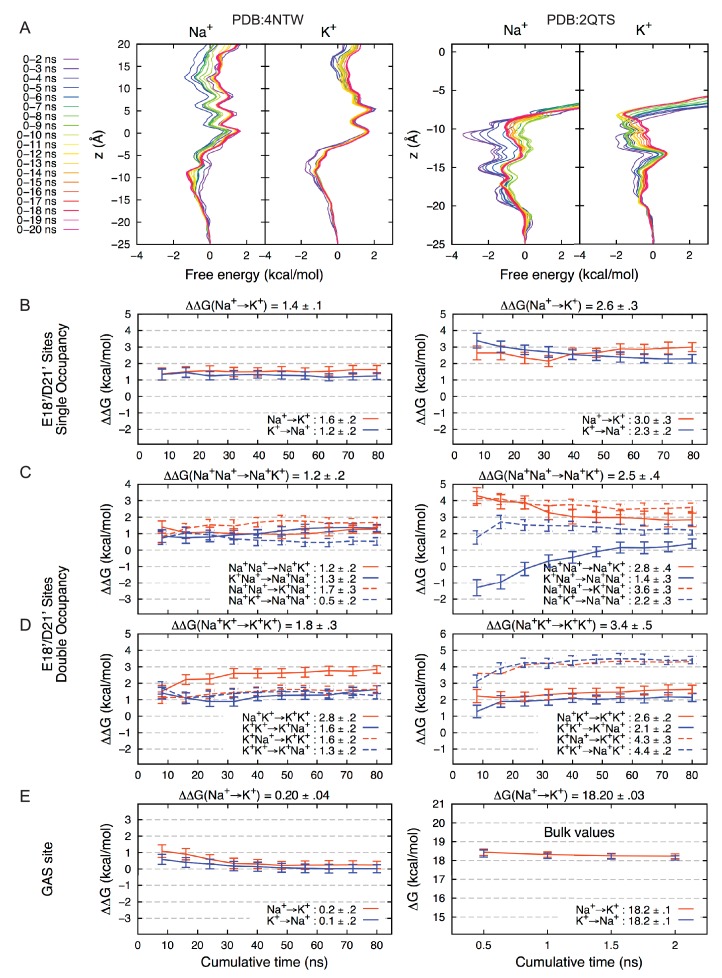
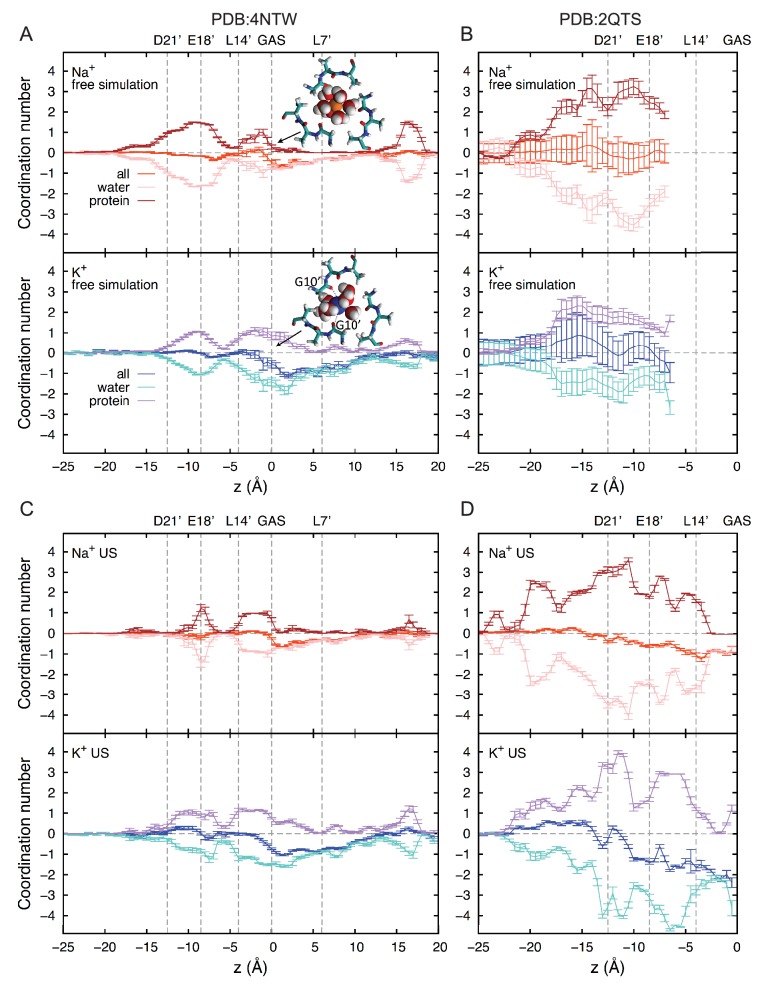
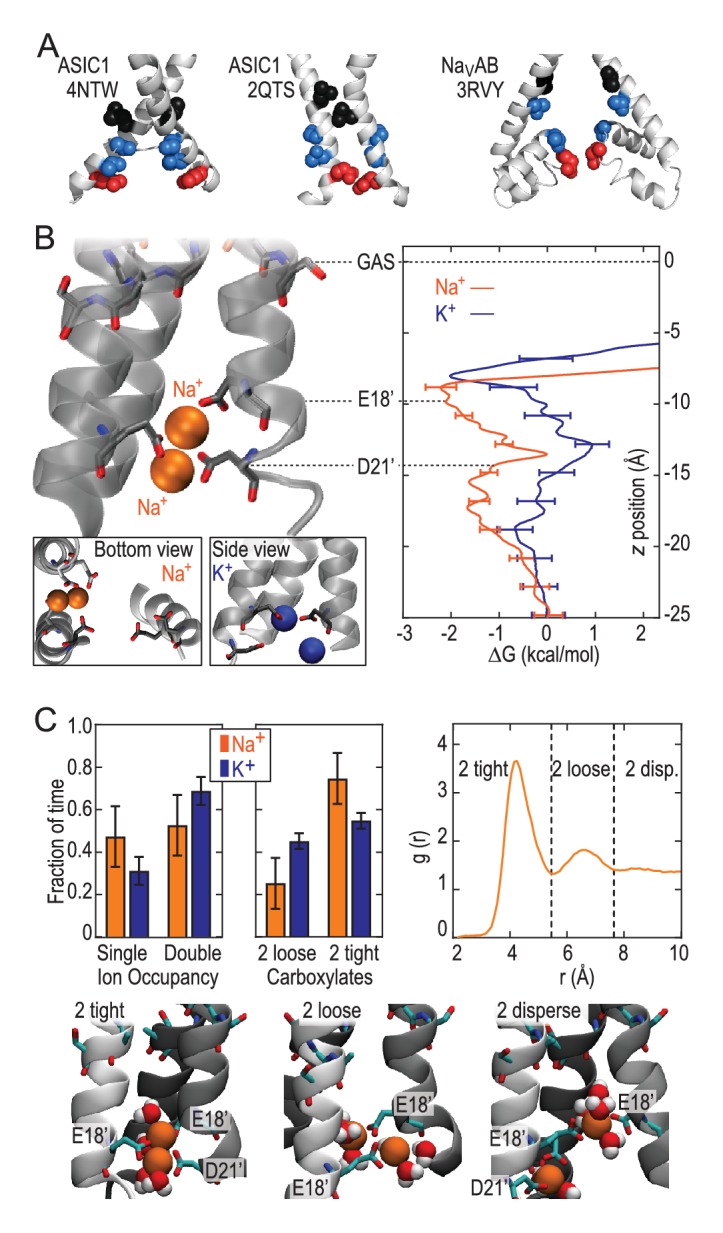
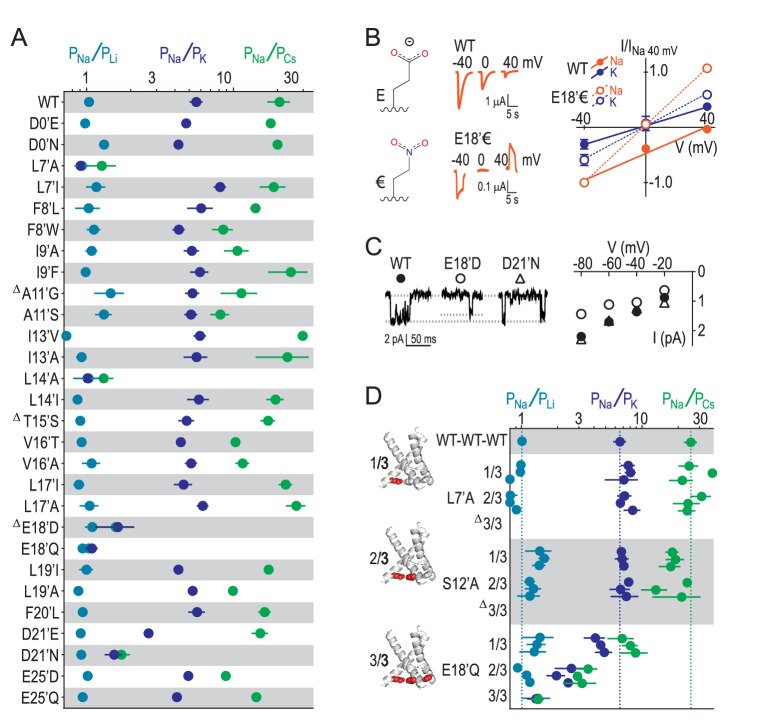
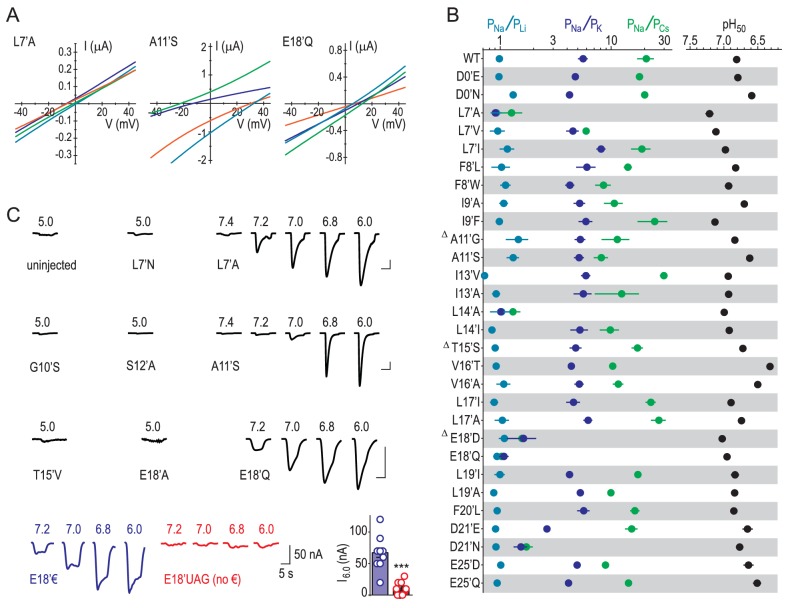
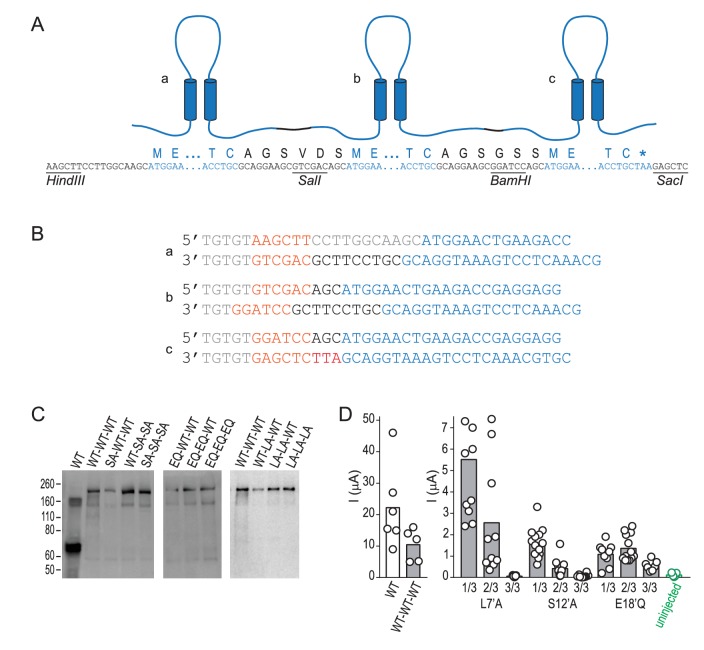
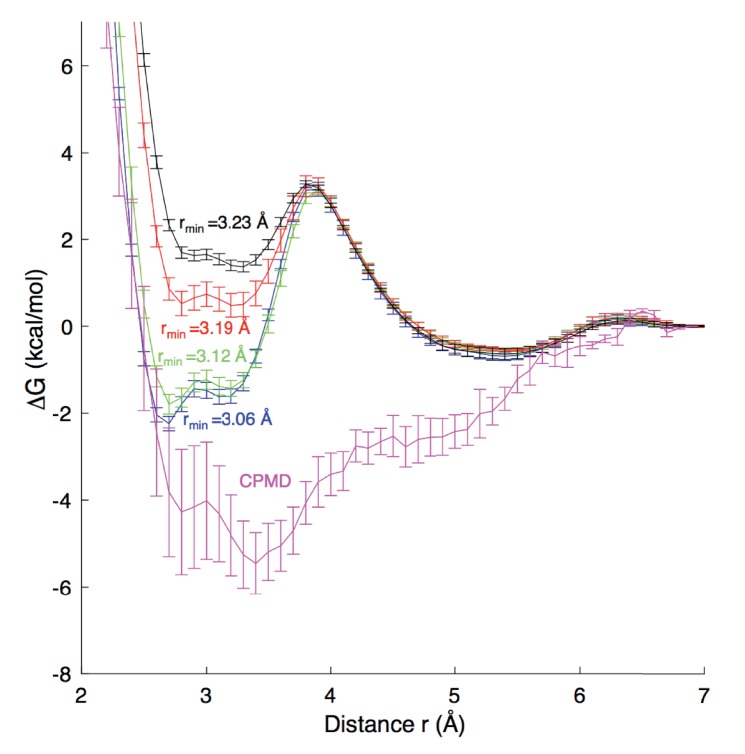
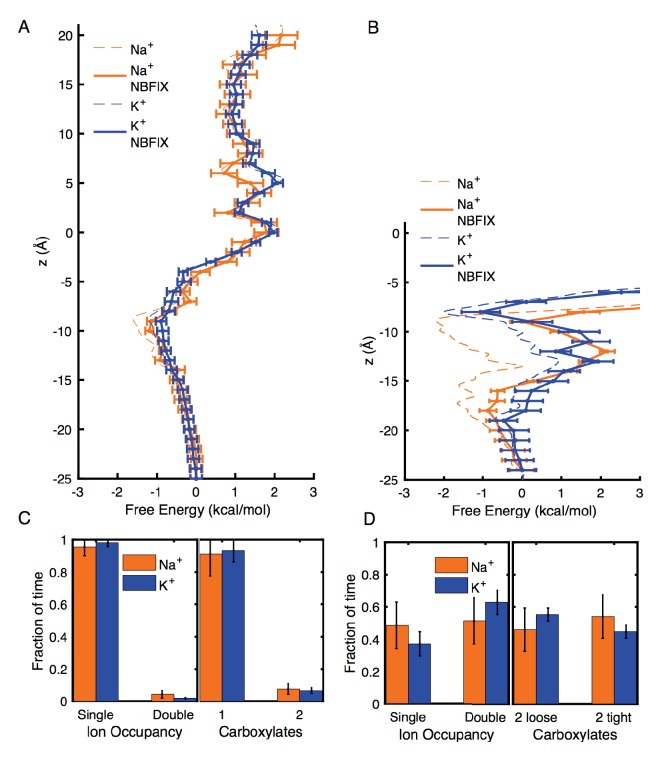
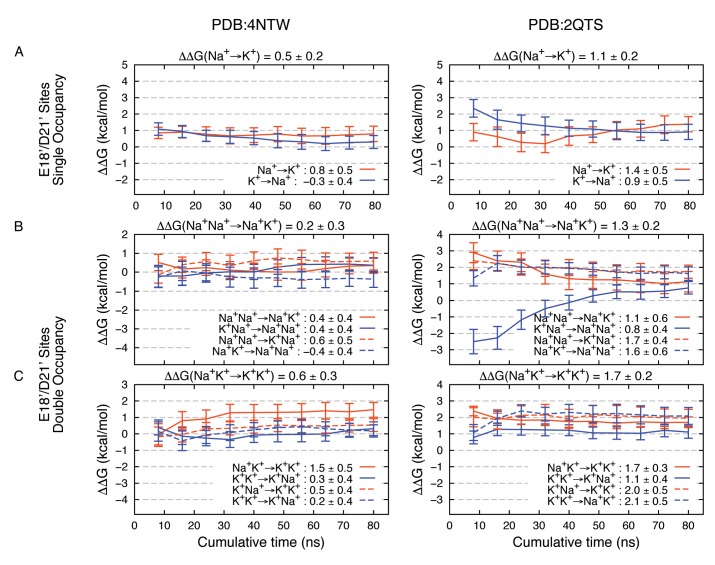
Increased extracellular proton concentrations during neurotransmission are converted to excitatory sodium influx by acid-sensing ion channels (ASICs). 10-fold sodium/potassium selectivity in ASICs has long been attributed to a central constriction in the channel pore, but experimental verification is lacking due to the sensitivity of this structure to conventional manipulations. Here, we explored the basis for ion selectivity by incorporating unnatural amino acids into the channel, engineering channel stoichiometry and performing free energy simulations. We observed no preference for sodium at the "GAS belt" in the central constriction. Instead, we identified a band of glutamate and aspartate side chains at the lower end of the pore that enables preferential sodium conduction.
Keywords: ACIC; ENaC/DEG; biophysics; ion permeation; molecular dynamics; neuroscience; sodium selectivity; structural biology; unnatural amino acids; xenopus.
Conflict of interest statement
The authors declare that no competing interests exist.
Figures
References
-
- Andersen HC. Molecular dynamics simulations at constant pressure and/or temperature. The Journal of Chemical Physics. 1980;72:2384–2393. doi: 10.1063/1.439486. - DOI
-
- Andersen HC. Rattle: a “velocity” version of the shake algorithm for molecular dynamics calculations. Journal of Computational Physics. 1983;52:24–34. doi: 10.1016/0021-9991(83)90014-1. - DOI
MeSH terms
Substances
Grants and funding
LinkOut - more resources
Full Text Sources
Other Literature Sources
Medical
