


Consequences of MEGF10 deficiency on myoblast function and Notch1 interactions
- PMID: 28498977
- PMCID: PMC6075367
- DOI: 10.1093/hmg/ddx189
Consequences of MEGF10 deficiency on myoblast function and Notch1 interactions
Abstract
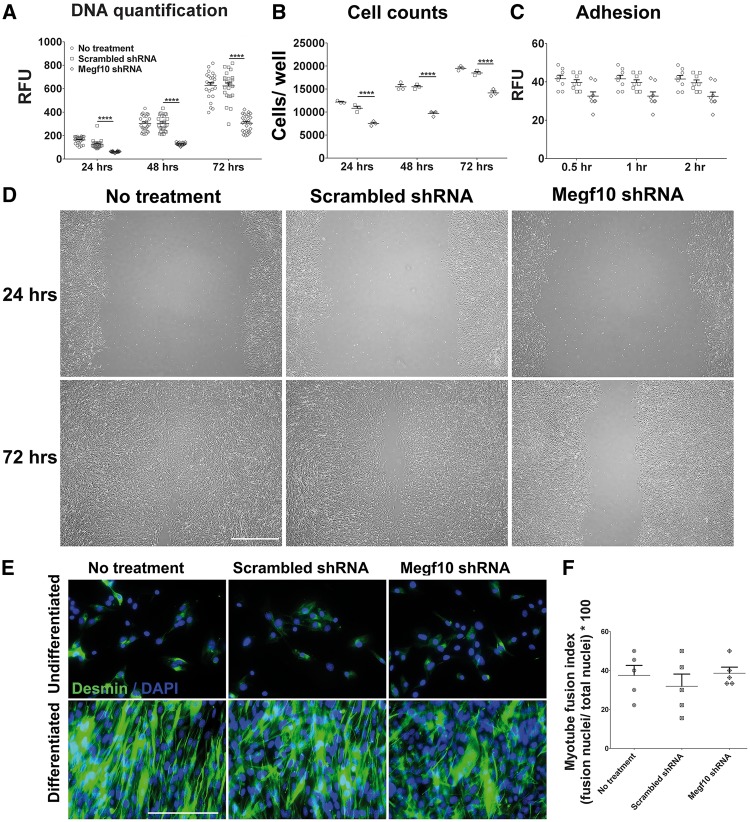
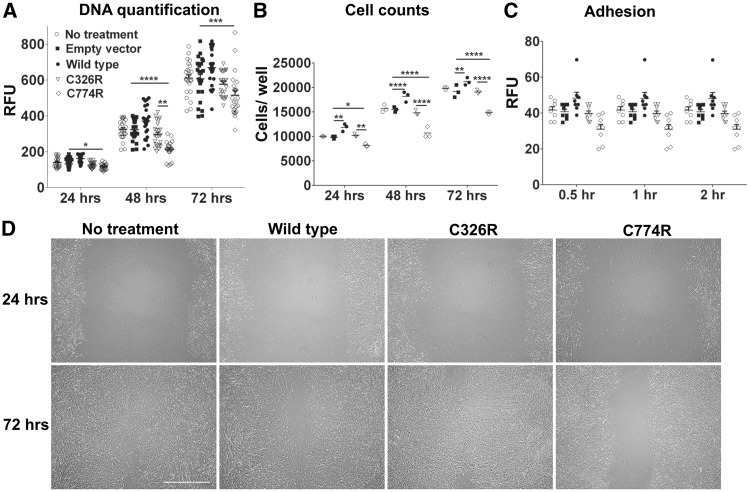
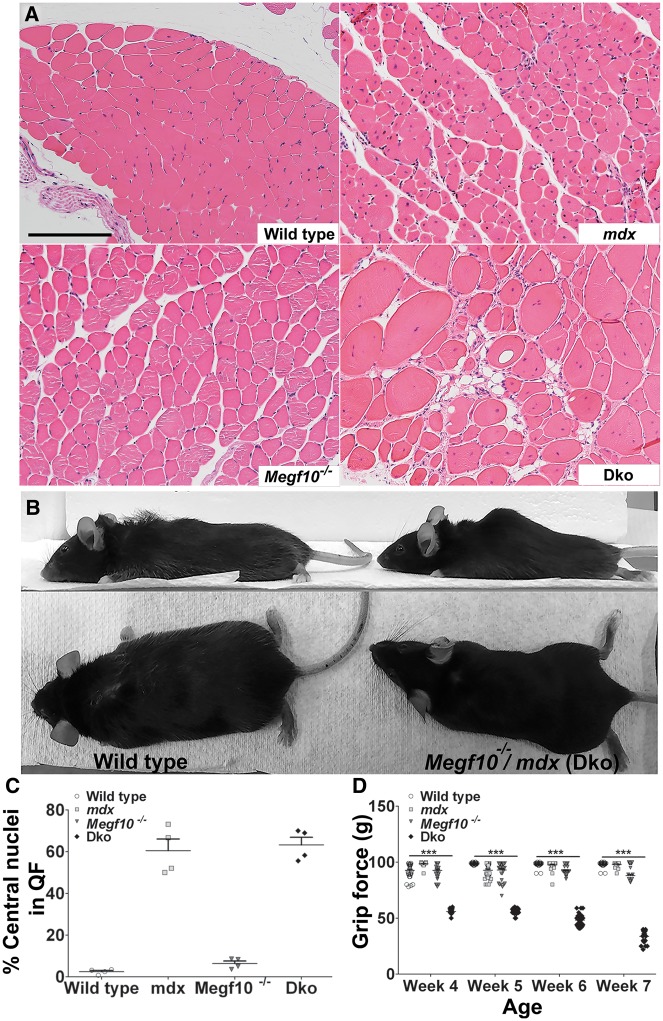
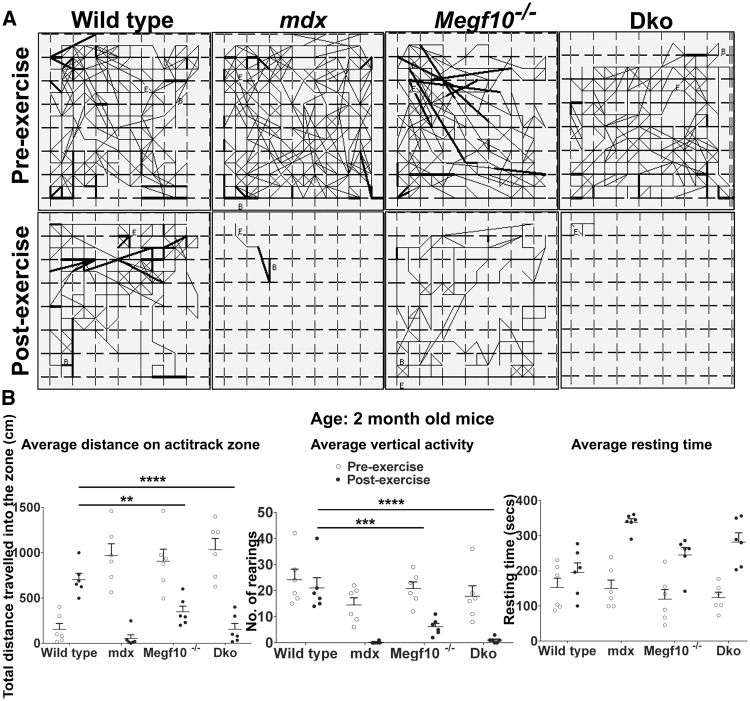
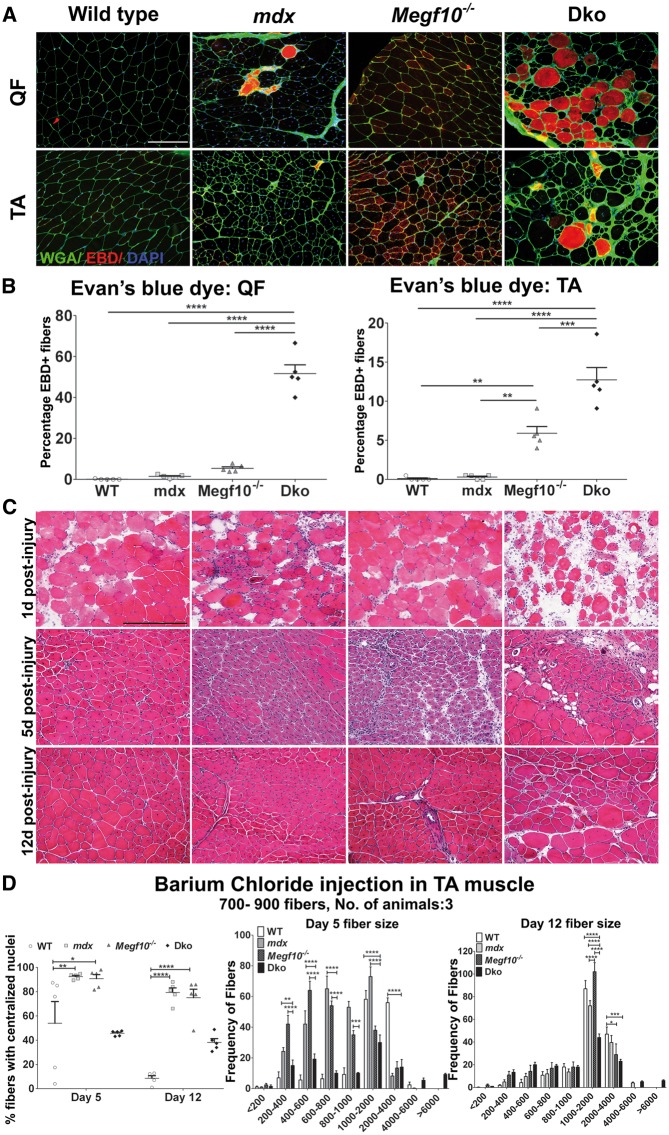
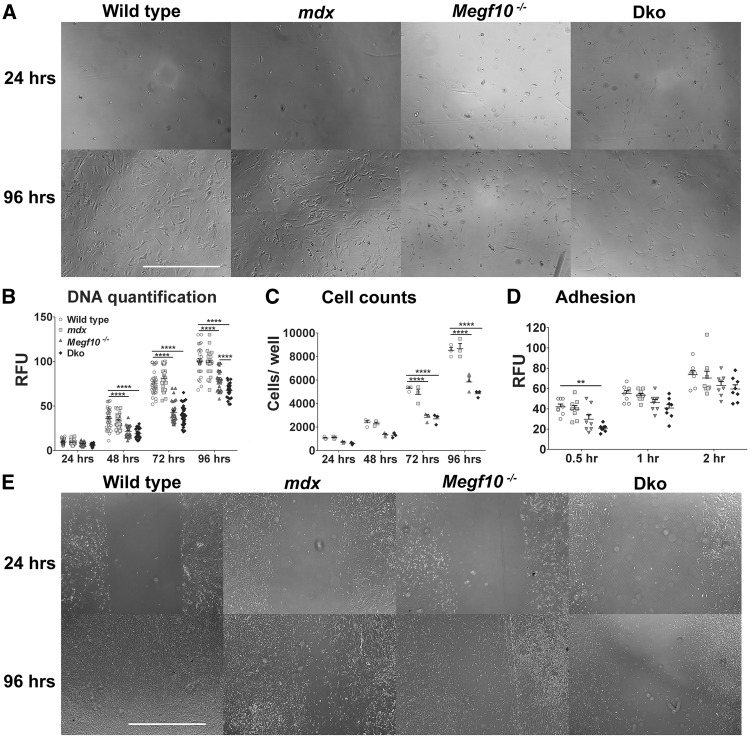
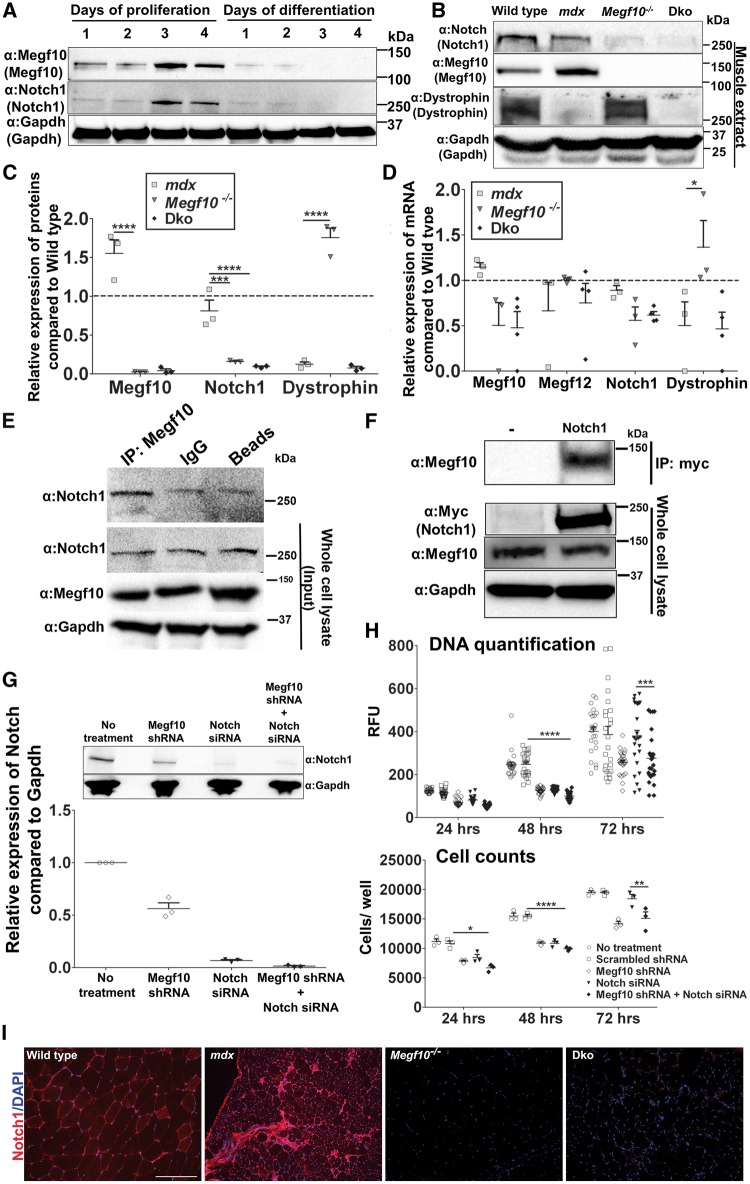
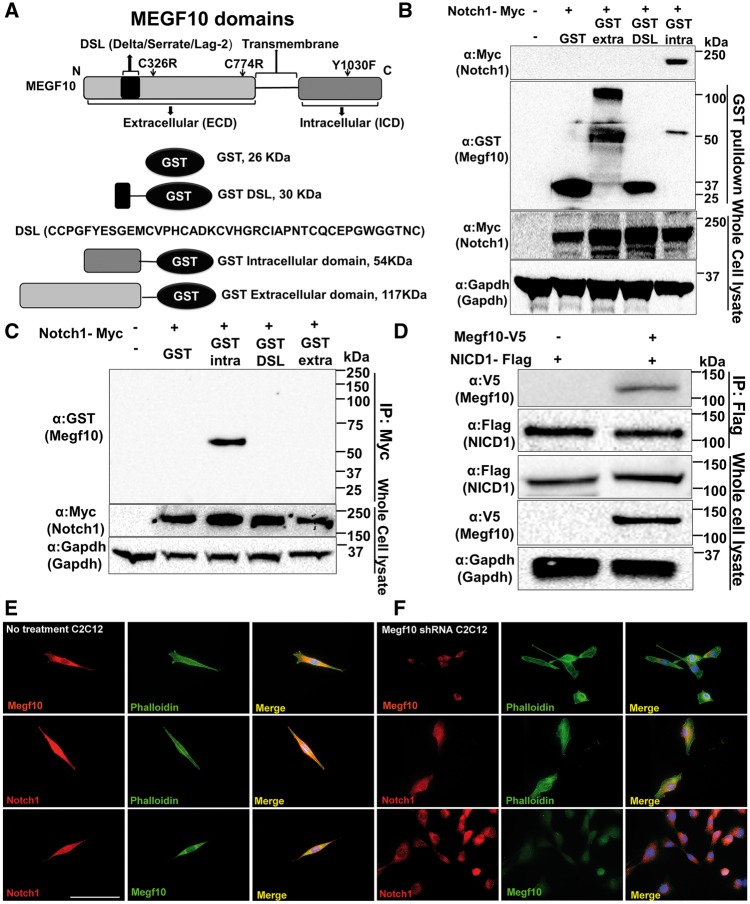
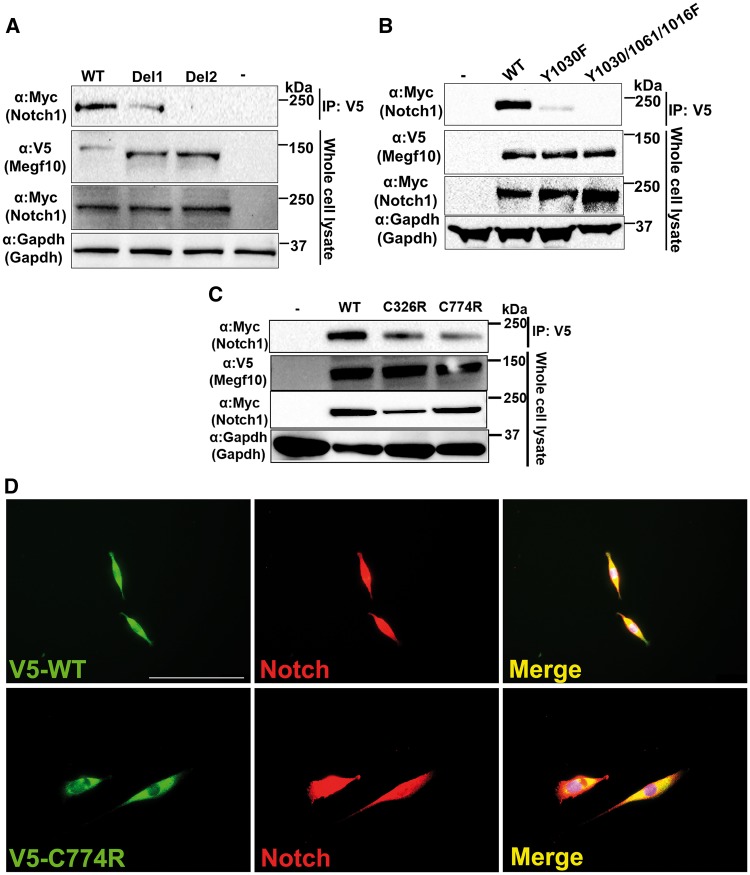
Mutations in MEGF10 cause early onset myopathy, areflexia, respiratory distress, and dysphagia (EMARDD), a rare congenital muscle disease, but the pathogenic mechanisms remain largely unknown. We demonstrate that short hairpin RNA (shRNA)-mediated knockdown of Megf10, as well as overexpression of the pathogenic human p.C774R mutation, leads to impaired proliferation and migration of C2C12 cells. Myoblasts from Megf10-/- mice and Megf10-/-/mdx double knockout (dko) mice also show impaired proliferation and migration compared to myoblasts from wild type and mdx mice, whereas the dko mice show histological abnormalities that are not observed in either single mutant mouse. Cell proliferation and migration are known to be regulated by the Notch receptor, which plays an essential role in myogenesis. Reciprocal co-immunoprecipitation studies show that Megf10 and Notch1 interact via their respective intracellular domains. These interactions are impaired by the pathogenic p.C774R mutation. Megf10 regulation of myoblast function appears to be mediated at least in part via interactions with key components of the Notch signaling pathway, and defects in these interactions may contribute to the pathogenesis of EMARDD.
© The Author 2017. Published by Oxford University Press. All rights reserved. For Permissions, please email: journals.permissions@oup.com.
Figures
References
-
- Suzuki E., Nakayama M. (2007) The mammalian Ced-1 ortholog MEGF10/KIAA1780 displays a novel adhesion pattern. Exp. Cell Res., 313, 2451–2464. - PubMed
Publication types
MeSH terms
Substances
Grants and funding
LinkOut - more resources
Full Text Sources
Other Literature Sources
Molecular Biology Databases
