Performance Fatigability: Mechanisms and Task Specificity
- PMID: 28507192
- PMCID: PMC6027928
- DOI: 10.1101/cshperspect.a029728
Performance Fatigability: Mechanisms and Task Specificity
Abstract
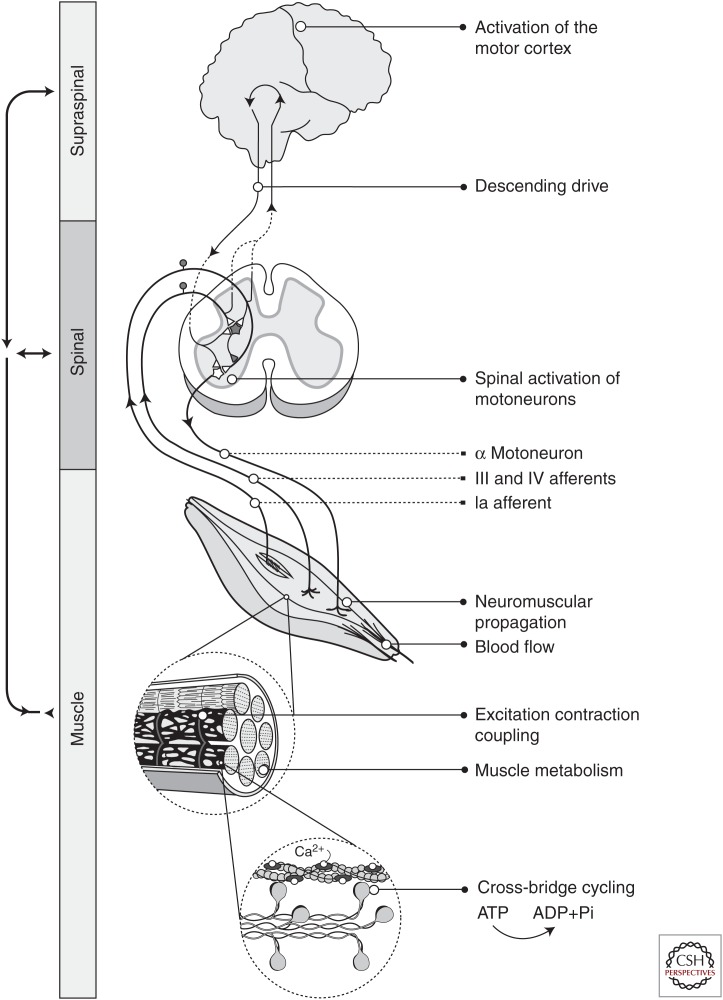
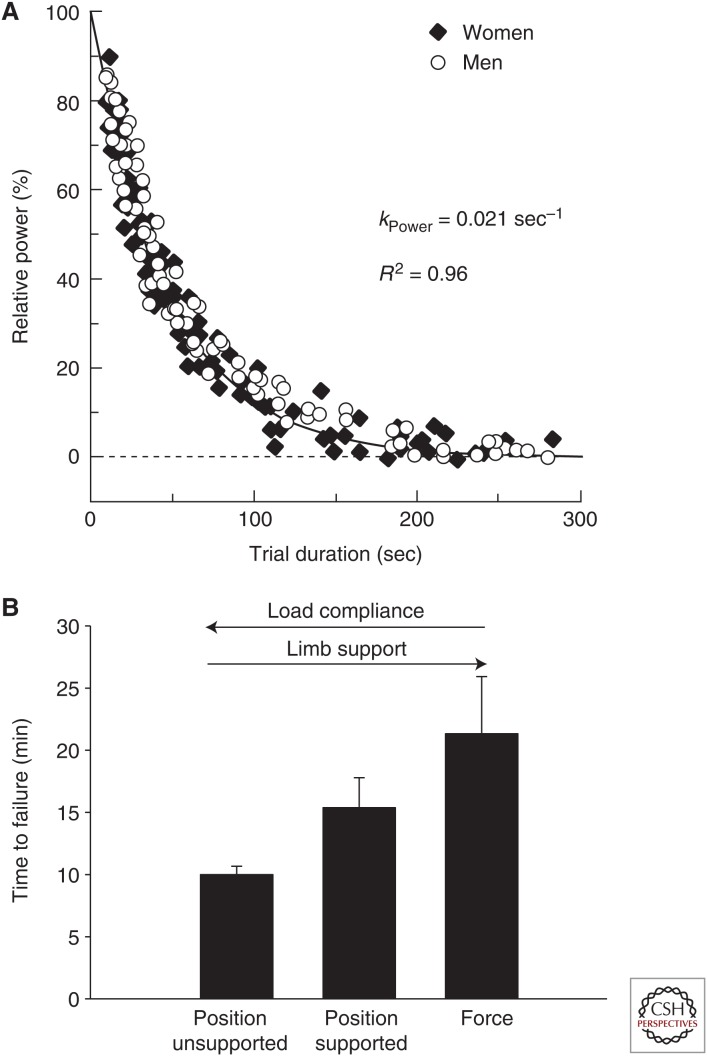
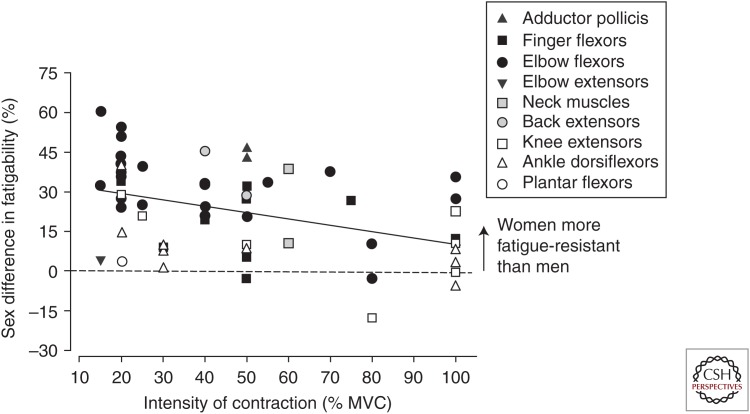
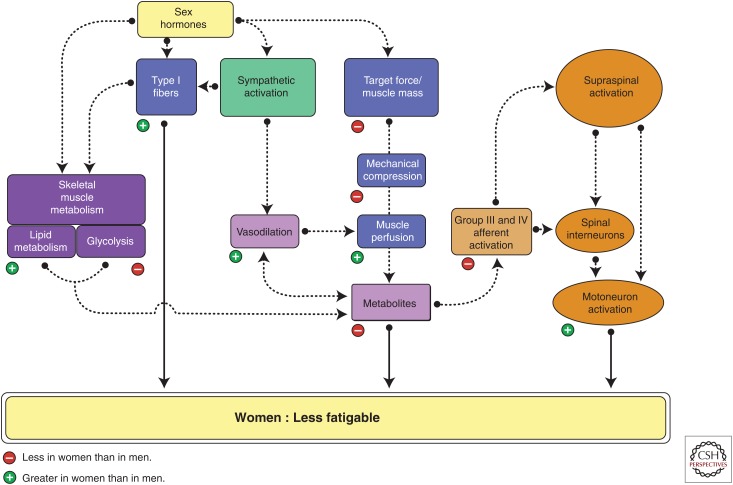
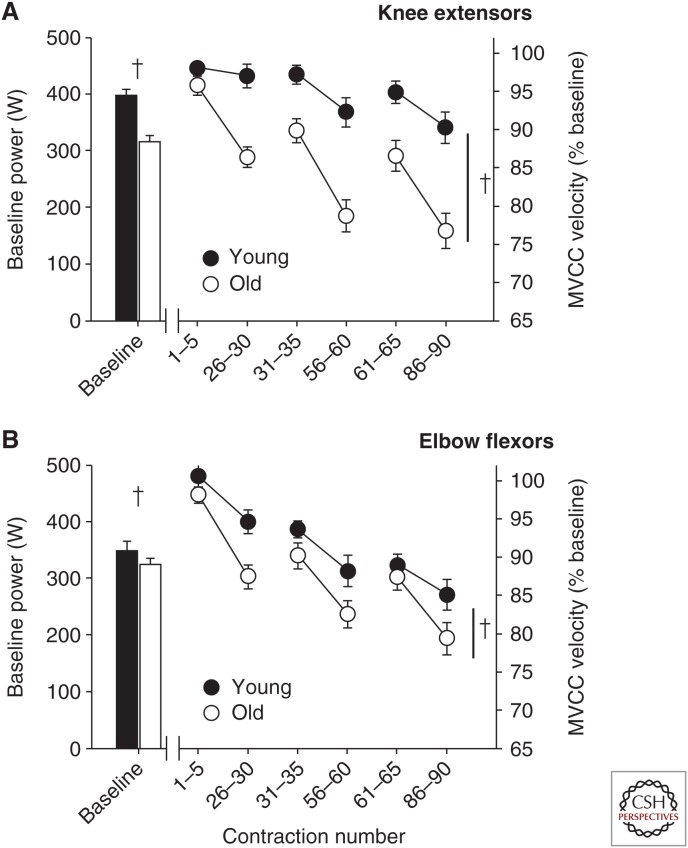
Performance fatigability is characterized as an acute decline in motor performance caused by an exercise-induced reduction in force or power of the involved muscles. Multiple mechanisms contribute to performance fatigability and originate from neural and muscular processes, with the task demands dictating the mechanisms. This review highlights that (1) inadequate activation of the motoneuron pool can contribute to performance fatigability, and (2) the demands of the task and the physiological characteristics of the population assessed, dictate fatigability and the involved mechanisms. Examples of task and population differences in fatigability highlighted in this review include contraction intensity and velocity, stability and support provided to the fatiguing limb, sex differences, and aging. A future challenge is to define specific mechanisms of fatigability and to translate these findings to real-world performance and exercise training in healthy and clinical populations across the life span.
Copyright © 2018 Cold Spring Harbor Laboratory Press; all rights reserved.
Figures
References
-
- Baudry S, Enoka RM. 2009. Influence of load type on presynaptic modulation of Ia afferent input onto two synergist muscles. Exp Brain Res 199: 83–88. - PubMed
-
- Baudry S, Klass M, Pasquet B, Duchateau J. 2007. Age-related fatigability of the ankle dorsiflexor muscles during concentric and eccentric contractions. Eur J Appl Physiol 100: 515–525. - PubMed
Publication types
MeSH terms
LinkOut - more resources
Full Text Sources
Other Literature Sources
Medical