


Chemical composition and biological activities of Salvia officinalis essential oil from Tunisia
- PMID: 28507464
- PMCID: PMC5427463
- DOI: 10.17179/excli2016-832
Chemical composition and biological activities of Salvia officinalis essential oil from Tunisia
Abstract
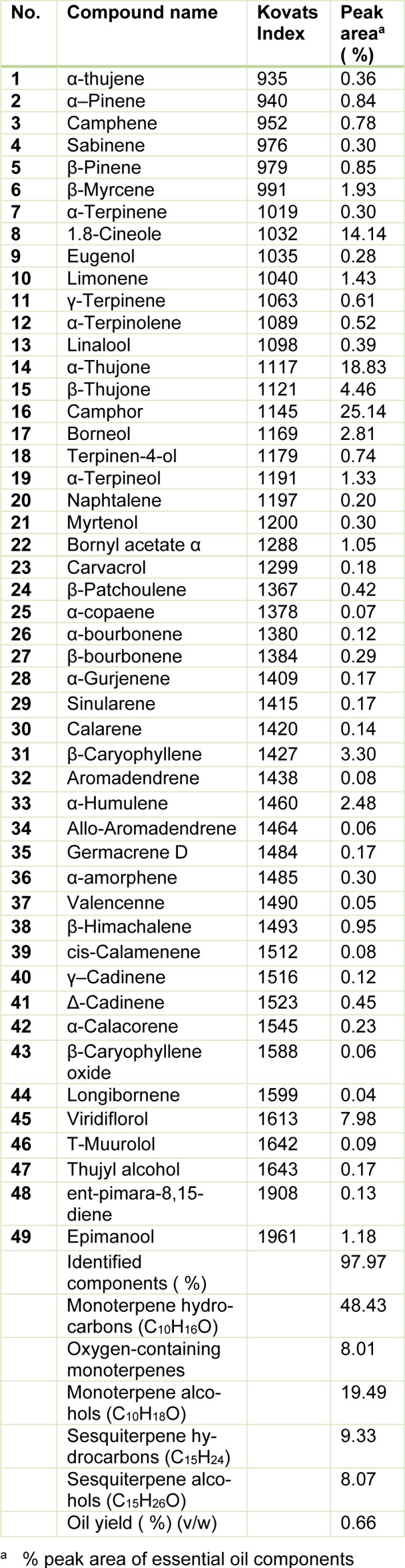
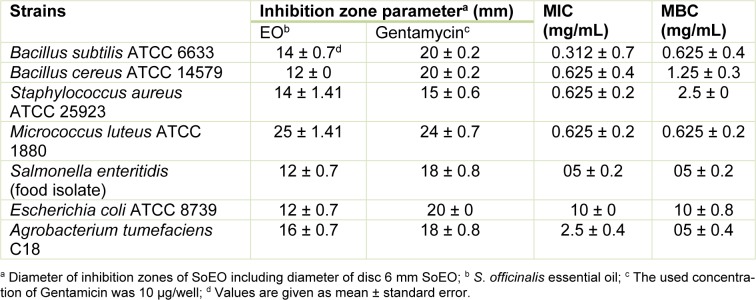
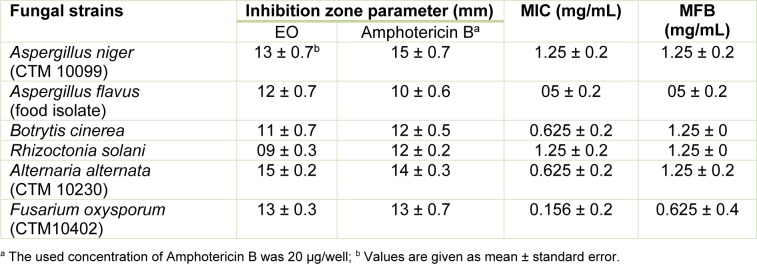
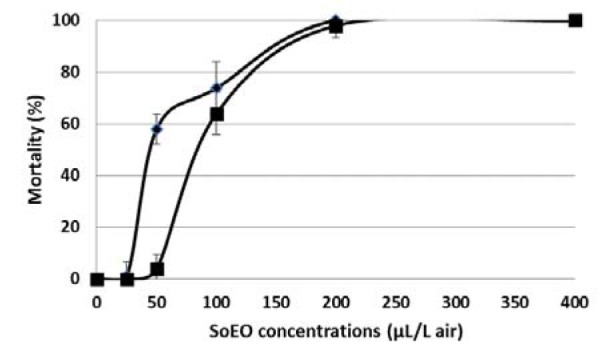
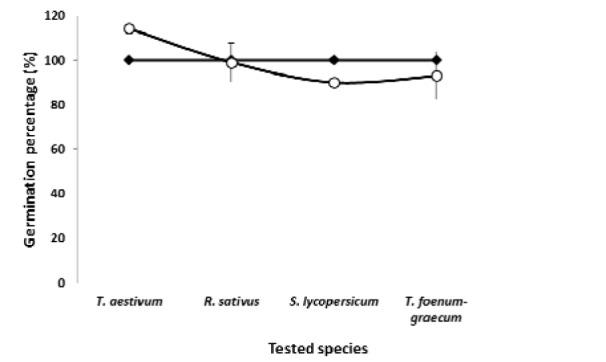
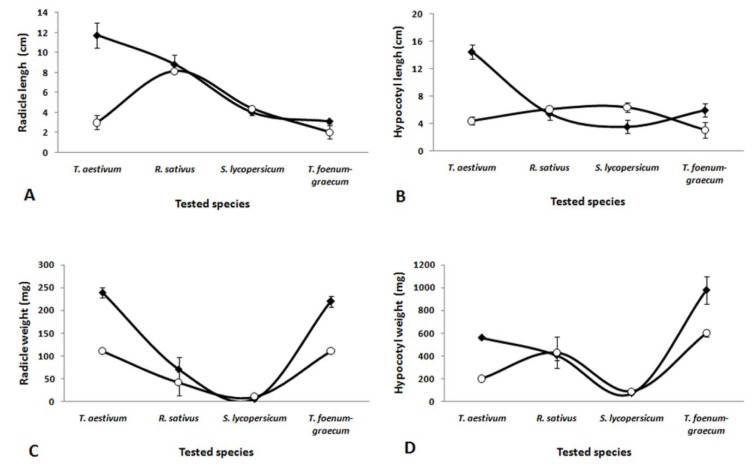
The aim of this study is to evaluate the chemical composition, antioxidant, antimicrobial, insecticidal and allelopathic activities of Tunisia Salvia officinalis essential oil (SoEO). The SoEO was characterized by the presence of 49 components with camphor (25.14 %), α-thujone (18.83 %), 1,8-cineole (14.14 %), viridiflorol (7.98 %), β-thujone (4.46 %) and β-caryophyllene (3.30 %) as the major components, determined by gas chromatography-mass spectrometry. The level of antioxidant activity, determined by complementary tests, namely 2,2-diphenyl-1-picrylhydrazyl radical-scavenging (IC50= 6.7 mg/mL), linoleic acid peroxidation (IC50= 9.6 mg/mL) and ferric reducing assays (IC50= 28.4 mg/mL), was relatively moderate. The SoEO was also screened for its antimicrobial activity. Good to moderate inhibitions were recorded for most of tested microorganisms. It also exhibited important insecticidal activity against Spodoptera littoralis larvae and Tribolium castaneum adults with LC50 values of 55.99 and 97.43 µl/L air, respectively. The effect of the SoEO on seeds germination and growth showed different activities against radical and hypocotyl elongation of the tested species. These results suggest the potential use of the SoEO as natural antimicrobial preservative in cosmetic, pharmaceutical industry and in pest management.
Keywords: Salvia officinalis; antimicrobial activity; antioxidant; essential oil; insecticidal activity; phytotoxicity.
Figures

References
-
- Abdelgaleil SAM, Mohamed MIE, Badawy MEI, El-arami SAA. Fumigant and contact toxicities of monoterpenes to Sitophilus oryzae (L.) and Tribolium castaneum (Herbst) and their inhibitory effects on acetylcholinesterase activity. J Chem Ecol. 2009;35:518–25. - PubMed
-
- Adams RP. Quadrupole mass spectra of compounds listed in order of their retention time on DB-5. Identification of essential oils components by gas chromatography/quadrupole mass spectroscopy. Carol Stream, IL: Allured Publishing Corporation; 2001.
-
- Ben El Hadj Ali I, Chaouachi M, Bahri R, Chaieb I, Boussaïd M, Harzallah-Skhiri F. Chemical composition and antioxidant, antibacterial, allelopathic and insecticidal activities of essential oil of Thymus algeriensis Boiss. Et Reut. Ind Crop Prod. 2015;77:631–9.
-
- Bettaieb I, Zakhama N, Aidi Wannes W, Kchouk ME, Marzouk B. Water deficit effects on Salvia officinalis fatty acids and essential oils composition. Sci Hortic. 2009;120:271–5.
-
- Bouaziz M, Yangui T, Sayadi S, Dhouib A. Disinfectant properties of essential oils from Salvia officinalis L. cultivated in Tunisia. Food Chem Toxicol. 2009;47:2755–60. - PubMed
LinkOut - more resources
Full Text Sources
Other Literature Sources
Molecular Biology Databases