. 2017 Jun 5;56(11):6609-6623.
doi: 10.1021/acs.inorgchem.7b00710. Epub 2017 May 16.

Bis(thiosemicarbazone) Complexes of Cobalt(III). Synthesis, Characterization, and Anticancer Potential

Affiliations

Bis(thiosemicarbazone) Complexes of Cobalt(III). Synthesis, Characterization, and Anticancer Potential

A Paden King et al. Inorg Chem. .

Abstract

Nine bis(thiosemicarbazone) (BTSC) cobalt(III) complexes of the general formula [Co(BTSC)(L)2]NO3 were synthesized, where BTSC = diacetyl bis(thiosemicarbazone) (ATS), pyruvaldehyde bis(thiosemicarbazone) (PTS), or glyoxal bis(thiosemicarbazone) (GTS) and L = ammonia, imidazole (Im), or benzylamine (BnA). These compounds were characterized by multinuclear NMR spectroscopy, mass spectrometry, cyclic voltammetry, and X-ray crystallography. Their stability in phosphate-buffered saline was investigated and found to be highly dependent on the nature of the axial ligand, L. These studies revealed that complex stability is primarily dictated by the axial ligand following the sequence NH3 > Im > BnA. The cellular uptake and cytotoxicity in cancer cells were also determined. Both the cellular uptake and cytotoxicity were significantly affected by the nature of the equatorial BTSC. Complexes of ATS were taken up much more effectively than those of PTS and GTS. The cytotoxicity of the complexes was correlated to that of the free ligand. Cell uptake and cytotoxicity were also determined under hypoxic conditions. Only minor differences in the hypoxia activity and uptake were observed. Treatment of the cancer cells with the copper-depleting agent tetrathiomolybdate decreased the cytotoxic potency of the complexes, indicating that they may operate via a copper-dependent mechanism. These results provide a structure-activity relationship for this class of compounds, which may be applied for the rational design of new cobalt(III) anticancer agents.


Conflict of interest statement

The authors declare no competing financial interests.

Figures
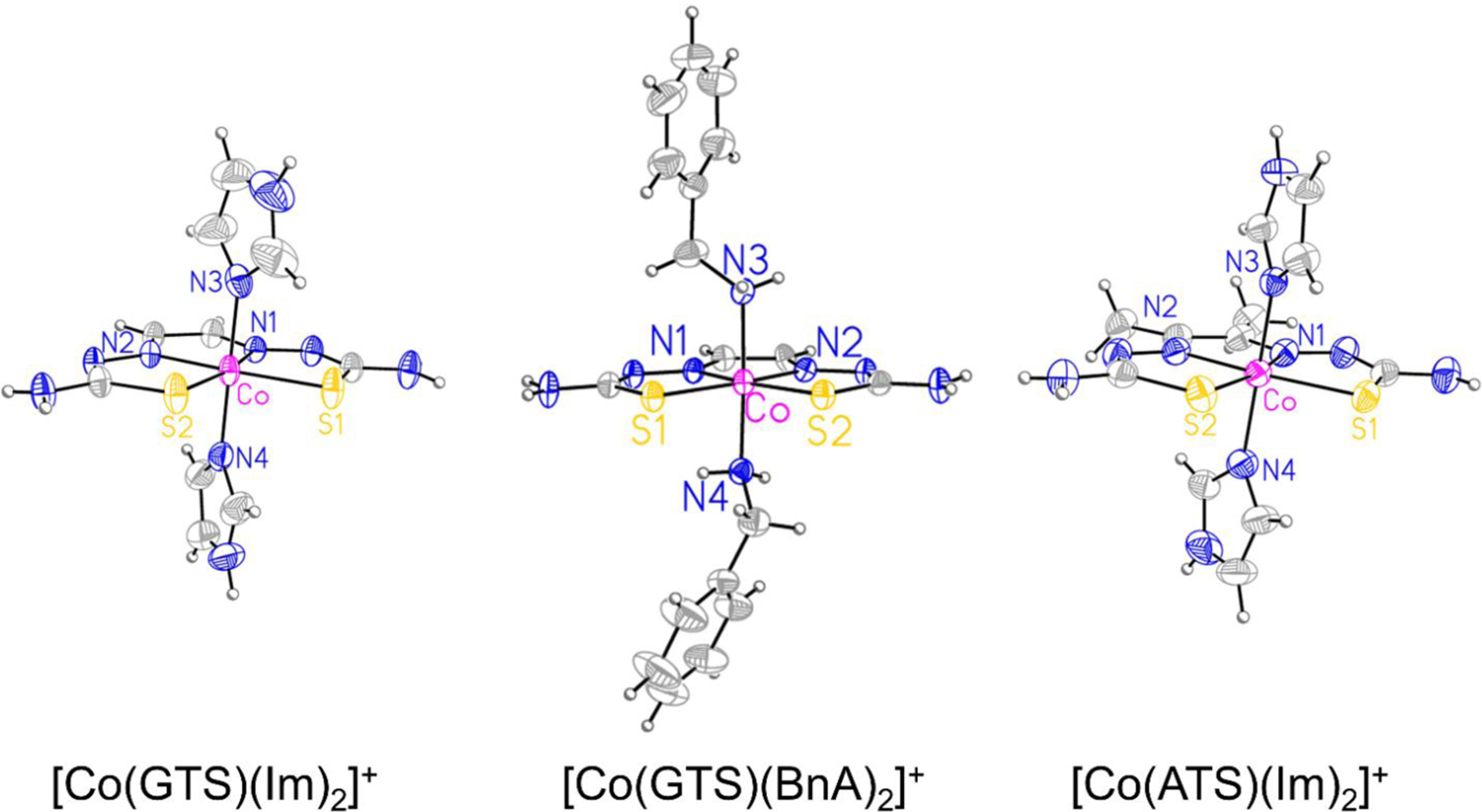
Figure 1.
Figure 1.
X-ray crystal structures of [Co(GTS)(Im)2]+, [Co(GTS)(BnA)2]+, and [Co(ATS)(Im)2]+. Ellipsoids are drawn at the 50% probability level. The disordered component of the imidazole ligand in [Co(ATS)(Im)2]+ is omitted for clarity.
Figure 2.
Figure 2.
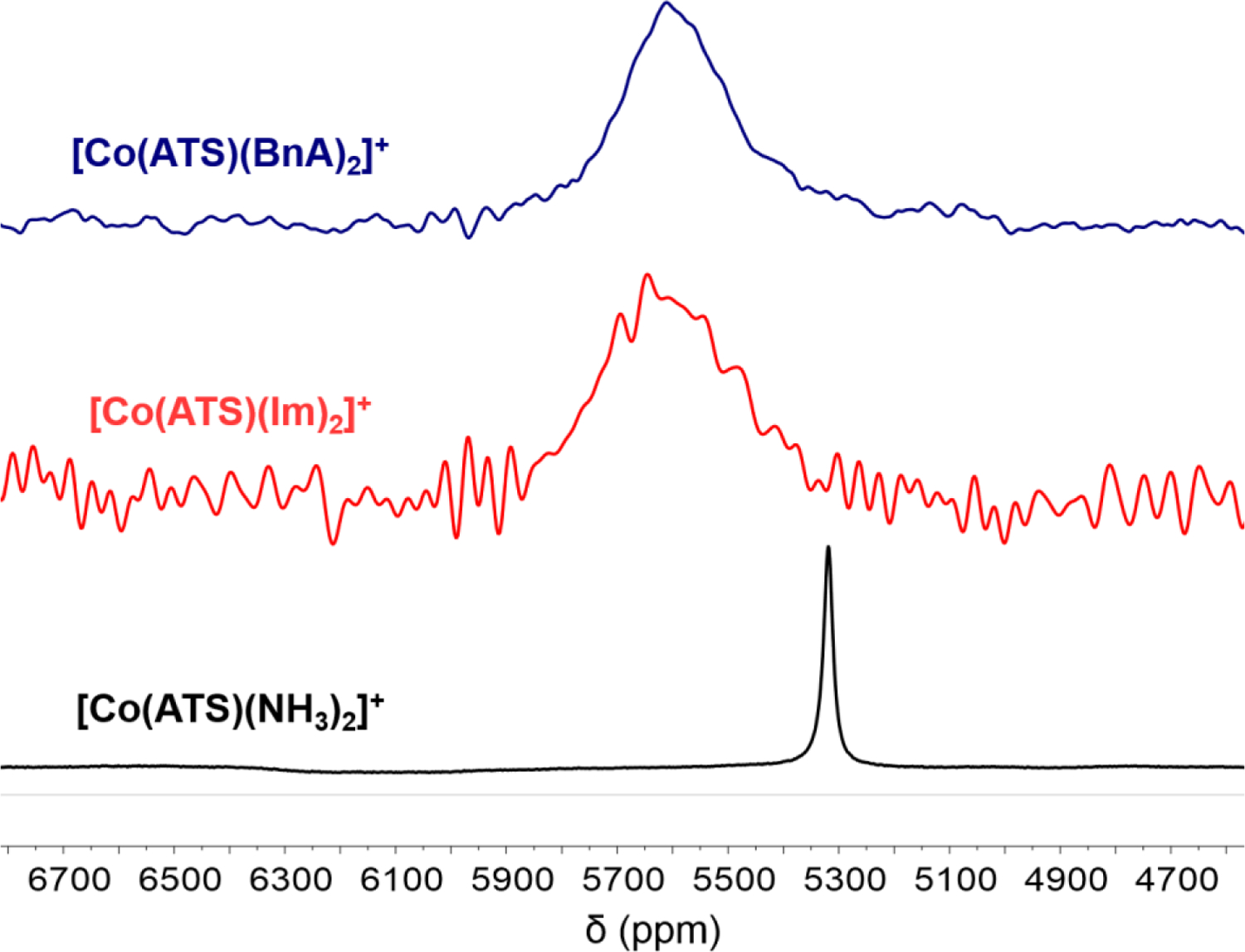
59Co NMR spectra of [Co(ATS)L2]+ complexes in DMSO-d6 at 25 °C obtained at a frequency of 119 MHz. Spectra are referenced to K3[Co(CN)6] in D2O at 0 ppm.
Figure 3.
Figure 3.
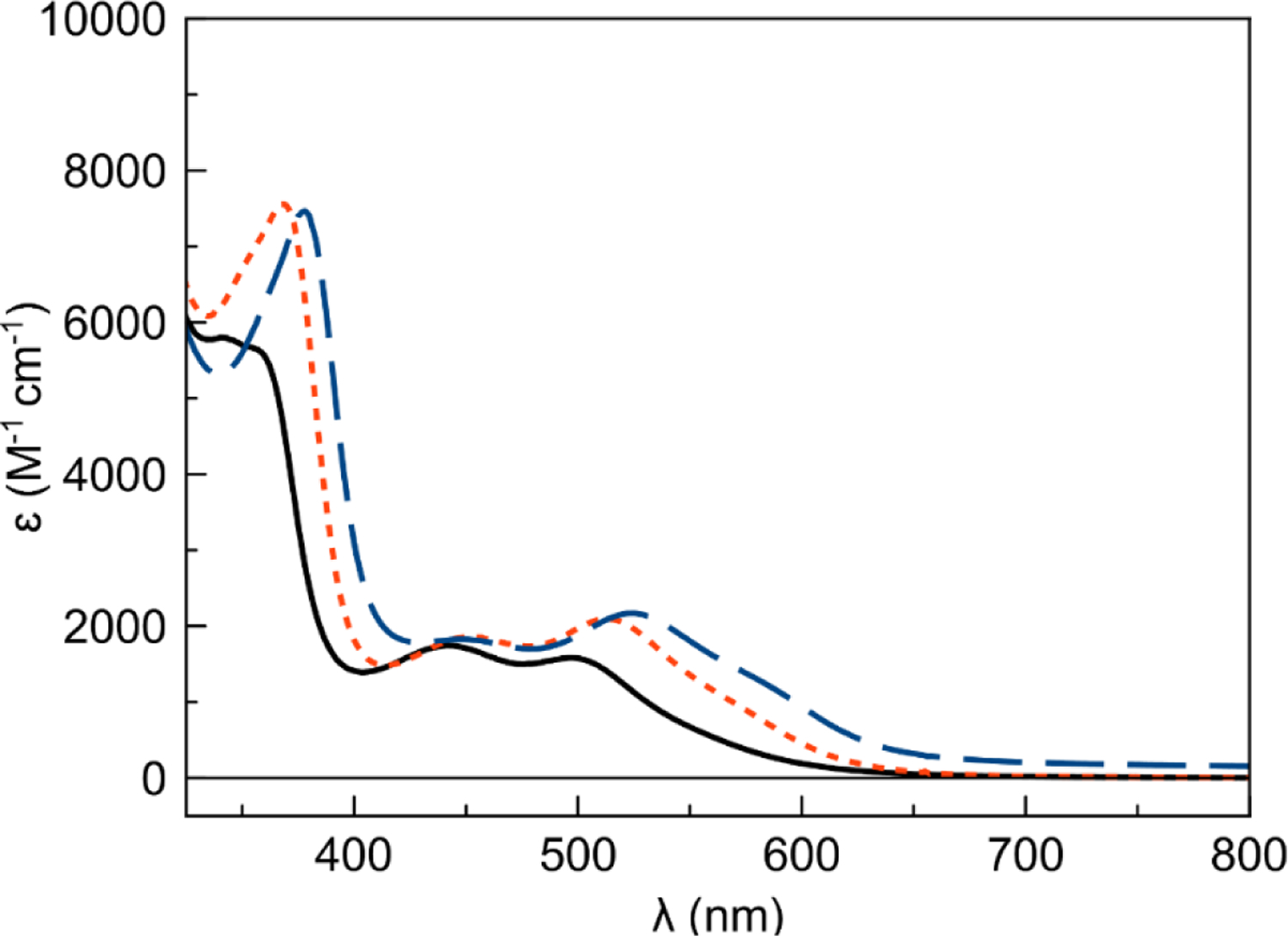
Electronic absorption spectra of [Co(ATS)(NH3)2]+ (solid black line), [Co(PTS)(NH3)2]+ (small orange dashes), and [Co(GTS)(NH3)2]+ (long blue dashes) complexes in pH 7.4 PBS at 25 °C.
Figure 4.
Figure 4.
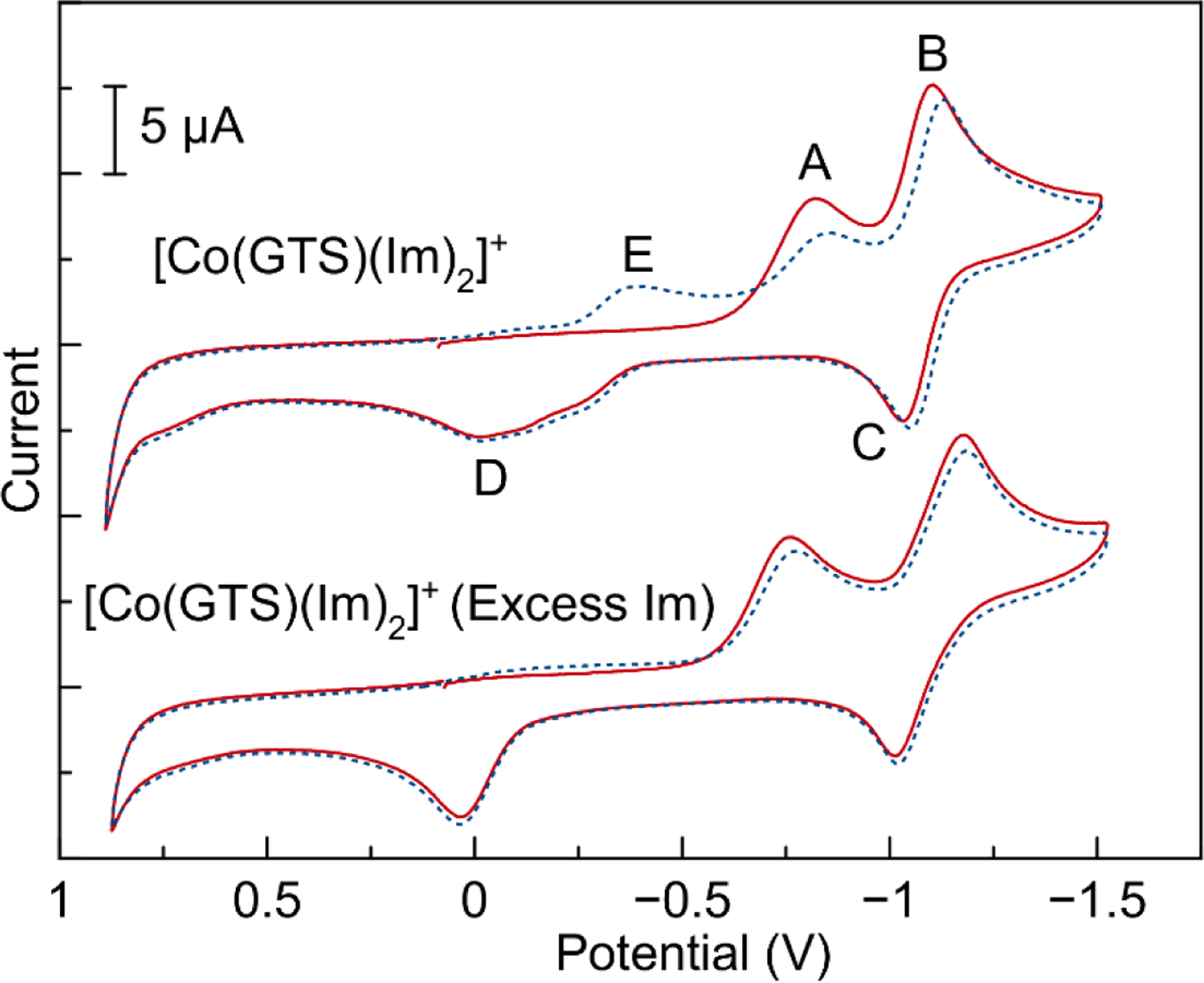
Cyclic voltammogram of [CoGTS(Im)2]+ before (top) and after (bottom) addition of excess imidazole. The first scan is shown as a solid red line, while the second scan is represented by small blue dashes. This experiment was performed at 25 °C in DMF solution with 0.10 M TBAP electrolyte at a scan rate of 100 mV/s. The potential is referenced to SCE, based on the position of the Fc/Fc+ couple as an internal standard.
Figure 5.
Figure 5.
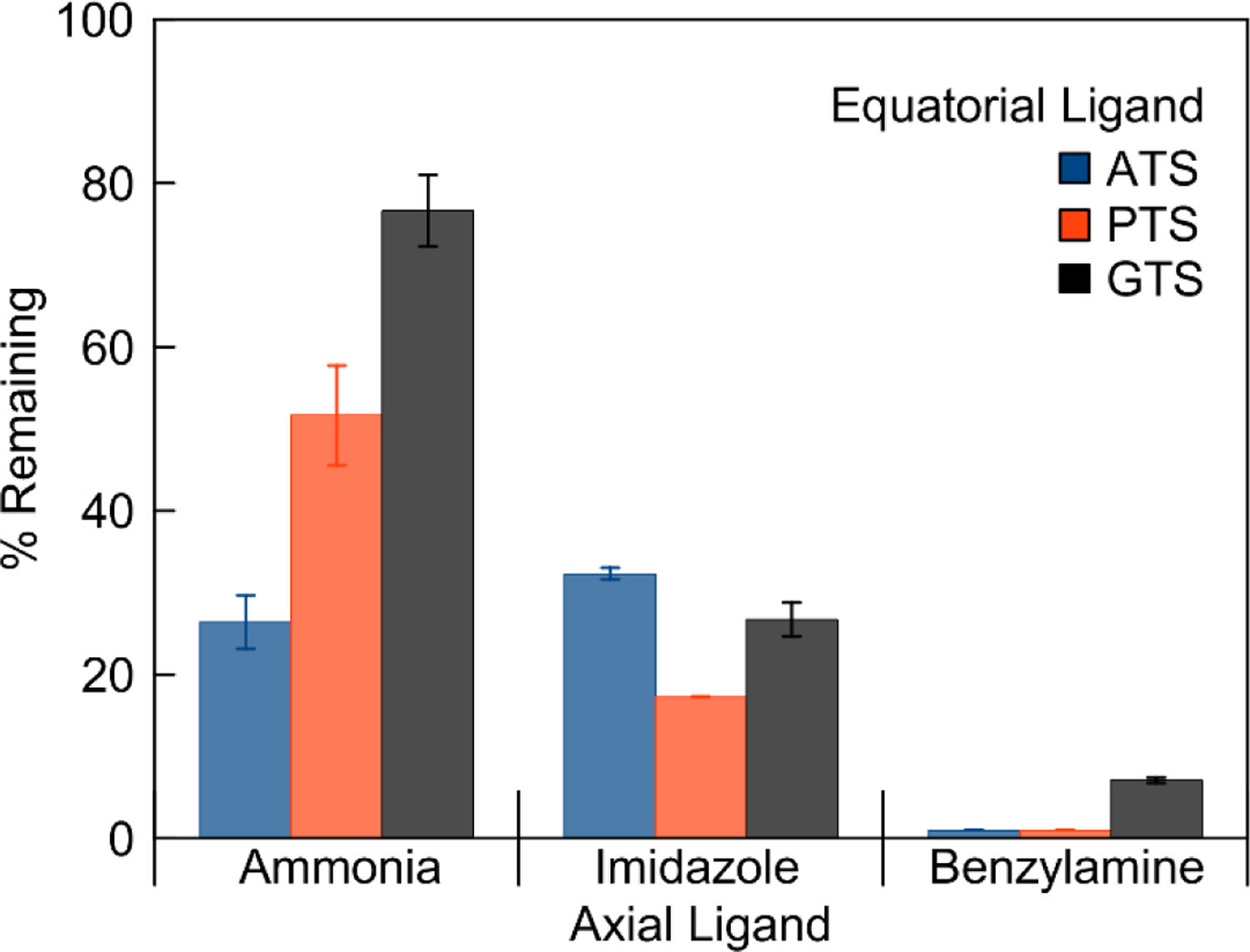
Percent of [Co(BTSC)(L)2]+ remaining in solution after 24 h incubation at 37 °C in PBS as measured by RP–HPLC. Values are the average of two independent experiments. Error bars represent the standard deviation.
Figure 6.
Figure 6.
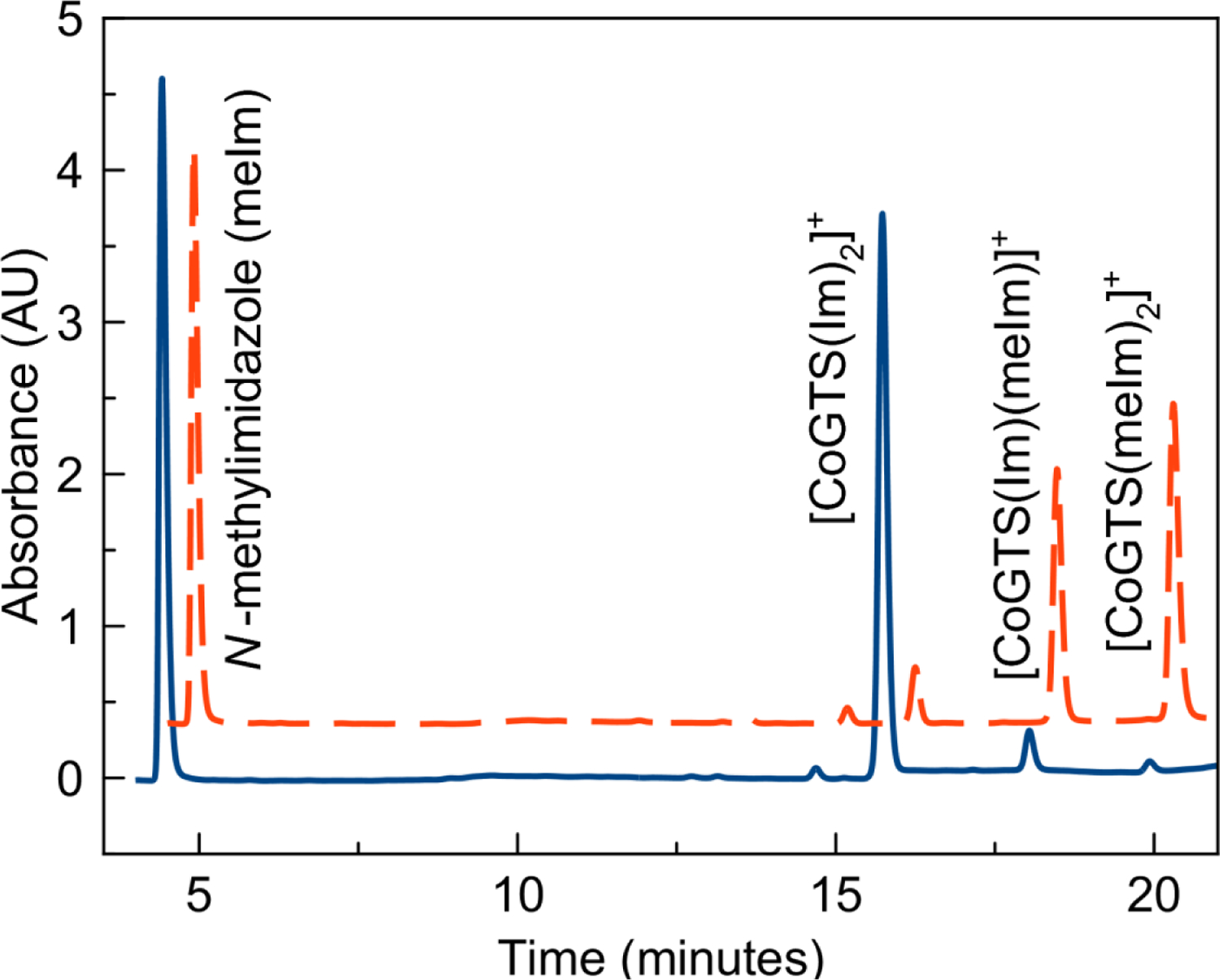
HPLC traces of 1 mM [CoGTS(Im)2]+ incubated with 5 mM N-methylimidazole immediately (solid blue) and 3 h (red dashes) after mixing. The 3-h trace is shifted up and to the right relative to the initial trace for clarity.
Figure 7.
Figure 7.
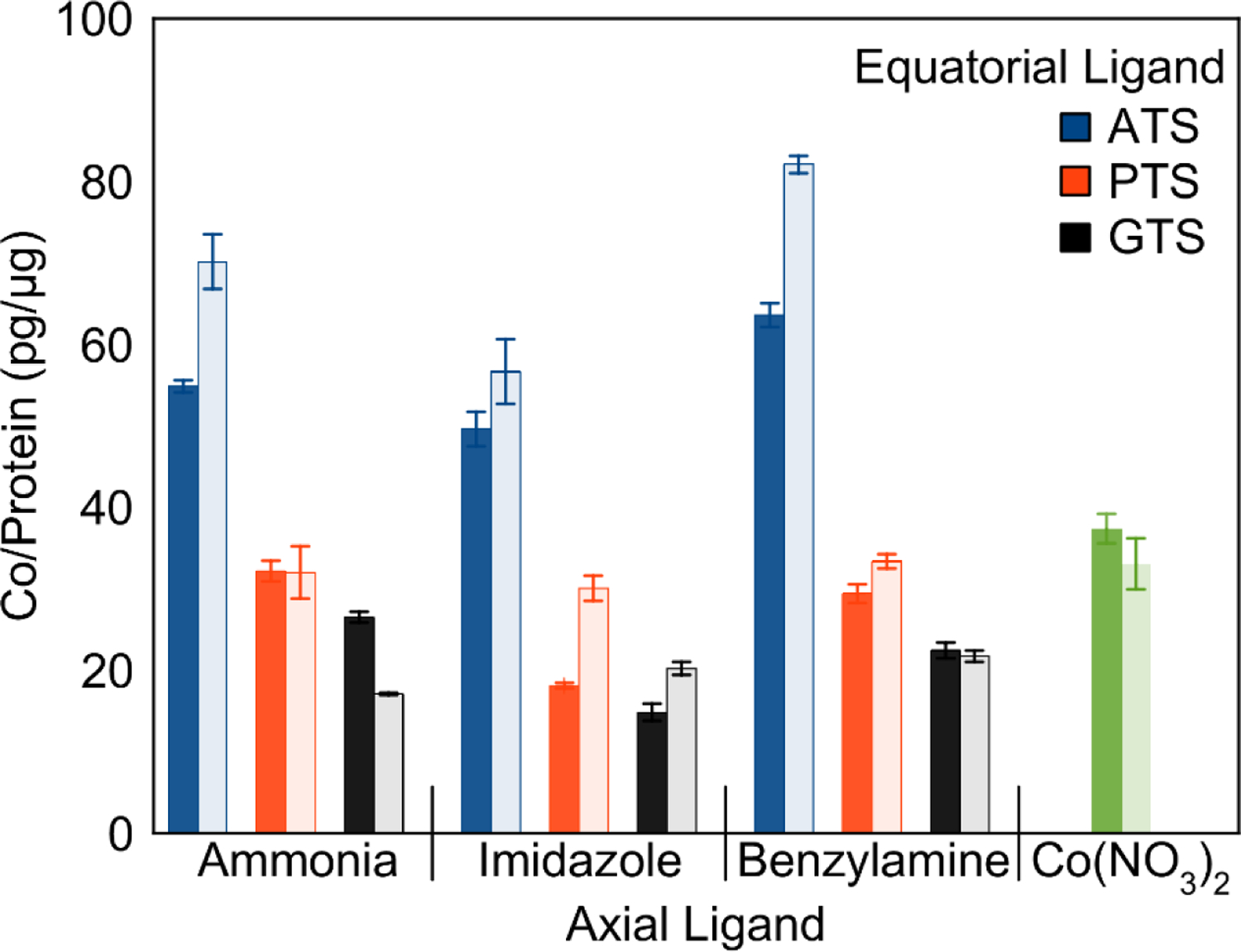
Uptake of [Co(BTSC)(L)2]+ complexes in normoxic (dark fill) and hypoxic (light fill) conditions. Bars indicate the mass ratio of cobalt to protein (pg/μg) in each sample after 24-h incubation with 100 μM Co complex. Results are the average of three samples for each complex.
Figure 8.
Figure 8.
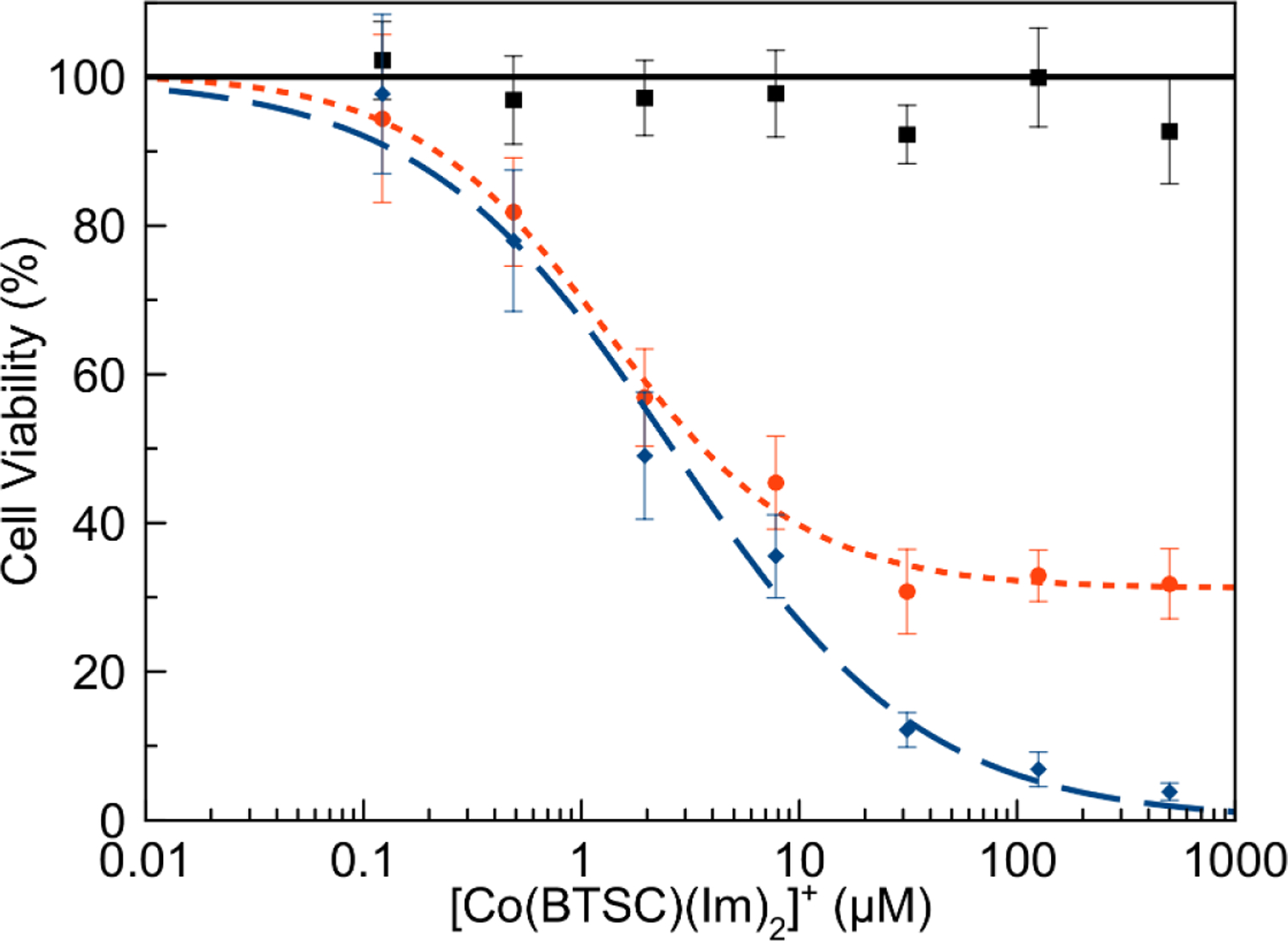
Effect of [Co(BTSC)(Im)2]+ complex concentration on A549 cell viability as measured by the MTT assay for [Co(ATS)(Im)2]+ (solid black line, square marker), [Co(PTS)(Im)2]+ (small-dashed orange line, circle marker), and [Co(GTS)(Im)2]+ (broad blue dashed line, diamond marker).
Figure 9.
Figure 9.
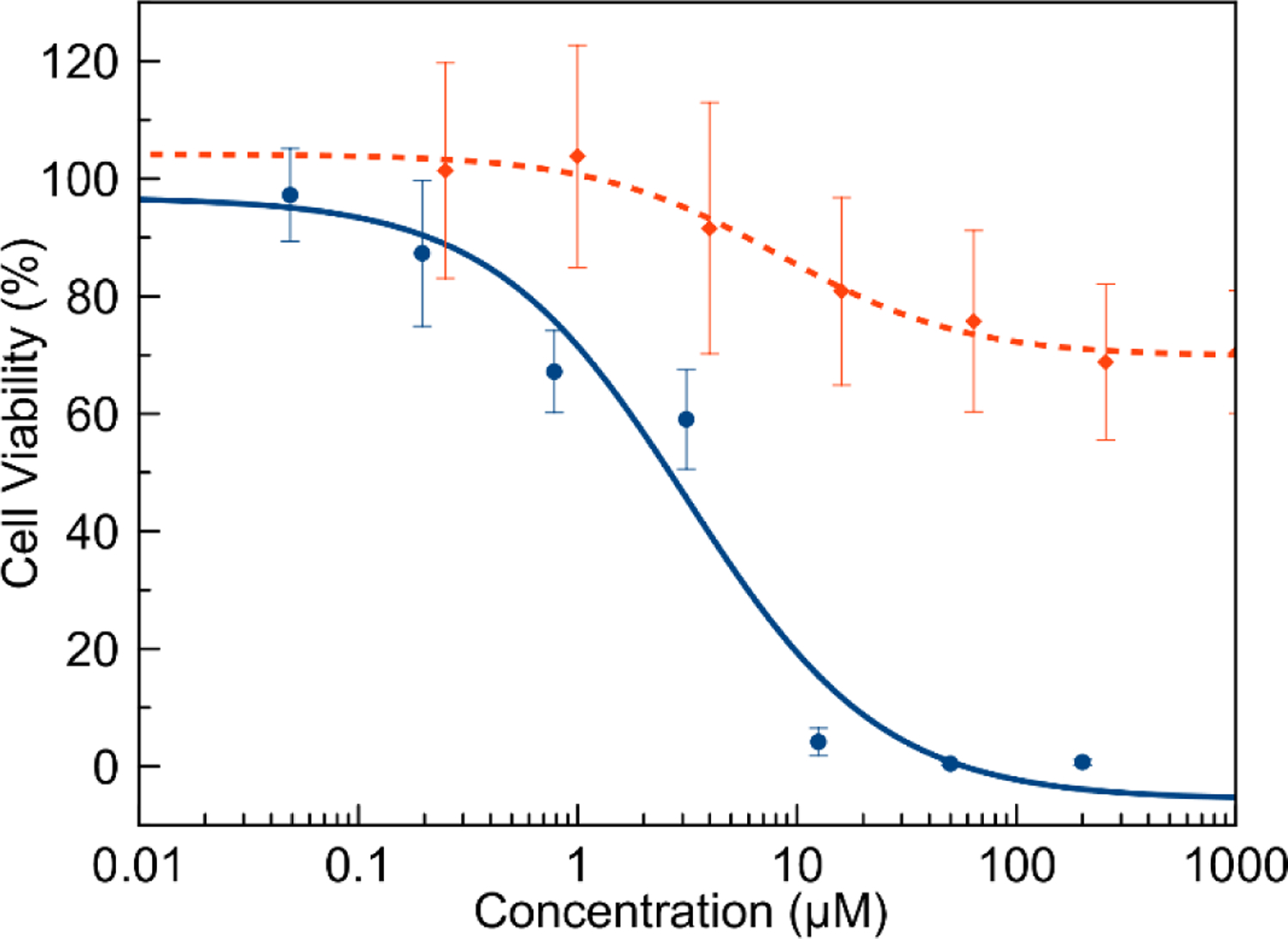
Dose-response curves of cisplatin (solid blue line, circular marker) and [Co(GTS)(NH3)2]+ (orange dashes, diamond marker) in MRC-5 (normal lung fibroblast) cells.
Figure 10.
Figure 10.
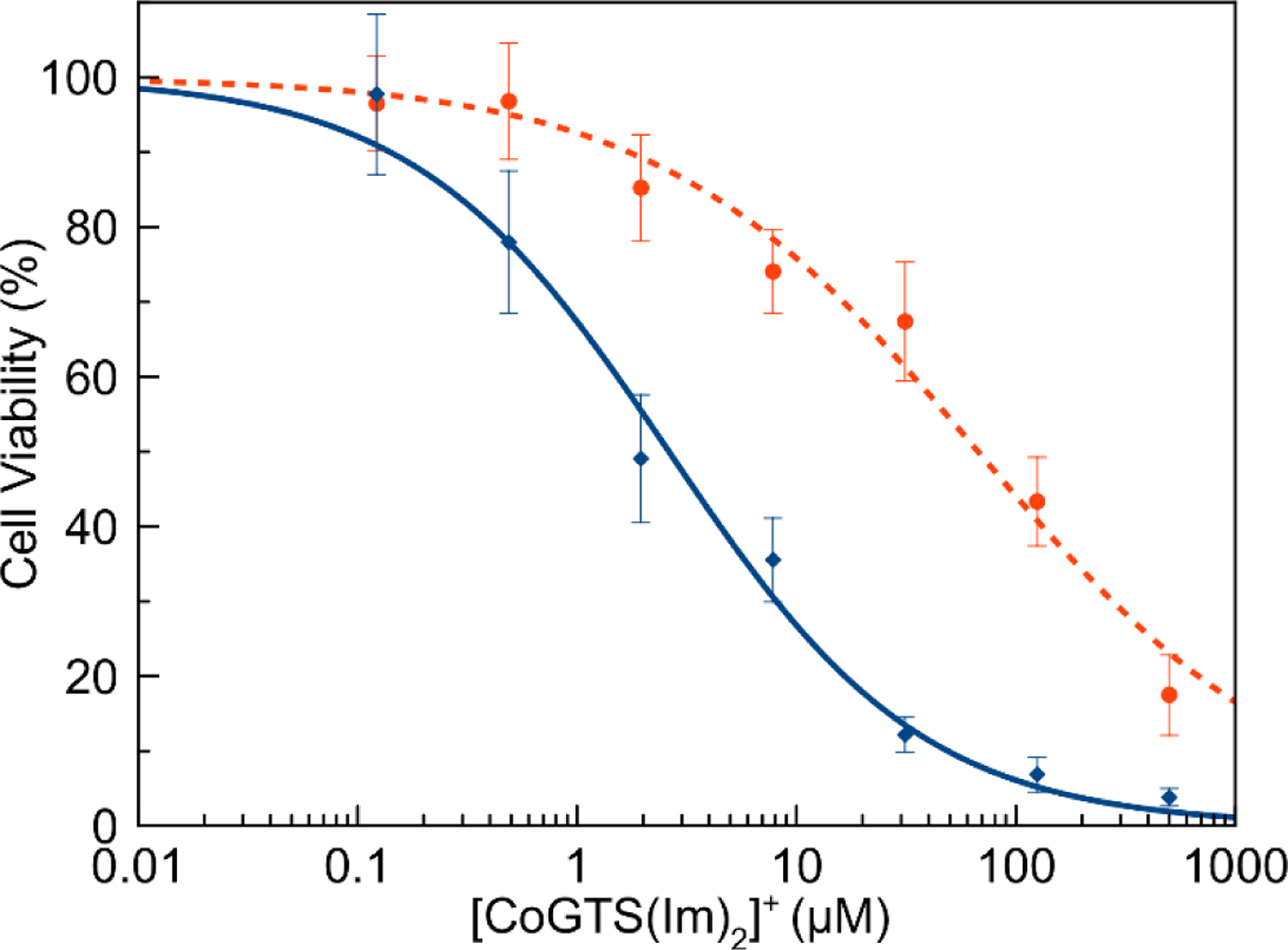
Effect of [CoGTS(Im)2]+ complex concentration on A549 cell viability in the presence (dashed line, circular marker) and absence (solid blue line, diamond marker) of TM.
Chart 1.
Chart 1.
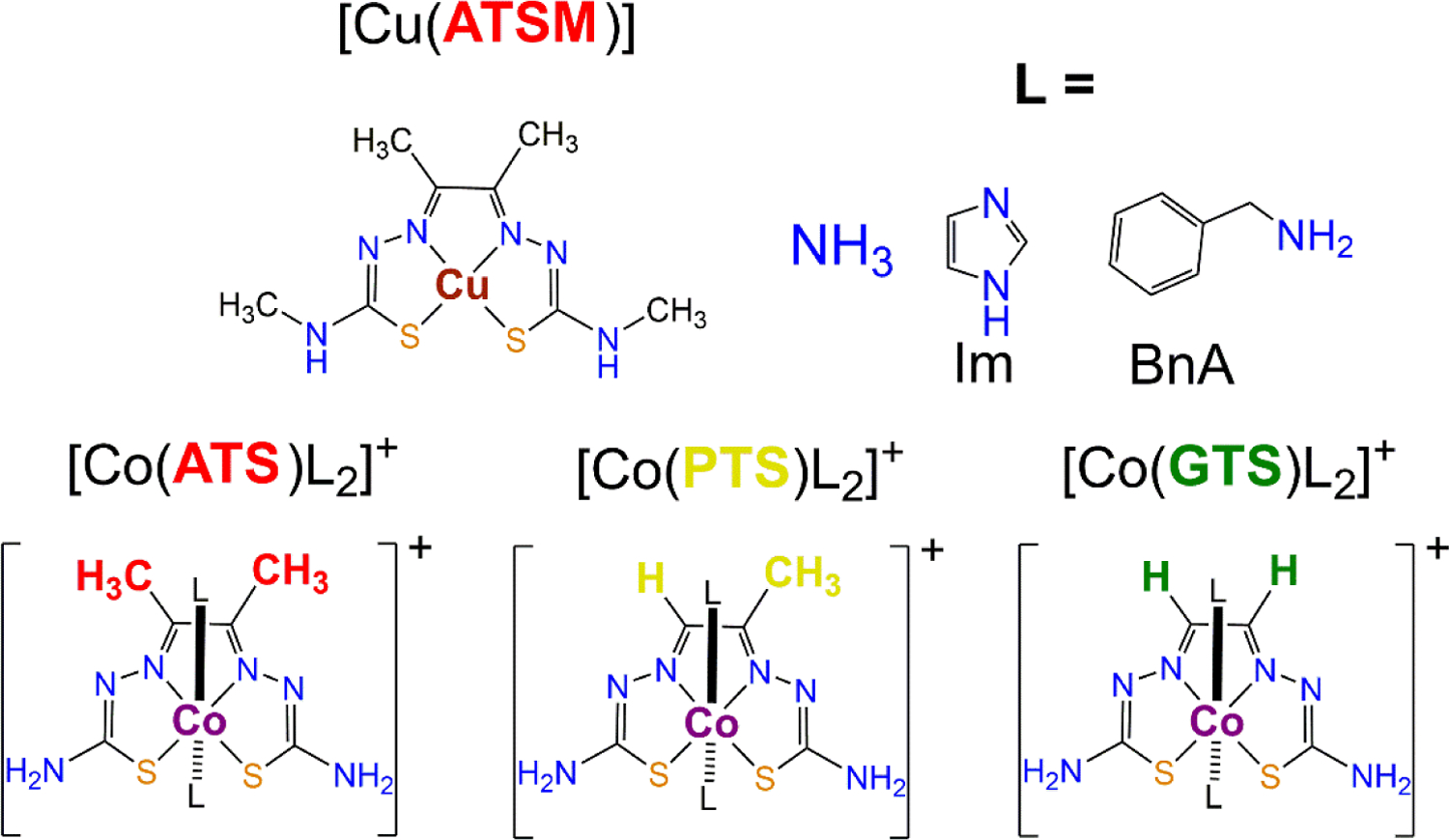
Structures of Cu[(ATSM)] and the [Co(BTSC)(L)2]+ Complexes Investigated in this Work.
Scheme 1.
Scheme 1.
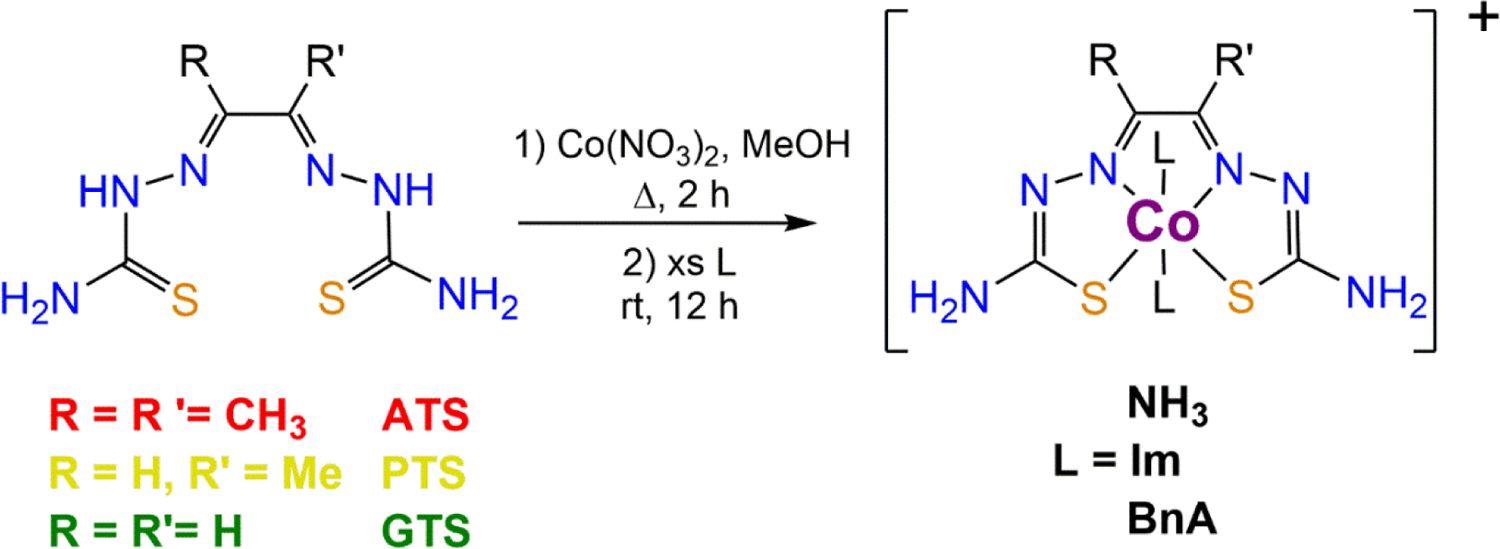
Synthesis of Cobalt(III) Bis(thiosemicarbazone) Complexes.

References

    1. Abu-Surrah A; Kettunen M Platinum Group Antitumor Chemistry: Design and Development of New Anticancer Drugs Complementary to Cisplatin. Curr. Med. Chem 2006, 13, 1337–1357. - PubMed
    1. Johnstone TC; Wilson JJ; Lippard SJ Monofunctional and Higher-Valent Platinum Anticancer Agents. Inorg. Chem 2013, 52, 12234–12249. - PMC - PubMed
    1. Wilson JJ; Lippard SJ Synthetic Methods for the Preparation of Platinum Anticancer Complexes. Chem. Rev 2014, 114, 4470–4495. - PMC - PubMed
    1. Daugaard G; Abildgaard U Cisplatin Nephrotoxicity. A Review. Cancer Chemother. Pharmacol 1989, 25, 1–9. - PubMed
    1. Cvitkovic E Cumulative Toxicities from Cisplatin Therapy and Current Cytoprotective Measures. Cancer Treat. Rev 1998, 24, 265–281. - PubMed

MeSH terms