


Structural and mechanical functions of integrins
- PMID: 28510180
- PMCID: PMC5418412
- DOI: 10.1007/s12551-013-0124-0
Structural and mechanical functions of integrins
Abstract
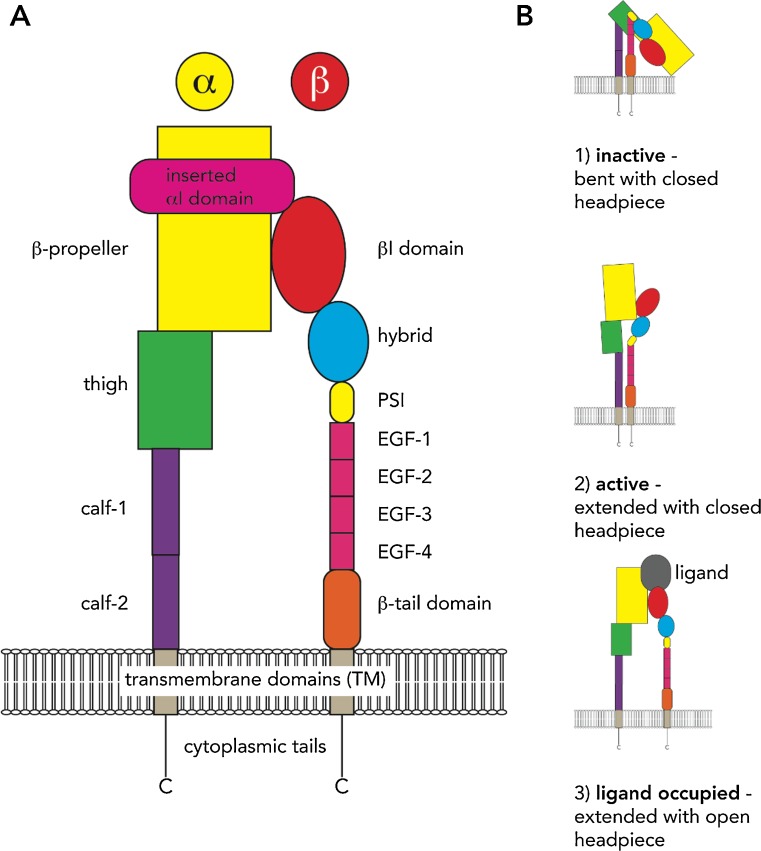
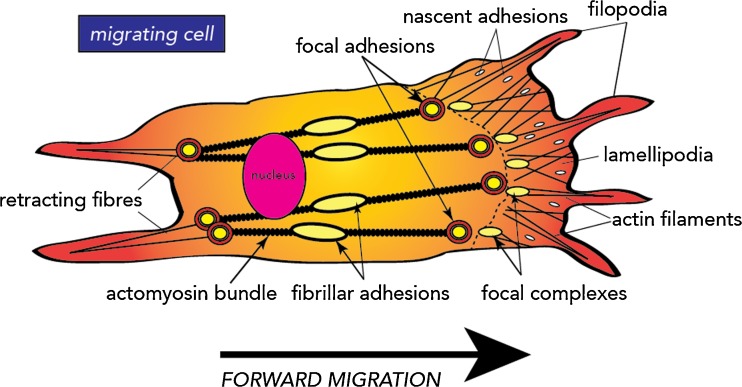
Integrins are ubiquitously expressed cell surface receptors that play a critical role in regulating the interaction between a cell and its microenvironment to control cell fate. These molecules are regulated either via their expression on the cell surface or through a unique bidirectional signalling mechanism. However, integrins are just the tip of the adhesome iceberg, initiating the assembly of a large range of adaptor and signalling proteins that mediate the structural and signalling functions of integrin. In this review, we summarise the structure of integrins and mechanisms by which integrin activation is controlled. The different adhesion structures formed by integrins are discussed, as well as the mechanical and structural roles integrins play during cell migration. As the function of integrin signalling can be quite varied based on cell type and context, an in depth understanding of these processes will aid our understanding of aberrant adhesion and migration, which is often associated with human pathologies such as cancer.
Keywords: Extracellular matrix; Focal adhesion; Inside–out signalling; Integrins; Migration; Outside–in signalling.
Figures
References
-
- Ahmed N, Niu J, Dorahy D, Gu X, Andrews S, Meldrum C, et al. Direct integrin alphavbeta6–ERK binding: implications for tumour growth. Oncogene. 2002;21:1370–1380. - PubMed
Publication types
LinkOut - more resources
Full Text Sources
Other Literature Sources
