


Membranectomy in Chronic Subdural Hematoma: Meta-Analysis
- PMID: 28512051
- PMCID: PMC5541138
- DOI: 10.1016/j.wneu.2017.05.030
Membranectomy in Chronic Subdural Hematoma: Meta-Analysis
Abstract
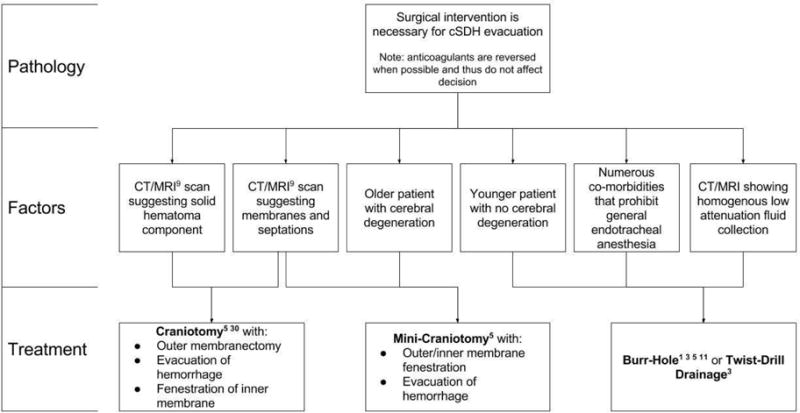
Objective: Initial management strategies of chronic subdural hematoma (cSDH) are controversial and range from bedside twist-drill or burr-hole drainage to craniotomy with membranectomy (CWM). We aim to 1) perform a meta-analysis of the available data on the outcomes of CWM for treatment of cSDH in published English-language literature and 2) evaluate collective outcomes of CWM with respect to morbidity, mortality, and recurrence rates.
Methods: A search of English-language literature performed in PubMed, Ovid, and Cochrane databases using key words ("subdural hematoma" or "chronic subdural hematoma") and ("membrane" or "membranectomy") from inception to December 2016 was conducted. Studies reporting outcomes of CWM in cSDH were included. Mortality, morbidity, follow-up duration, and recurrence rate data were extracted and analyzed. Pooled estimates and confidence intervals (CIs) were calculated for all outcomes using a random-effects model.
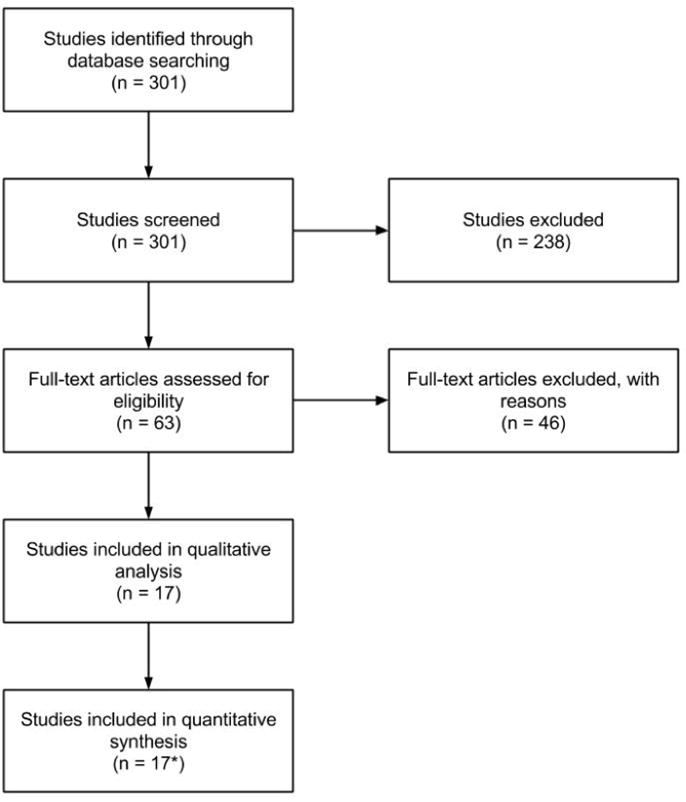
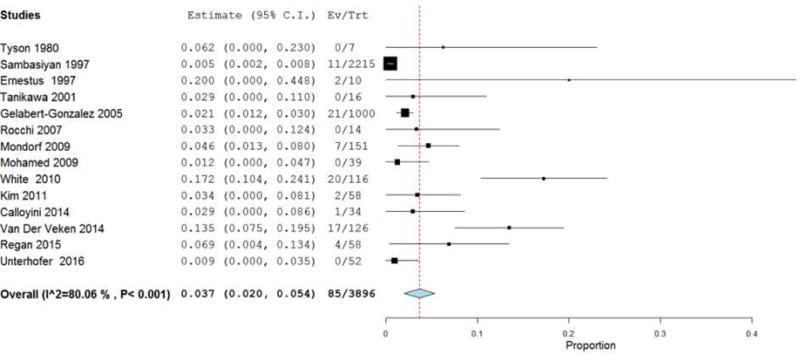
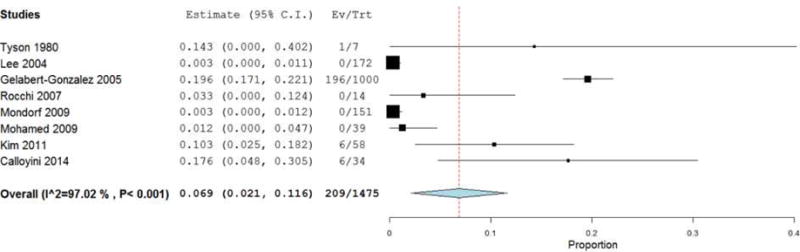
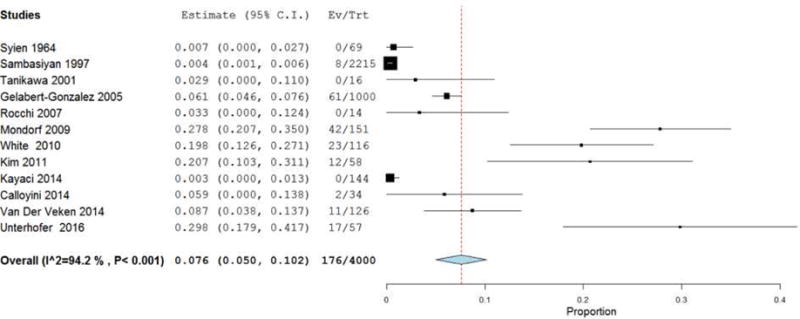
Results: Of 301 articles found, 17 articles containing 5369 patients met our eligibility criteria. Mean follow-up duration ranged from 1-30.8 months. Collective mean mortality and morbidity rates were 3.7% and 6.9%, respectively (95% CI 2-5.4% and 2.1-11.6%; P < 0.001 and P = 0.004). The collective mean recurrence rate was 7.6% (95% CI: 5%-10.2%; P < 0.001).
Conclusions: Clinical data on outcomes of CWM in cSDH are limited to single institutional analyses, with considerable variation in recurrence rates and follow-up time. The rates we reported are comparable with the 5% mortality and 3%-12% morbidity rates and lower than the 10%-21% recurrence rate in the literature for burr holes or craniotomy without membranectomy. This meta-analysis provides an in-depth analysis of available data and reviews reported outcomes.
Keywords: Craniotomy; Membranectomy; Neurosurgery; Subdural hematoma; Traumatic brain injury.
Copyright © 2017 Elsevier Inc. All rights reserved.
Conflict of interest statement
The authors report no conflict of interest concerning the materials or methods used in this study or the findings specified in this paper.
Figures
References
-
- Gelabert-González M, Iglesias-Pais M, García-Allut A, Martínez-Rumbo R. Chronic subdural haematoma: surgical treatment and outcome in 1000 cases. Clinical Neurology and Neurosurgery. 2005;107(3):223–229. - PubMed
-
- Putnam T, Cushing H. Chronic subdural hematoma: Its pathology, its relation to pachymeningitis hemorrhagica and its surgical treatment. Archives of Surgery. 1925;11(3):329–393.
-
- Markwalder TM. Chronic subdural hematomas: a review. J Neurosurg. 1981;54(5):637–645. - PubMed
-
- Pevehouse BC, Bloom WH, Mc KW. Ophthalmologic aspects of diagnosis and localization of subdural hematoma. An analysis of 389 cases and review of the literature. Neurology. 1960;10:1037–1041. - PubMed
-
- Svien Hendrik J, Gelety Joseph E. On the Surgical Management of Encapsulated Subdural Hematoma. Journal of Neurosurgery. 1964;21(3):172–177. - PubMed
Publication types
MeSH terms
Grants and funding
LinkOut - more resources
Full Text Sources
Other Literature Sources
Miscellaneous
