Infiltrating Myeloid Cells Exert Protumorigenic Actions via Neutrophil Elastase
- PMID: 28512253
- PMCID: PMC5581693
- DOI: 10.1158/1541-7786.MCR-17-0003
Infiltrating Myeloid Cells Exert Protumorigenic Actions via Neutrophil Elastase
Abstract
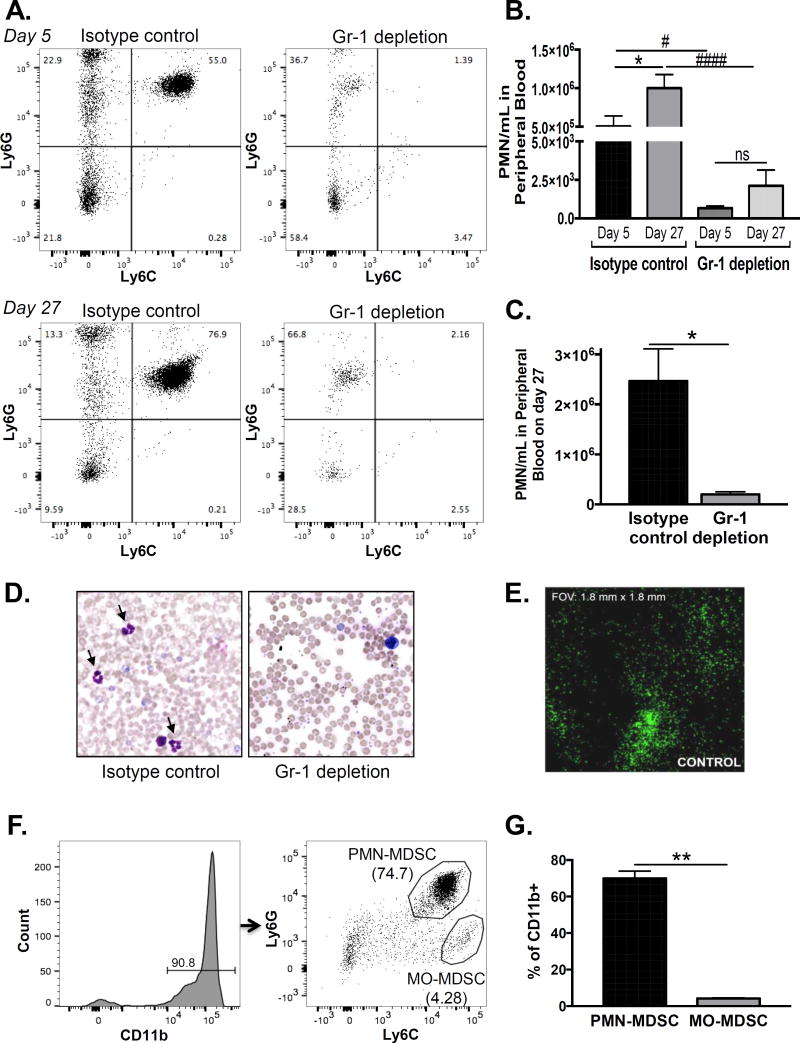
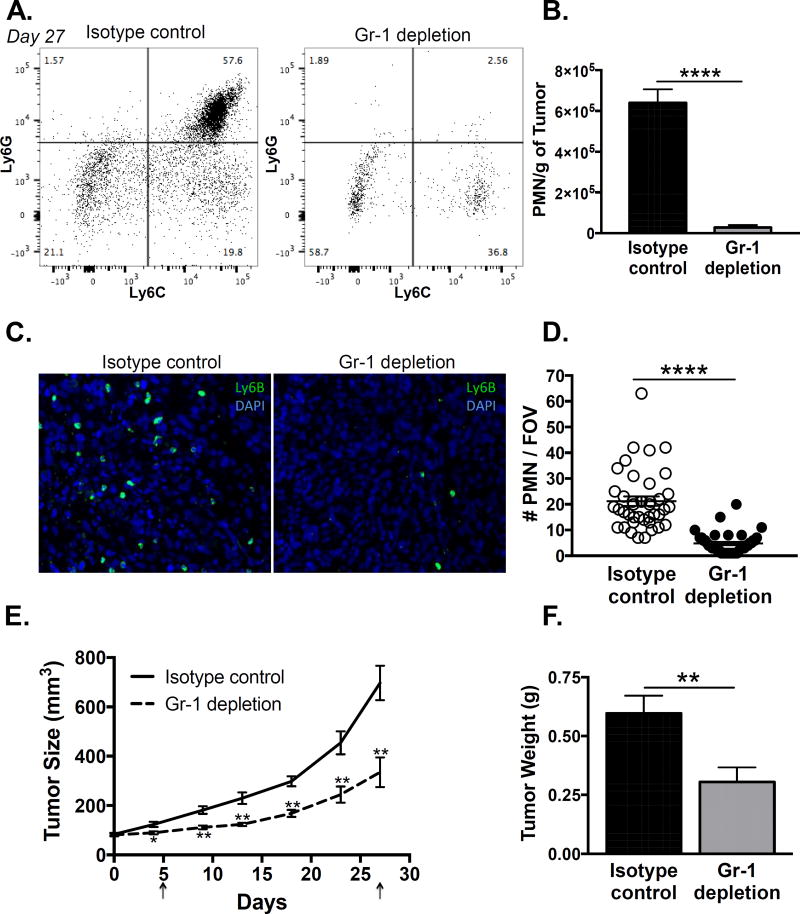
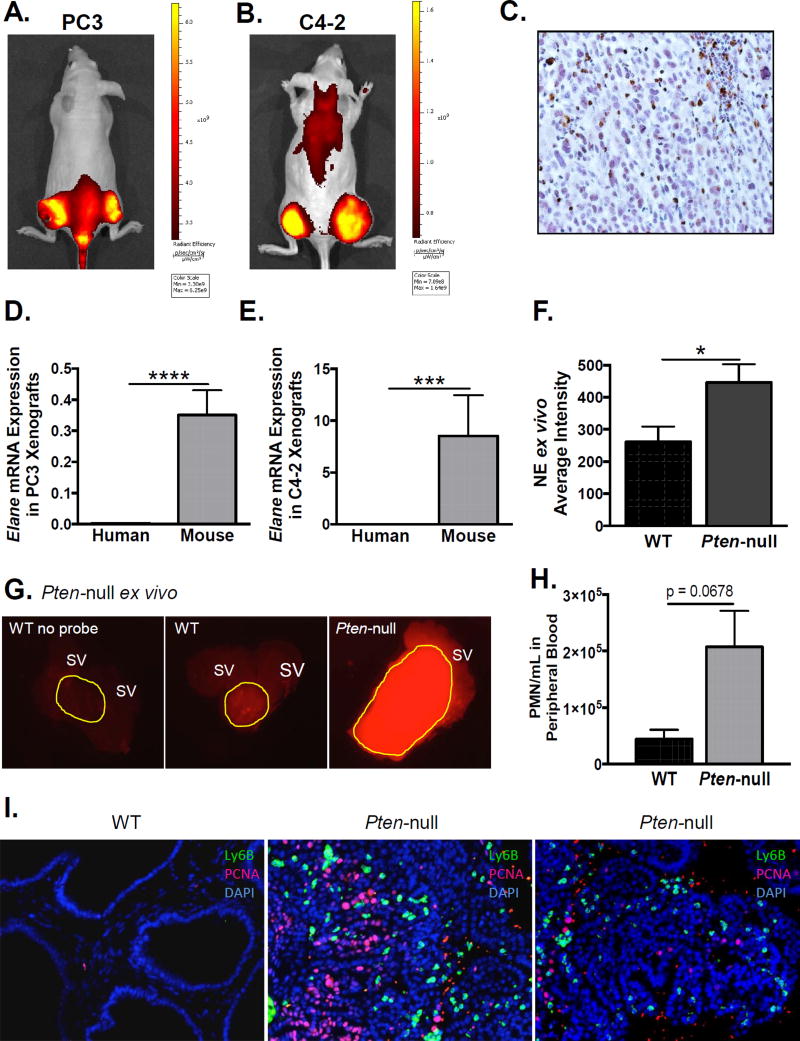
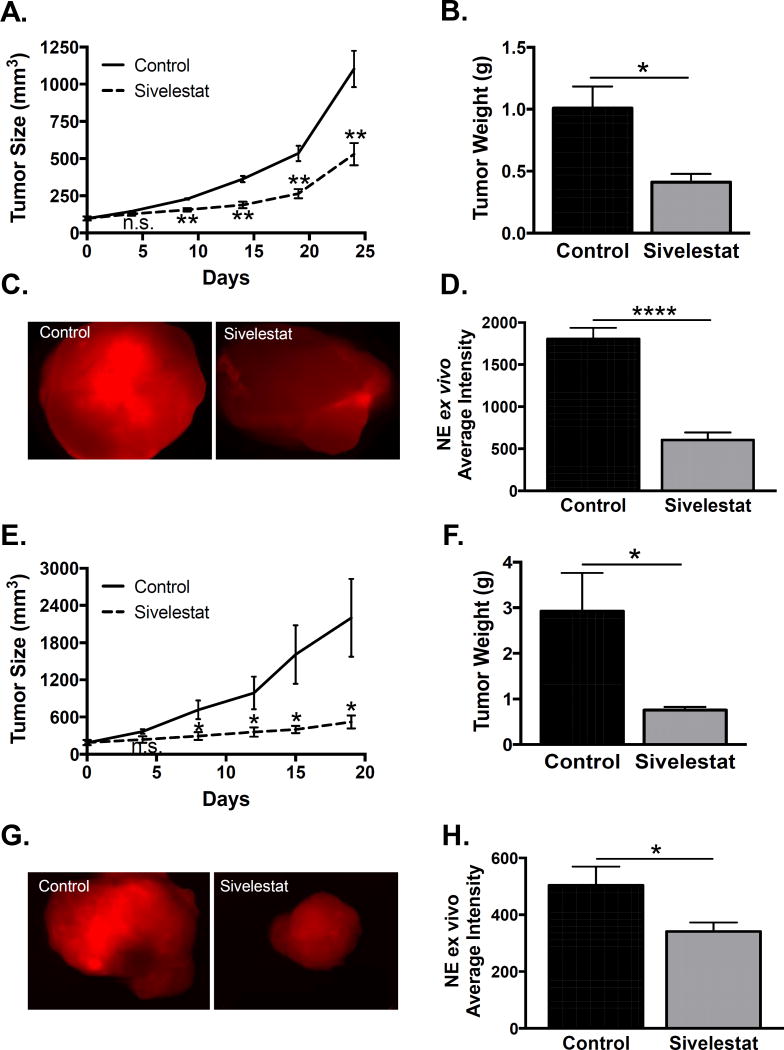
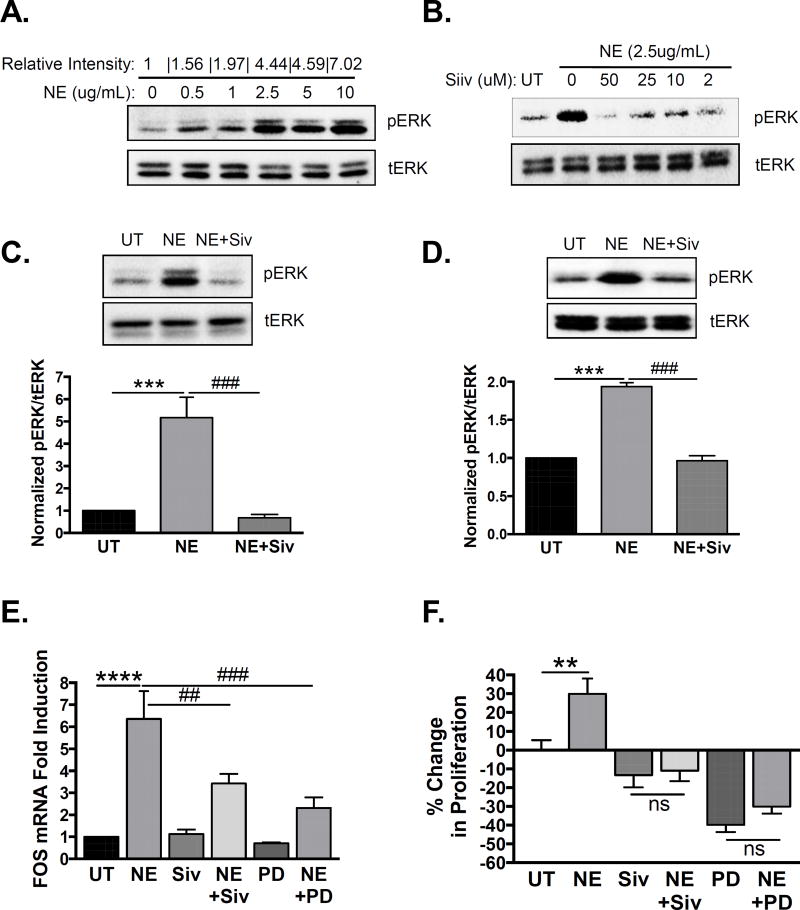
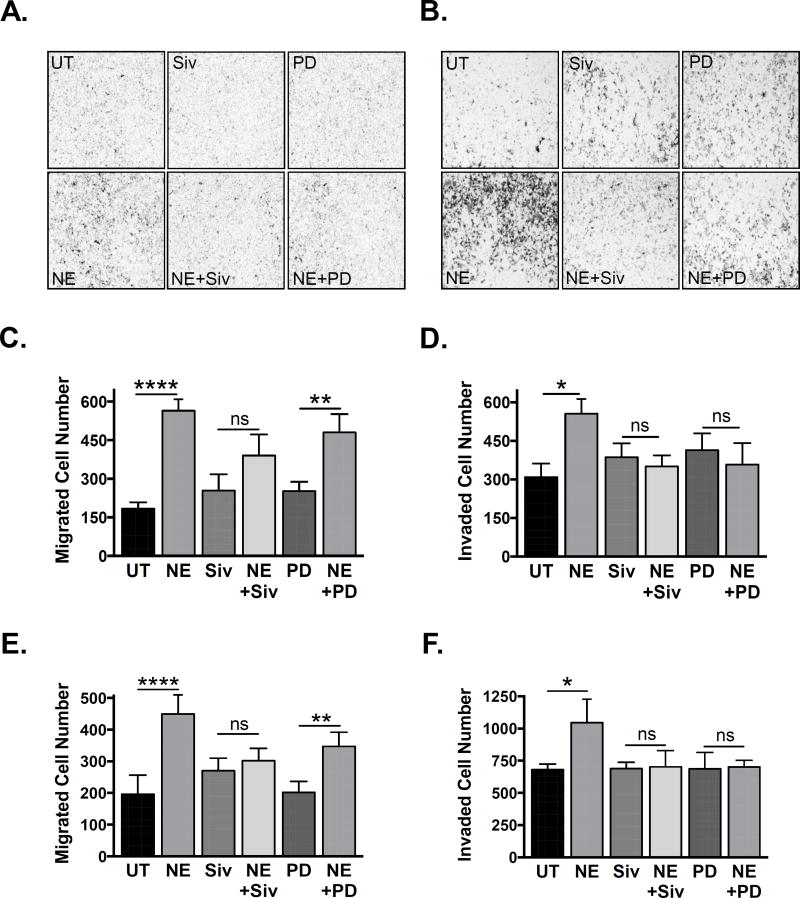
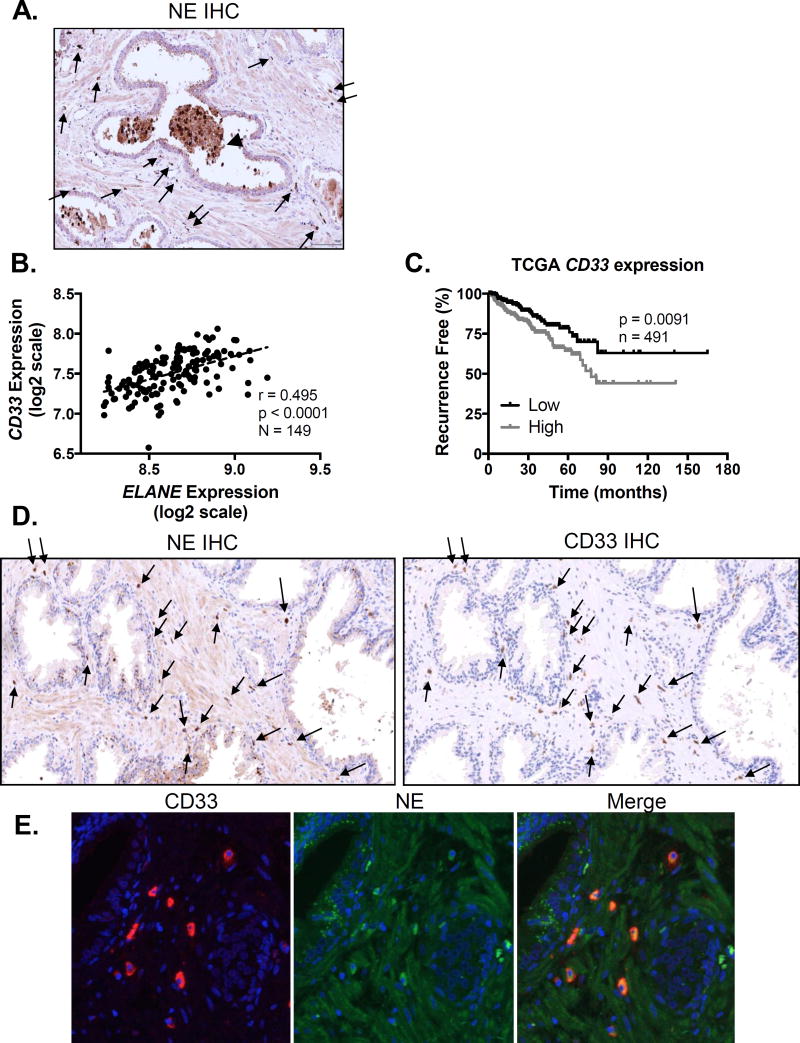
Tissue infiltration and elevated peripheral circulation of granulocytic myeloid-derived cells is associated with poor outcomes in prostate cancer and other malignancies. Although myeloid-derived cells have the ability to suppress T-cell function, little is known about the direct impact of these innate cells on prostate tumor growth. Here, it is reported that granulocytic myeloid-derived suppressor cells (MDSC) are the predominant tumor-infiltrating cells in prostate cancer xenografts established in athymic nude mice. MDSCs significantly increased in number in the peripheral circulation as a function of xenograft growth and were successfully depleted in vivo by Gr-1 antibody treatment. Importantly, MDSC depletion significantly decreased xenograft growth. We hypothesized that granulocytic MDSCs might exert their protumorigenic actions in part through neutrophil elastase (ELANE), a serine protease released upon granulocyte activation. Indeed, it was determined that NE is expressed by infiltrating immune cells and is enzymatically active in prostate cancer xenografts and in prostate tumors of prostate-specific Pten-null mice. Importantly, treatment with sivelestat, a small-molecule inhibitor specific for NE, significantly decreased xenograft growth, recapitulating the phenotype of Gr-1 MDSC depletion. Mechanistically, NE activated MAPK signaling and induced MAPK-dependent transcription of the proliferative gene cFOS in prostate cancer cells. Functionally, NE stimulated proliferation, migration, and invasion of prostate cancer cells in vitro IHC on human prostate cancer clinical biopsies revealed coexpression of NE and infiltrating CD33+ MDSCs.Implications: This report suggests that MDSCs and NE are physiologically important mediators of prostate cancer progression and may serve as potential biomarkers and therapeutic targets. Mol Cancer Res; 15(9); 1138-52. ©2017 AACR.
©2017 American Association for Cancer Research.
Figures
References
-
- Gurel B, Lucia MS, Thompson IM, Jr, Goodman PJ, Tangen CM, Kristal AR, et al. Chronic inflammation in benign prostate tissue is associated with high-grade prostate cancer in the placebo arm of the prostate cancer prevention trial. Cancer epidemiology, biomarkers & prevention : a publication of the American Association for Cancer Research, cosponsored by the American Society of Preventive Oncology. 2014;23(5):847–56. - PMC - PubMed
-
- Sharma J, Gray KP, Harshman LC, Evan C, Nakabayashi M, Fichorova R, et al. Elevated IL-8, TNF-alpha, and MCP-1 in men with metastatic prostate cancer starting androgen-deprivation therapy (ADT) are associated with shorter time to castration-resistance and overall survival. The Prostate. 2014;74(8):820–8. - PubMed
-
- Shafique K, Proctor MJ, McMillan DC, Qureshi K, Leung H, Morrison DS. Systemic inflammation and survival of patients with prostate cancer: evidence from the Glasgow Inflammation Outcome Study. Prostate cancer and prostatic diseases. 2012;15(2):195–201. - PubMed
Publication types
MeSH terms
Substances
Grants and funding
LinkOut - more resources
Full Text Sources
Other Literature Sources
Medical
Molecular Biology Databases
Research Materials