


Potential Impact of Nutrition on Immune System Recovery from Heavy Exertion: A Metabolomics Perspective
- PMID: 28524103
- PMCID: PMC5452243
- DOI: 10.3390/nu9050513
Potential Impact of Nutrition on Immune System Recovery from Heavy Exertion: A Metabolomics Perspective
Abstract
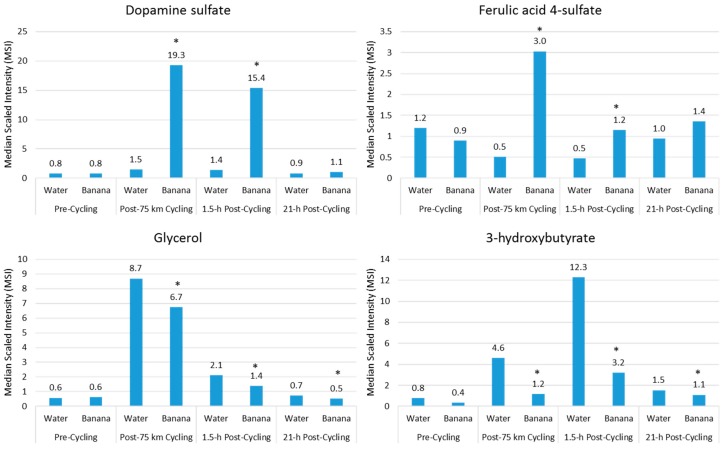
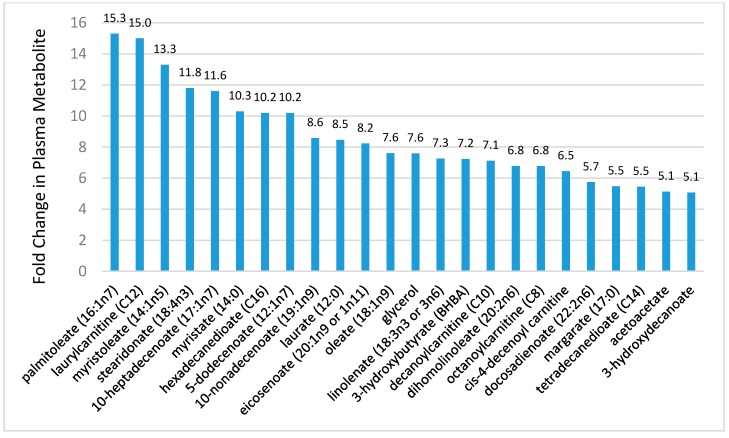
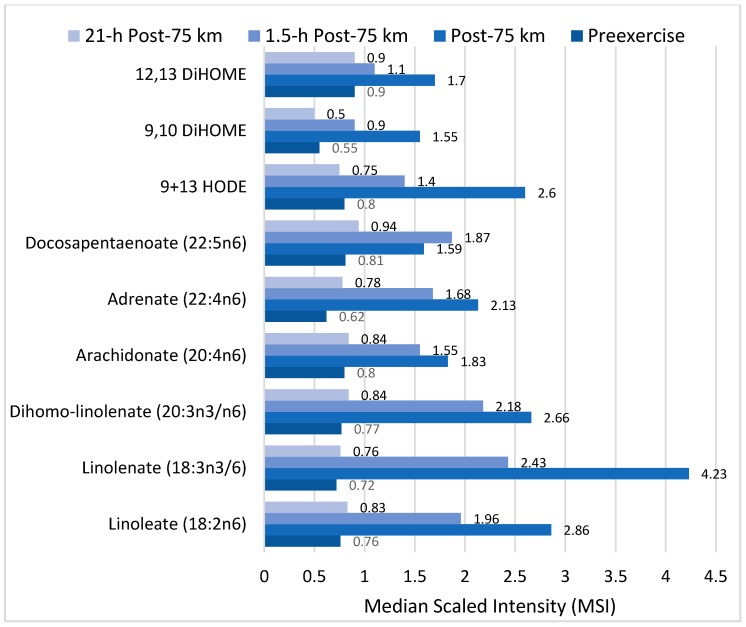
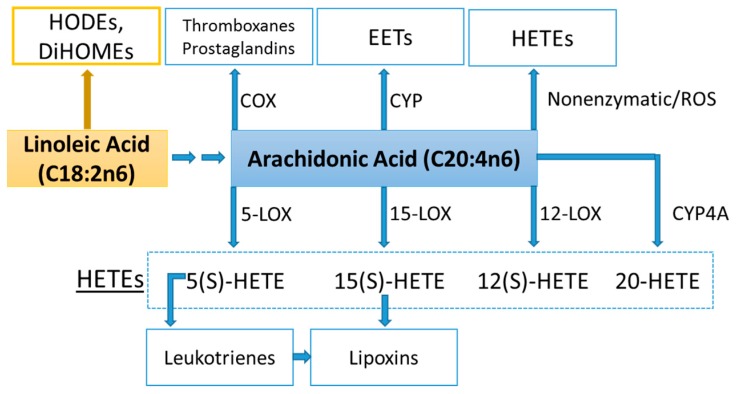
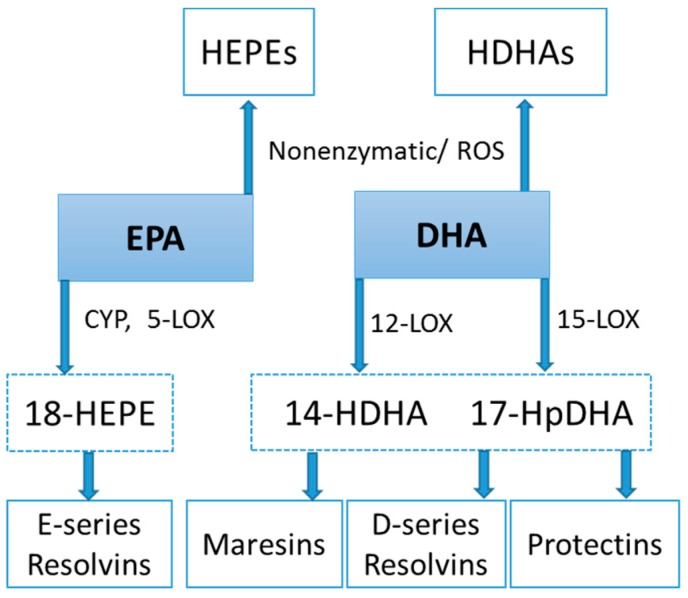
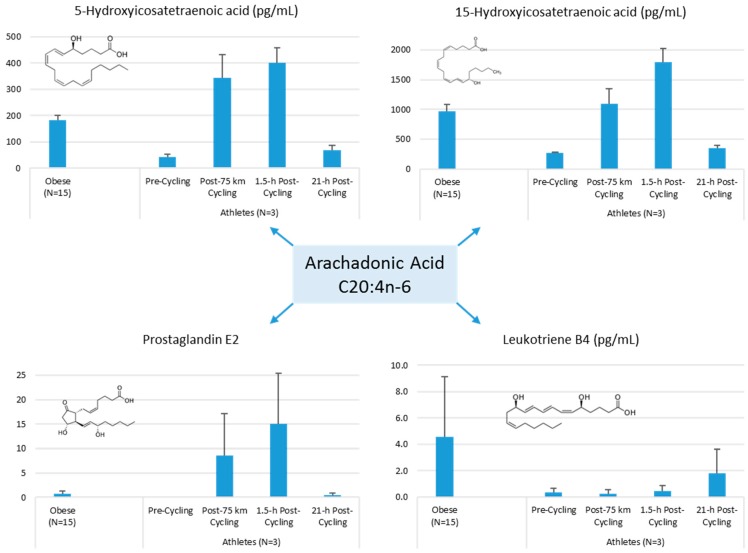
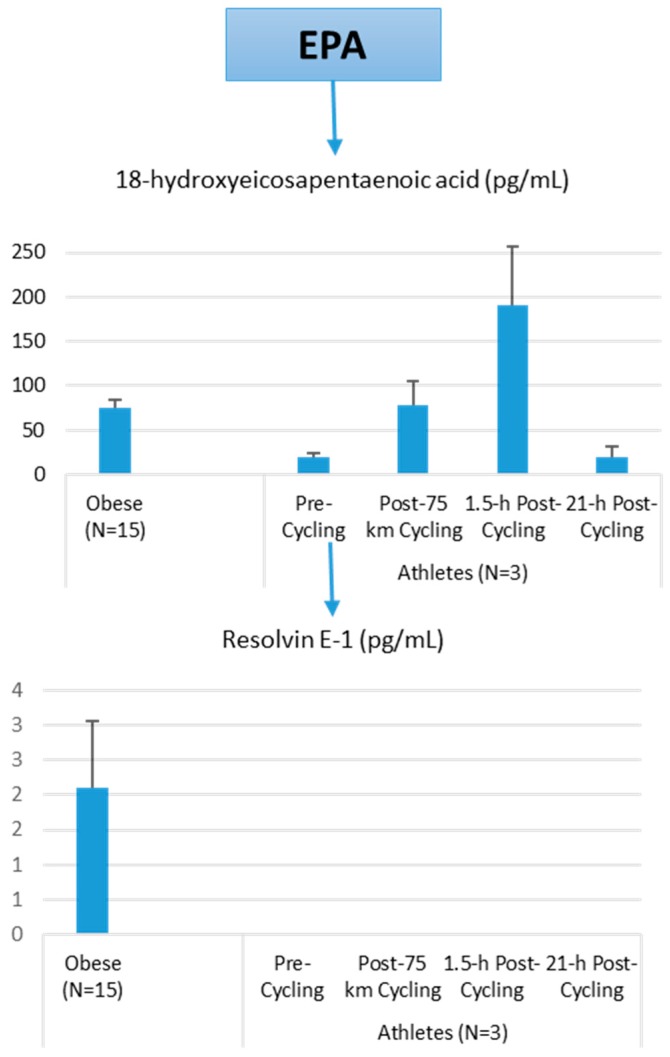
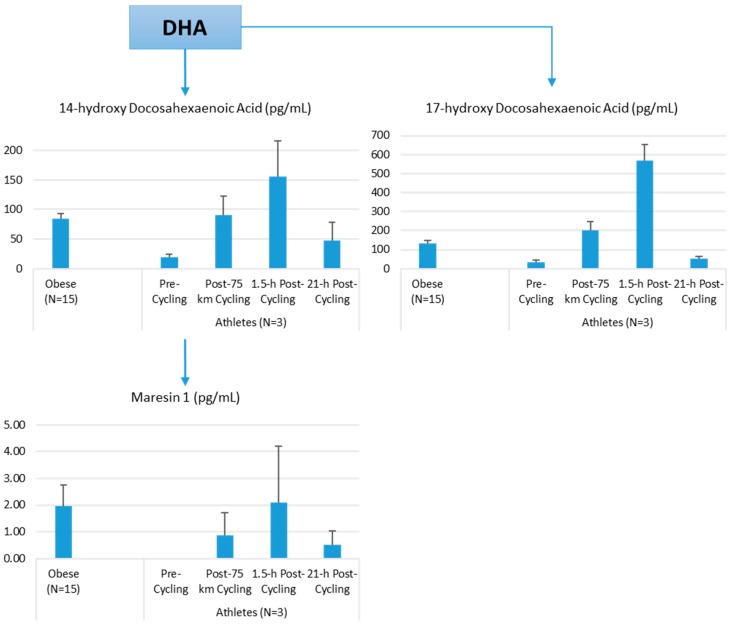
This review describes effective and ineffective immunonutrition support strategies for the athlete, with a focus on the benefits of carbohydrates and polyphenols as determined from metabolomics-based procedures. Athletes experience regular cycles of physiological stress accompanied by transient inflammation, oxidative stress, and immune perturbations, and there are increasing data indicating that these are sensitive to nutritional influences. The most effective nutritional countermeasures, especially when considered from a metabolomics perspective, include acute and chronic increases in dietary carbohydrate and polyphenols. Carbohydrate supplementation reduces post-exercise stress hormone levels, inflammation, and fatty acid mobilization and oxidation. Ingestion of fruits high in carbohydrates, polyphenols, and metabolites effectively supports performance, with added benefits including enhancement of oxidative and anti-viral capacity through fruit metabolites, and increased plasma levels of gut-derived phenolics. Metabolomics and lipidomics data indicate that intensive and prolonged exercise is associated with extensive lipid mobilization and oxidation, including many components of the linoleic acid conversion pathway and related oxidized derivatives called oxylipins. Many of the oxylipins are elevated with increased adiposity, and although low in resting athletes, rise to high levels during recovery. Future targeted lipidomics-based studies will help discover whether n-3-polyunsaturated fatty acid (n-3-PUFA) supplementation enhances inflammation resolution in athletes post-exercise.
Keywords: immune function; immunometabolism; immunonutrition; metabolomics; sports nutrition.
Conflict of interest statement
David C. Nieman is a member of the Nature’s Bounty Co. Scientific Advisory Council, and Susan Hazels Mitmesser is the Director of Nutrition and Scientific Affairs at the Nature’s Bounty Co.
Figures
References
-
- Global Nutrition Report 2016: From Promise to Impact: Ending Malnutrition by 2030. International Food Policy Research Institute (IFPRI); Washington, DC, USA: 2016.
Publication types
MeSH terms
Grants and funding
LinkOut - more resources
Full Text Sources
Other Literature Sources
Medical
