. 2017 Jul 11;8(28):46145-46162.
doi: 10.18632/oncotarget.17574.

Bioinformatics and in vitro experimental analyses identify the selective therapeutic potential of interferon gamma and apigenin against cervical squamous cell carcinoma and adenocarcinoma

Affiliations

Bioinformatics and in vitro experimental analyses identify the selective therapeutic potential of interferon gamma and apigenin against cervical squamous cell carcinoma and adenocarcinoma

Pei-Ming Yang et al. Oncotarget. .

Abstract

The clinical management and treatment of cervical cancer, one of the most commonly diagnosed cancers and a leading cause of cancer-related female death, remains a huge challenge for researchers and health professionals. Cervical cancer can be categorized into two major subtypes: common squamous cell carcinoma (SCC) and adenocarcinoma (AC). Although it is a relatively rare histological subtype of cervical cancer, there has been a steady increase in the incidences of AC. Therefore, new strategies to treat cervical cancer are urgently needed. In this study, the potential uses of IFNγ-based therapy for cervical cancer were evaluated using bioinformatics approaches. Gene expression profiling identified that cell cycle dysregulation was a major hallmark of cervical cancer including SCC and AC subtypes, and was associated with poor clinical outcomes for cervical cancer patients. In silico and in vitro experimental analyses demonstrated that IFNγ treatment could reverse the cervical cancer hallmark and induce cell cycle arrest and apoptosis. Furthermore, we demonstrated that apigenin could enhance the anticancer activity of IFNγ in a HeLa cervical AC cell line by targeting cyclin-dependent kinase 1. Taken together, the present study suggests the selective therapeutic potential of IFNγ alone or in combination with apigenin for managing cervical SCC and AC.

Keywords: cell cycle; cervical cancer; drug repurposing; flavonoid; interferon.


Conflict of interest statement

CONFLICTS OF INTEREST

The authors declare that no conflicts of interest exist.

Figures
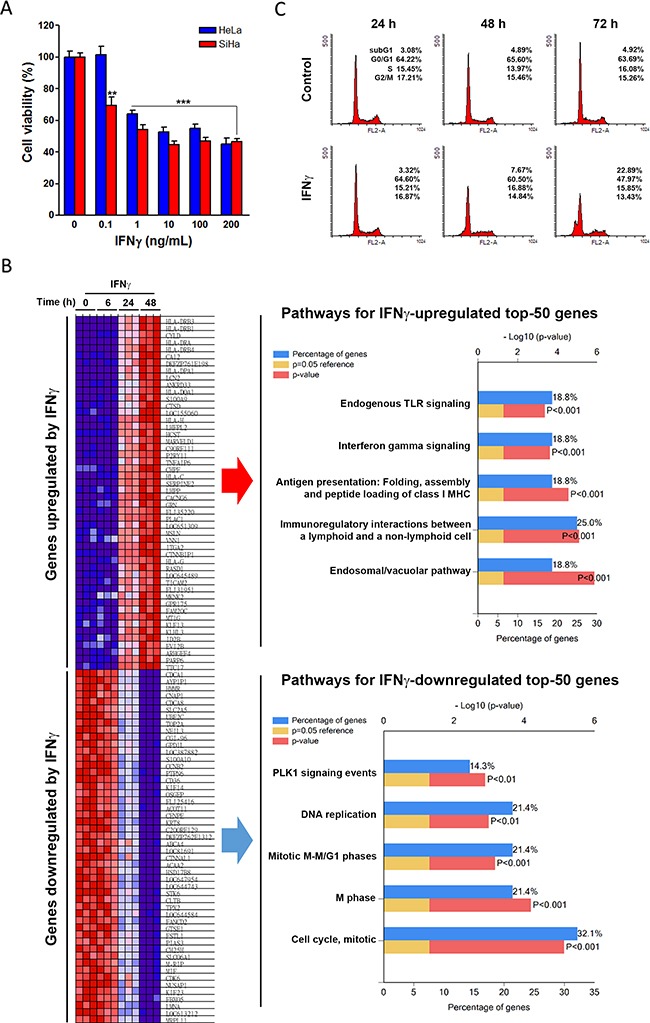
Figure 1
Figure 1. The anticancer effect of IFNγ on cervical cancer
(A) HeLa and SiHa cells were treated with the indicated doses of IFNγ for 72 h, and then cell viability was examined by MTT assay. A p value of < 0.01 (**) or < 0.001(***) indicates significant differences between IFNγ-treated and control cells. (B) The microarray data of IFNγ-treated HeLa cells were analyzed by GSEA. The most upregulated and downregulated genes were illustrated on a heat map. Top-50 genes upregulated and downregulated by IFNγ were further analyzed by the FunRich software for pathway enrichment. Pathways were ranked according to the p value (red bar). A p value lower than 0.05 (yellow bar) was considered significant. The blue bar indicated the percentage of altered genes in a whole pathway. (C) HeLa cells were treated with 100 ng/mL IFNγ for 24, 48, and 72 h, and then cell cycle distribution was examined by flow cytometry.
Figure 2
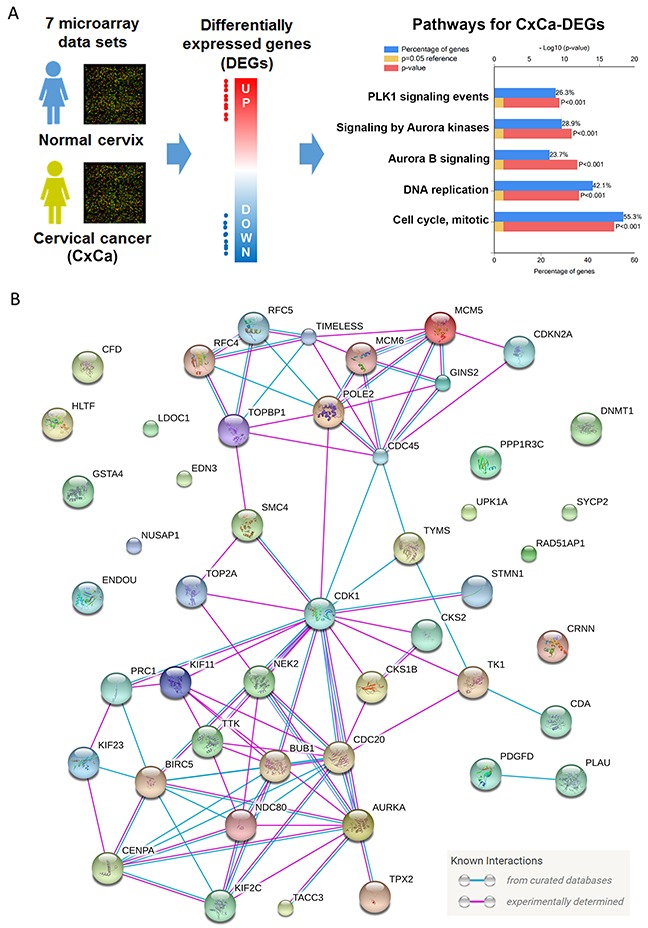
Figure 2. Analysis for the hallmark of cervical cancer
(A) DEGs obtained from cervical cancerous v.s. normal tissues were analyzed by the FunRich software for pathway enrichment. Pathways were ranked according to the p value (red bar). A p value less than 0.05 (yellow bar) was considered significant. The blue bar indicated the percentage of altered genes in a whole pathway. (B) The network of CxCa-DEGs was reconstituted by the STRING database.
Figure 3
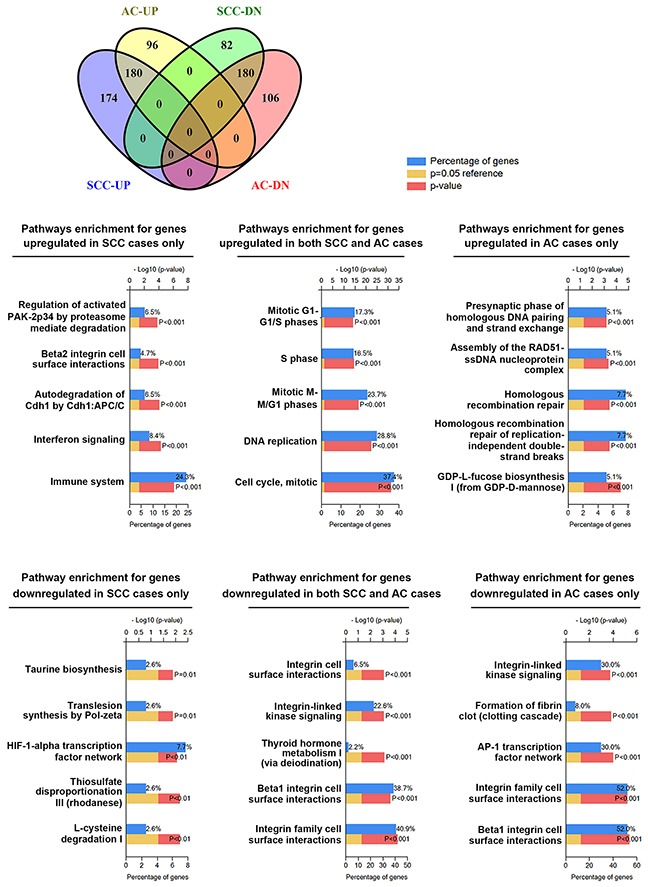
Figure 3. Pathways enrichment in cervical SCC and AC subtypes
The DEGs for SCC and AC were prepared from the data set GSE39001 (GPL201). The common and specific DEGs were virtualized with a Venn diagram. Then, biological pathway enrichment for each category was performed using the FunRich software.
Figure 4
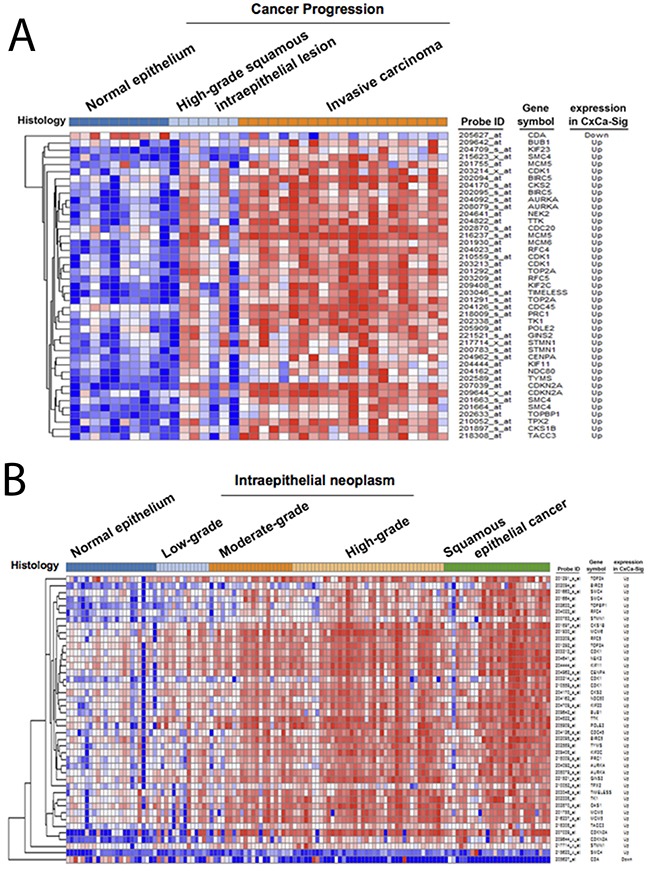
Figure 4. The expression of CxCa-Sig during cervical cancer progression
Clustering analysis was performed to examine the expression of CxCa-Sig during cancer progression from normal epithelium, intraepithelial neoplasm, to cervical cancer in two data sets, GSE7803 (A) and GSE63514 (B).
Figure 5
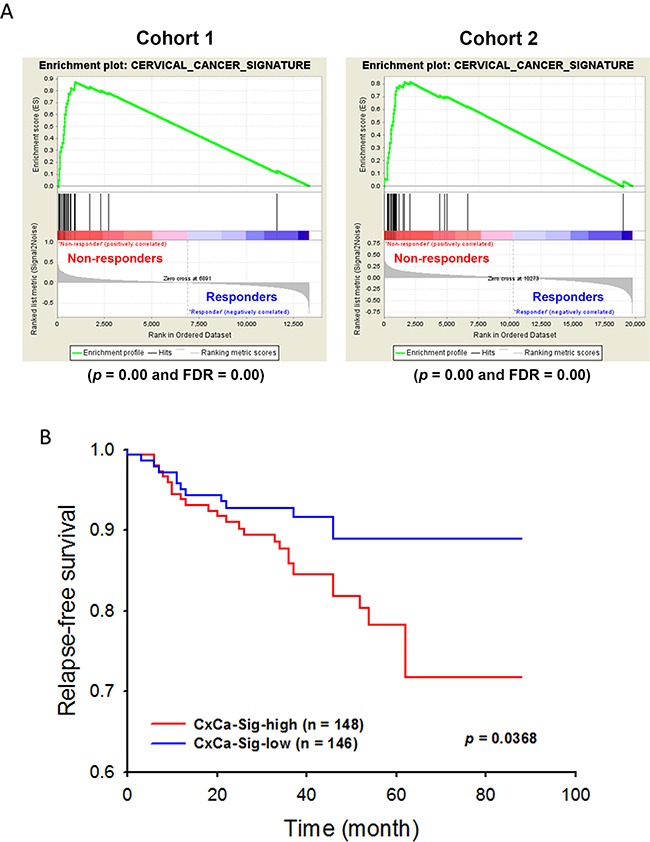
Figure 5. The role of CxCa-Sig in clinical outcomes of cervical cancer patient
The expression of CxCa-Sig in cervical cancer patients containing responders and non-responders to neoadjuvant chemotherapy using nedaplatin and irinotecan before the surgery (A), and chemoradiotherapy using cisplatin with or without surgery (B) was analyzed by GSEA.
Figure 6
Figure 6. Effects of IFNγ on the expression of CxCa-Sig in HeLa cells
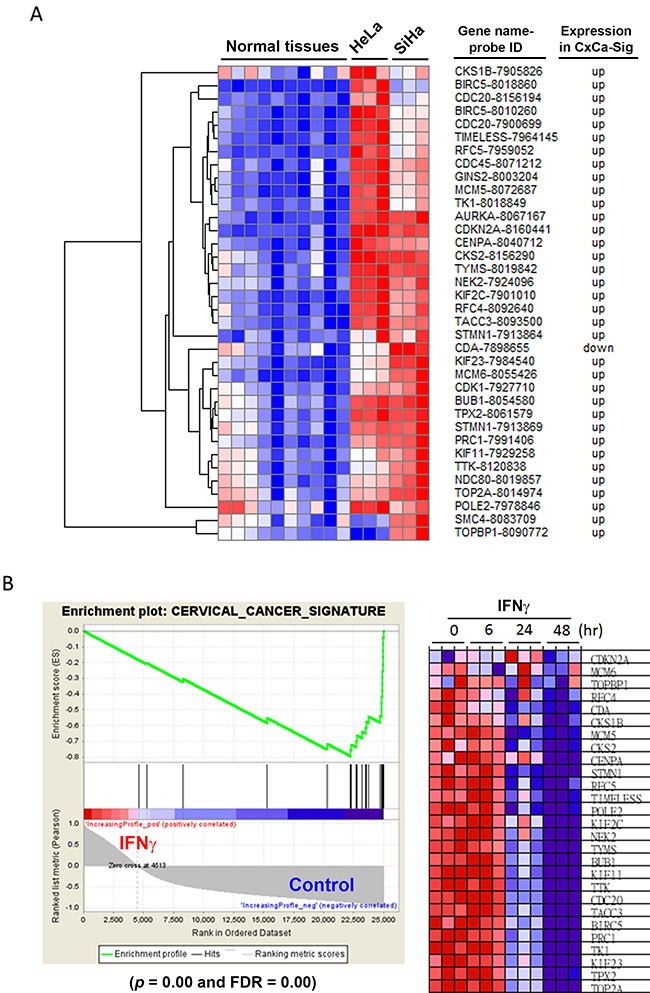
(A) Clustering analysis was performed to examine the expression of CxCa-Sig in HeLa and SiHa cells compared to normal cervix. (B) The microarray data of IFNγ-treated HeLa cells were analyzed by GSEA for the expression of CxCa-Sig.
Figure 7
Figure 7. Identification of apigenin as an anticancer agent for cervical cancer
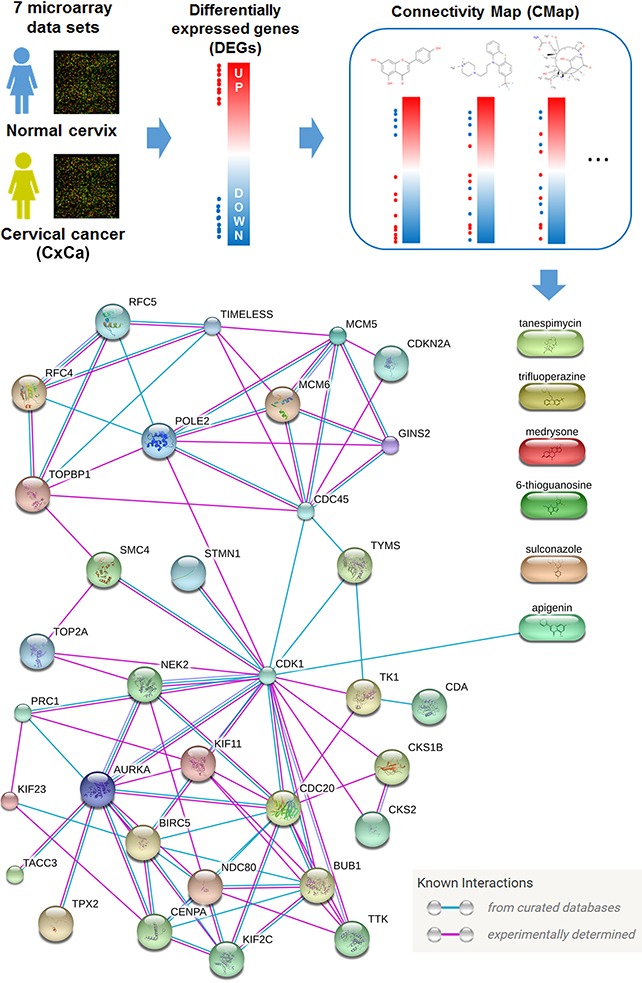
Upper part: DEGs obtained from cervical cancerous v.s. normal tissues were queried using the CMap database for potential anticancer agents against cervical cancer. Lower part: Six candidate compounds were further analyzed by the STITCH database for their connectivity to CxCa-Sig.
Figure 8
Figure 8. The combinational anticancer activity of apigenin and IFNγ
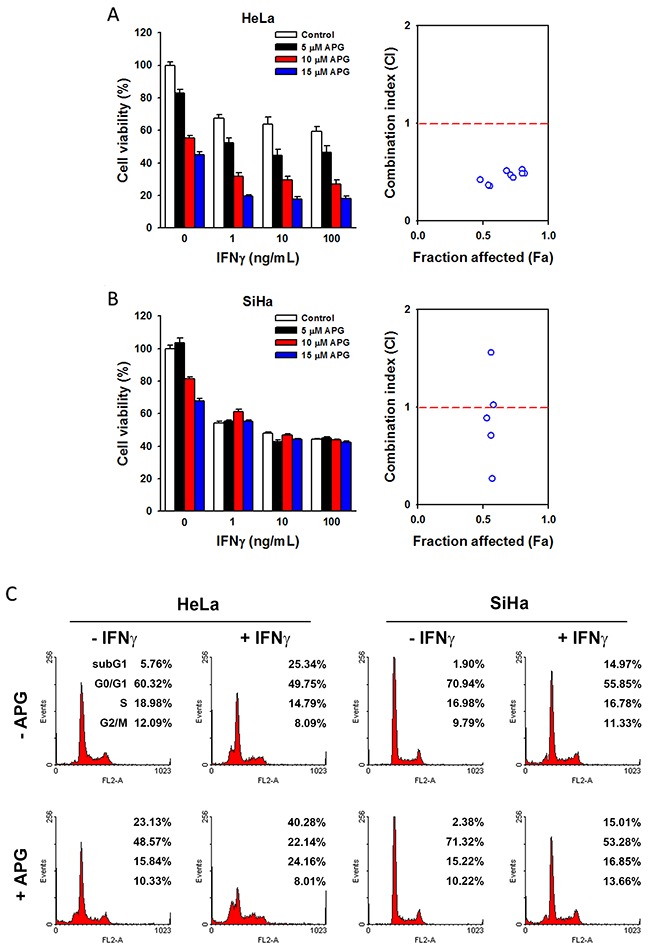
(A, B) HeLa and SiHa cells were treated with different doses of apigenin and IFNγ (alone or in combinations) for 72 h. In left parts, the cell viability was analyzed by an MTT assay. In right parts, the combination index (CI) was calculated as described in the Materials and Methods, and then plotted against the values of fraction affected (Fa). The CI values higher than 2 were not shown in Fa-CI plot. (C) HeLa and SiHa cells were treated with 100 ng/mL IFNγ for 72 h with or without 10 μM apigenin, and then cell cycle distribution was examined by flow cytometry.

References

    1. zur Hausen H. Papillomaviruses and cancer: from basic studies to clinical application. Nat Rev Cancer. 2002;2:342–350. - PubMed
    1. Munger K, Scheffner M, Huibregtse JM, Howley PM. Interactions of HPV E6 and E7 oncoproteins with tumour suppressor gene products. Cancer Surv. 1992;12:197–217. - PubMed
    1. Yee GP, de Souza P, Khachigian LM. Current and potential treatments for cervical cancer. Curr Cancer Drug Targets. 2013;13:205–220. - PubMed
    1. Gien LT, Beauchemin MC, Thomas G. Adenocarcinoma: a unique cervical cancer. Gynecol Oncol. 2010;116:140–146. - PubMed
    1. Chen RJ, Lin YH, Chen CA, Huang SC, Chow SN, Hsieh CY. Influence of histologic type and age on survival rates for invasive cervical carcinoma in Taiwan. Gynecol Oncol. 1999;73:184–190. - PubMed

MeSH terms