


Herpes simplex virus Membrane Fusion
- PMID: 28528438
- PMCID: PMC5869023
- DOI: 10.1007/978-3-319-53168-7_2
Herpes simplex virus Membrane Fusion
Abstract
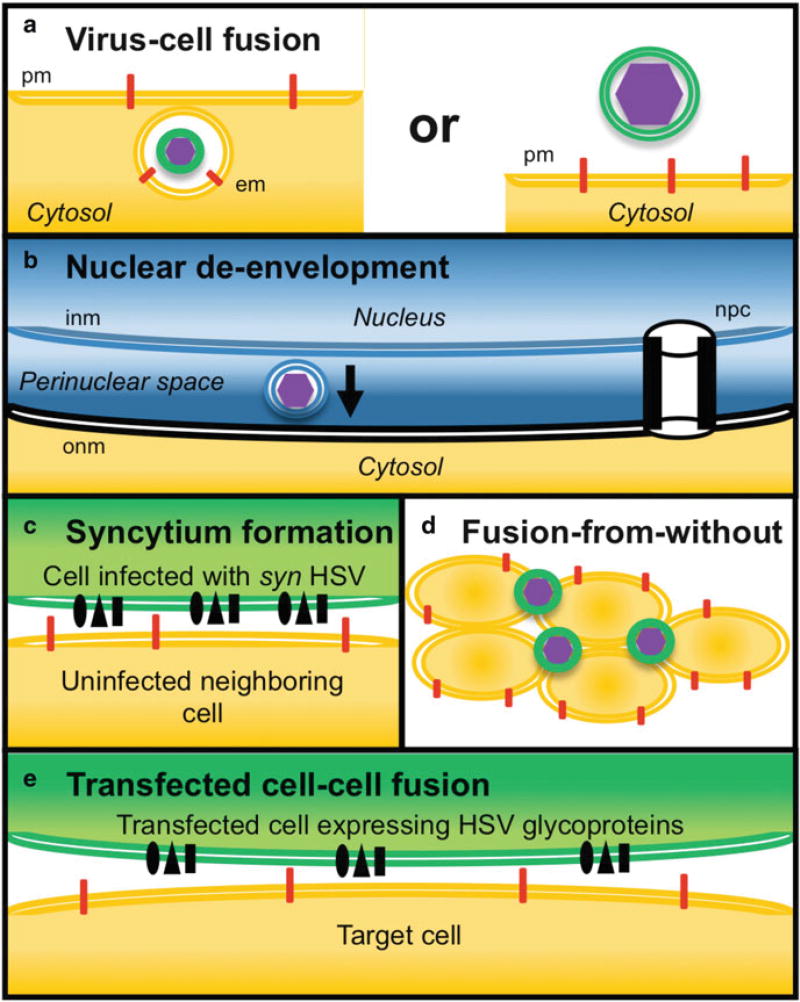
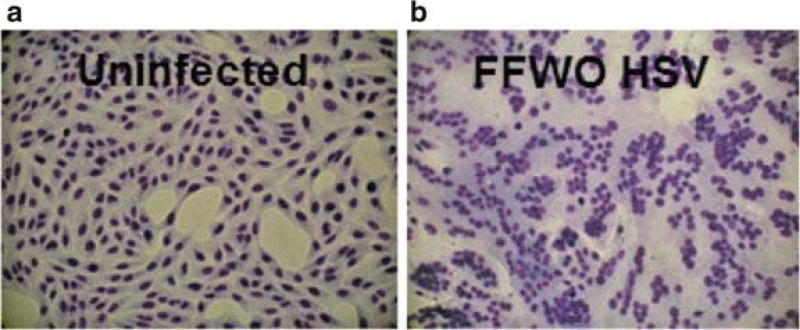
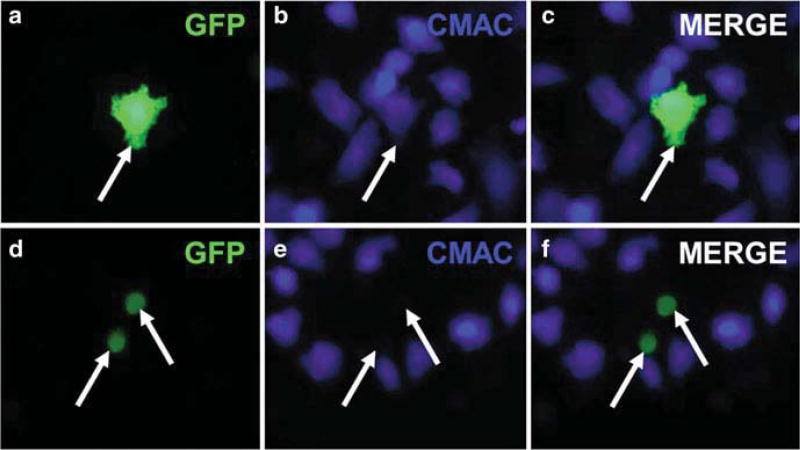
Herpes simplex virus mediates multiple distinct fusion events during infection. HSV entry is initiated by fusion of the viral envelope with either the limiting membrane of a host cell endocytic compartment or the plasma membrane. In the infected cell during viral assembly, immature, enveloped HSV particles in the perinuclear space fuse with the outer nuclear membrane in a process termed de-envelopment. A cell infected with some strains of HSV with defined mutations spread to neighboring cells by a fusion event called syncytium formation. Two experimental methods, the transient cell-cell fusion approach and fusion from without, are useful surrogate assays of HSV fusion. These five fusion processes are considered in terms of their requirements, mechanism, and regulation. The execution and modulation of these events require distinct yet often overlapping sets of viral proteins and host cell factors. The core machinery of HSV gB, gD, and the heterodimer gH/gL is required for most if not all of the HSV fusion mechanisms.
Figures
References
-
- Arii J, Goto H, Suenaga T, Oyama M, Kozuka-Hata H, Imai T, Minowa A, Akashi H, Arase H, Kawaoka Y, Kawaguchi Y. Non-muscle myosin IIA is a functional entry receptor for herpes simplex virus-1. Nature. 2010;467:859–862. - PubMed
Publication types
MeSH terms
Substances
Grants and funding
LinkOut - more resources
Full Text Sources
Other Literature Sources
