. 2017 May 23:8:15276.
doi: 10.1038/ncomms15276.

Time-compressed preplay of anticipated events in human primary visual cortex

Affiliations

Time-compressed preplay of anticipated events in human primary visual cortex

Matthias Ekman et al. Nat Commun. .

Abstract

Perception is guided by the anticipation of future events. It has been hypothesized that this process may be implemented by pattern completion in early visual cortex, in which a stimulus sequence is recreated after only a subset of the visual input is provided. Here we test this hypothesis using ultra-fast functional magnetic resonance imaging to measure BOLD activity at precisely defined receptive field locations in visual cortex (V1) of human volunteers. We find that after familiarizing subjects with a spatial sequence, flashing only the starting point of the sequence triggers an activity wave in V1 that resembles the full stimulus sequence. This preplay activity is temporally compressed compared to the actual stimulus sequence and remains present even when attention is diverted from the stimulus sequence. Preplay might therefore constitute an automatic prediction mechanism for temporal sequences in V1.


Conflict of interest statement

The authors declare no competing financial interests.

Figures
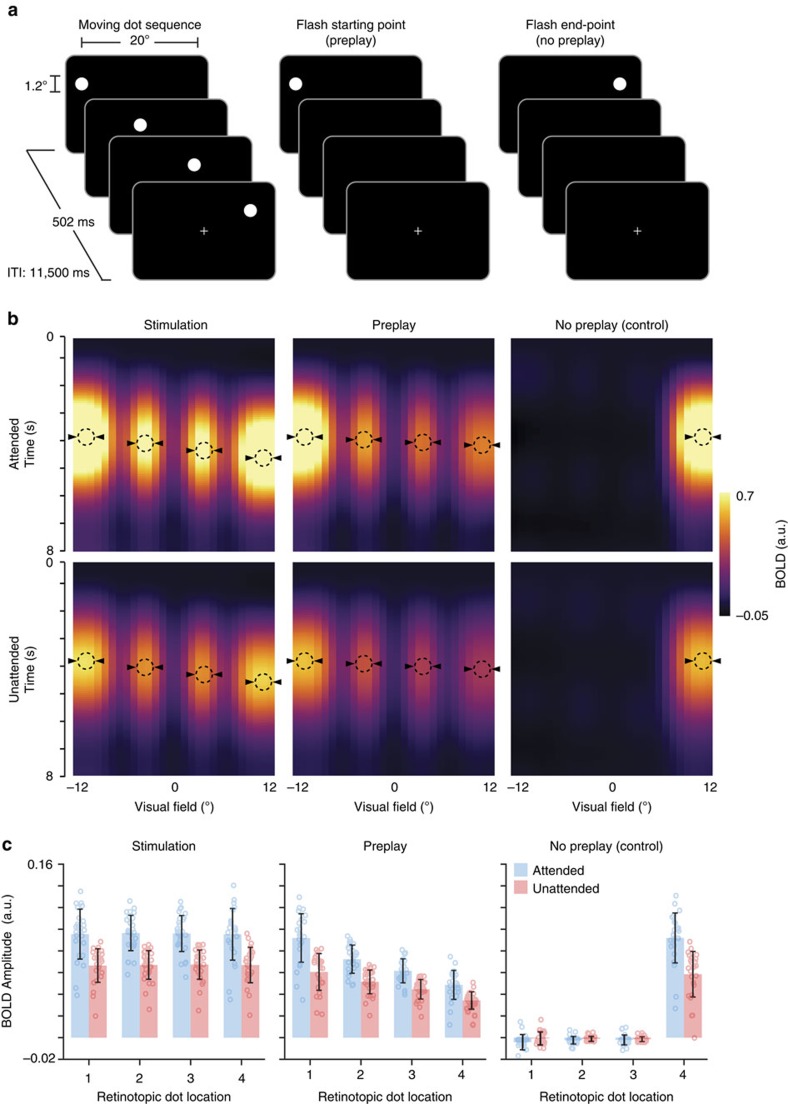
Figure 1
Figure 1. Cue-triggered activity preplay in human V1.
(a) Experimental paradigm. Participants were instructed to do a task on the dot sequence (attended condition) or at fixation (unattended condition). (b) Fitted BOLD responses as a function of retinotopic horizontal eccentricity during presentation of the stimulus sequence (left), preplay (middle) and no preplay (right) for the attended and unattended condition, respectively. The two different stimulus sequences, left-right and right-left, were combined by flipping the reconstruction of the right-left trials. Dashed circles depict horizontal stimulus locations. Triangles depict the BOLD peaks. (c) Corresponding BOLD amplitudes at the stimulus locations for attended (blue) and unattended (red) conditions. Error bars denote ±s.e.m.
Figure 2
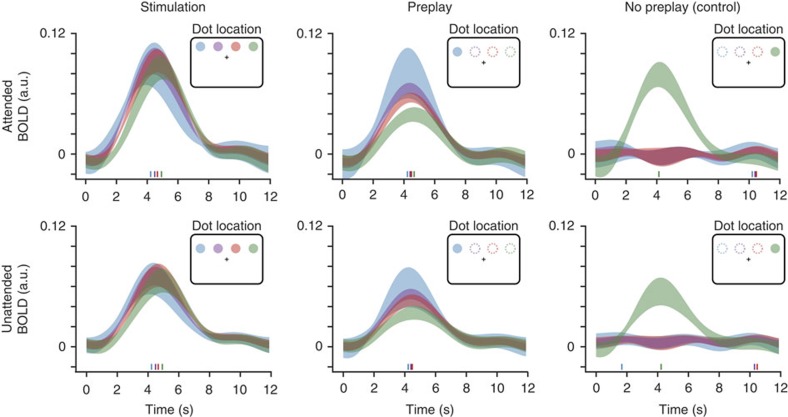
Figure 2. Average BOLD responses at the four stimulus locations.
BOLD response during presentation of the stimulus sequence (left), preplay (middle) and no preplay (right) for the attended and unattended conditions, respectively. The two different stimulus sequences, left-right and right-left, were combined by averaging the respective trials. Coloured lines along the time axis depict the BOLD peaks. Shaded areas denote ±s.d.
Figure 3
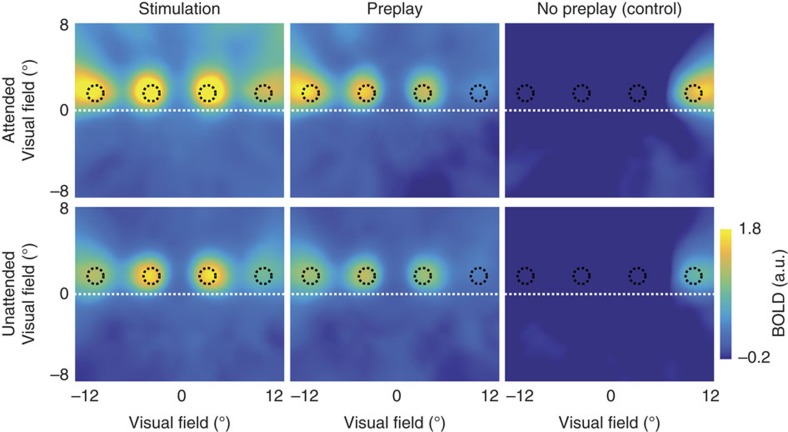
Figure 3. Stimulus reconstruction from BOLD activity in V1.
Reconstruction of the BOLD response evoked by stimulation, preplay and control conditions. Images were obtained by weighting all voxels' Gaussian receptive fields by the respective BOLD amplitude in each condition and then averaging these responses over all pRFs. The black circles illustrate the spatial position of the dots. The dashed white line depicts the horizontal meridian.
Figure 4
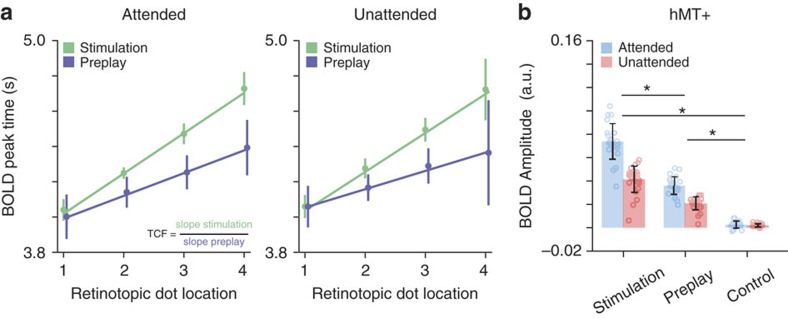
Figure 4. Temporal compression of activity preplay in V1.
(a) Peak time of the BOLD responses averaged for voxels at the four retinotopically defined stimulus locations. The fitted slope reflects the speed of the BOLD activity sequence, where a steeper slope corresponds to a temporally slower activity wave. The slopes were used to calculate the TCF for preplay compared to the stimulus sequence. (b) Average BOLD amplitude in hMT+ for stimulation, preplay and control for the attended and unattended task conditions, respectively. Error bars denote ±s.e.m.; *P<0.05.
Figure 5
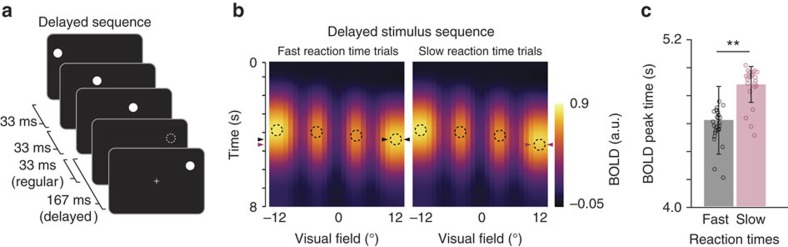
Figure 5. Preplay facilitates the detection of upcoming stimulus events.
(a) Participants had to detect delayed stimulus sequences in which the last dot occurred slightly later (167 ms) compared to the regular stimulus sequence (33 ms). (b) BOLD responses as a function of retinotopic horizontal eccentricity for fast (left) and slow (right) behavioural reaction times during presentation of the delayed stimulus sequence. Dashed circles depict horizontal stimulus locations. Triangles depict the BOLD peaks. (c) BOLD response peak significantly earlier in fast compared to slow reaction time trials. Error bars denote ±s.e.m.; **P<0.01.

References

    1. Summerfield C. & de Lange F. P. Expectation in perceptual decision making: neural and computational mechanisms. Nat. Rev. Neurosci. 15, 745–756 (2014). - PubMed
    1. Squires K. C., Wickens C., Squires N. K. & Donchin E. The effect of stimulus sequence on the waveform of the cortical event-related potential. Science 193, 1142–1146 (1976). - PubMed
    1. Meyer T., Walker C., Cho R. Y. & Olson C. R. Image familiarization sharpens response dynamics of neurons in inferotemporal cortex. Nat. Neurosci. 17, 1388–1394 (2014). - PMC - PubMed
    1. Esterman M. & Yantis S. Perceptual expectation evokes category-selective cortical activity. Cereb. Cortex 20, 1245–1253 (2010). - PMC - PubMed
    1. Sakai K. & Miyashita Y. Neural organization for the long-term memory of paired associates. Nature 354, 152–155 (1991). - PubMed

Publication types

LinkOut - more resources