


Honey and Health: A Review of Recent Clinical Research
- PMID: 28539734
- PMCID: PMC5424551
- DOI: 10.4103/0974-8490.204647
Honey and Health: A Review of Recent Clinical Research
Abstract
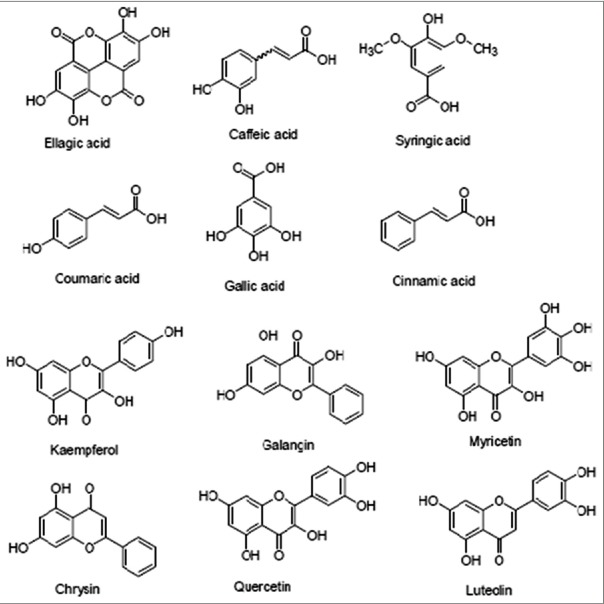
Honey is one of the most appreciated and valued natural products introduced to humankind since ancient times. Honey is used not only as a nutritional product but also in health described in traditional medicine and as an alternative treatment for clinical conditions ranging from wound healing to cancer treatment. The aim of this review is to emphasize the ability of honey and its multitude in medicinal aspects. Traditionally, honey is used in the treatment of eye diseases, bronchial asthma, throat infections, tuberculosis, thirst, hiccups, fatigue, dizziness, hepatitis, constipation, worm infestation, piles, eczema, healing of ulcers, and wounds and used as a nutritious supplement. The ingredients of honey have been reported to exert antioxidant, antimicrobial, anti-inflammatory, antiproliferative, anticancer, and antimetastatic effects. Many evidences suggest the use of honey in the control and treatment of wounds, diabetes mellitus, cancer, asthma, and also cardiovascular, neurological, and gastrointestinal diseases. Honey has a potential therapeutic role in the treatment of disease by phytochemical, anti-inflammatory, antimicrobial, and antioxidant properties. Flavonoids and polyphenols, which act as antioxidants, are two main bioactive molecules present in honey. According to modern scientific literature, honey may be useful and has protective effects for the treatment of various disease conditions such as diabetes mellitus, respiratory, gastrointestinal, cardiovascular, and nervous systems, even it is useful in cancer treatment because many types of antioxidant are present in honey. In conclusion, honey could be considered as a natural therapeutic agent for various medicinal purposes. Sufficient evidence exists recommending the use of honey in the management of disease conditions. Based on these facts, the use of honey in clinical wards is highly recommended.
Summary: There are several evidence that suggesting the usage of honey in the management of disease. Therefore, honey in clinical wards is highly recommended. Abbreviations Used: WA: Water activity, RDI: Recommended daily intake, Si: Silicon, RB: Rubidium, V: Vanadium, Zr: Zirconium, Li: Lithium, Sr: Strontium, Pb: Lead, Cd: Cadmium, As: Arsenic, MIC: Minimum inhibitory concentration, PARP: Poly (ADP-ribose) polymerase, ROS: Reactive oxygen species, iNOS: Inducible nitric oxide synthase, NKcells: Natural killer cells, SCFA: Short-chain fatty acid, CRP: C-reactive protein.
Keywords: Antioxidant; flavonoids; honey; polyphenols; therapeutic agent; traditional.
Conflict of interest statement
There are no conflicts of interest.
Figures
References
-
- Dashora N, Sodde V, Bhagat J, Kirti SP, Labo R. Antitumor activity of Dendrophoe falcate against Ehrlich ascites carcinoma in Swiss albino mice. Pharm Crops. 2011;7:1.
-
- Adebolu TT. Effect of natural honey on local isolates of diarrhea causing bacteria in Southwestern Nigeria. Afr J Biotechnol. 2005;4:1172–4.
-
- Ashrafi S, Mastronikolas S, Wu CD. Use of Honey in Treatment of Aphthous Ulcers IADR/AADR/CADR 83rd General Session. Baltimore, MD., USA: 2005. pp. 9–12.
-
- James H. Papyrus Harris, donation to the temple of re at Heliopolis. In: Birch S, editor. Breasted ancient records of Egypt part four pSalt 825, Egyptian magical text. 1876.
-
- Bansal V, Medhi B, Pandhi P. Honey – A remedy rediscovered and its therapeutic utility. Kathmandu Univ Med J (KUMJ) 2005;3:305–9. - PubMed
Publication types
LinkOut - more resources
Full Text Sources
Other Literature Sources
Medical
Research Materials
Miscellaneous