


Electronic cigarette aerosols suppress cellular antioxidant defenses and induce significant oxidative DNA damage
- PMID: 28542301
- PMCID: PMC5436899
- DOI: 10.1371/journal.pone.0177780
Electronic cigarette aerosols suppress cellular antioxidant defenses and induce significant oxidative DNA damage
Abstract
Background: Electronic cigarette (EC) aerosols contain unique compounds in addition to toxicants and carcinogens traditionally found in tobacco smoke. Studies are warranted to understand the public health risks of ECs.
Objective: The aim of this study was to determine the genotoxicity and the mechanisms induced by EC aerosol extracts on human oral and lung epithelial cells.
Methods: Cells were exposed to EC aerosol or mainstream smoke extracts and DNA damage was measured using the primer anchored DNA damage detection assay (q-PADDA) and 8-oxo-dG ELISA assay. Cell viability, reactive oxygen species (ROS) and total antioxidant capacity (TAC) were measured using standard methods. mRNA and protein expression were evaluated by RT-PCR and western blot, respectively.
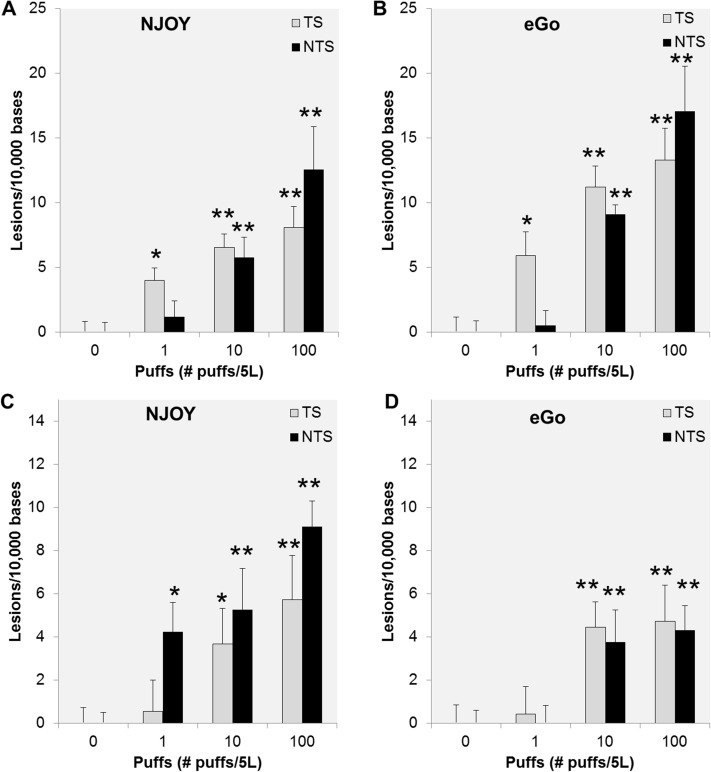
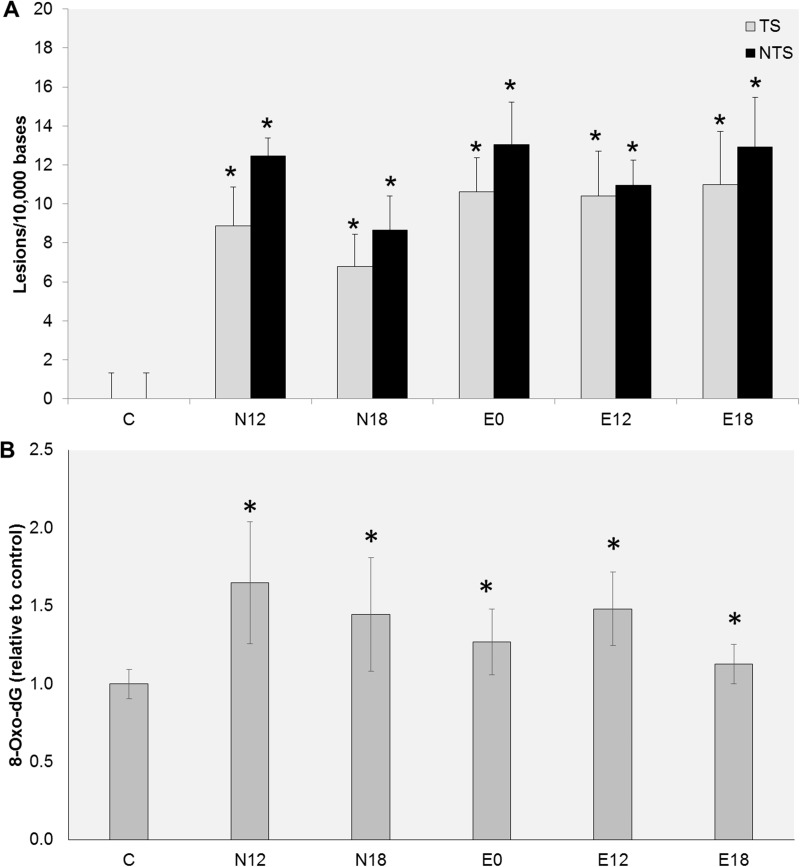
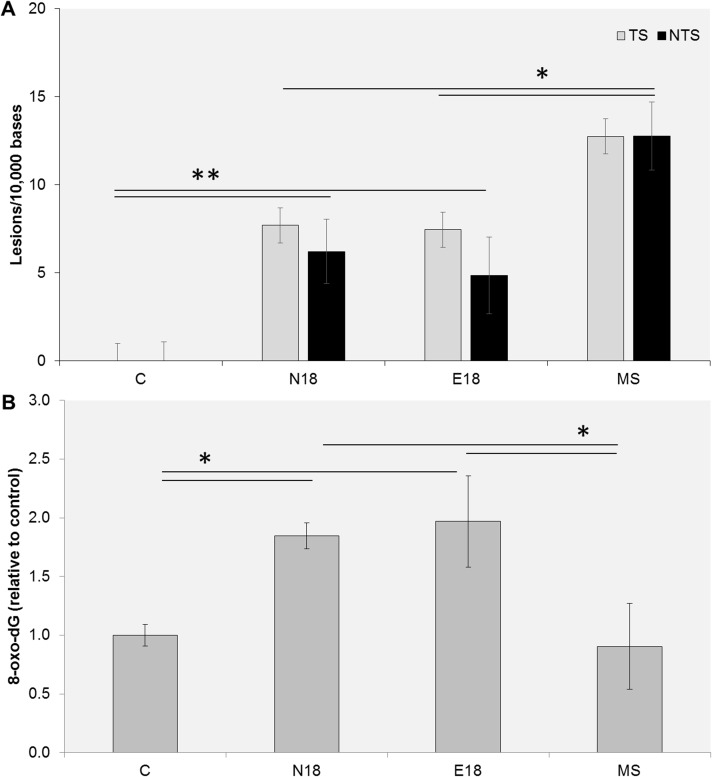
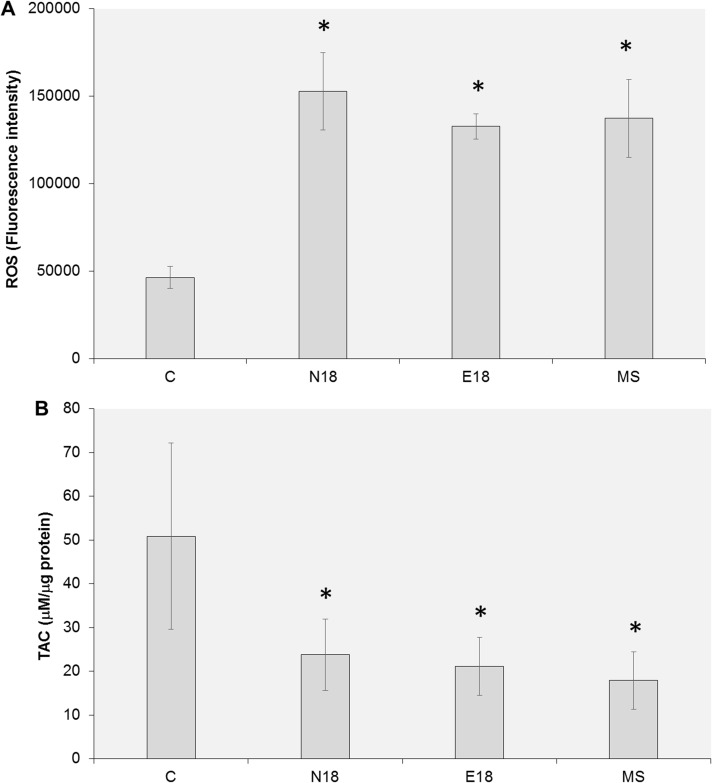
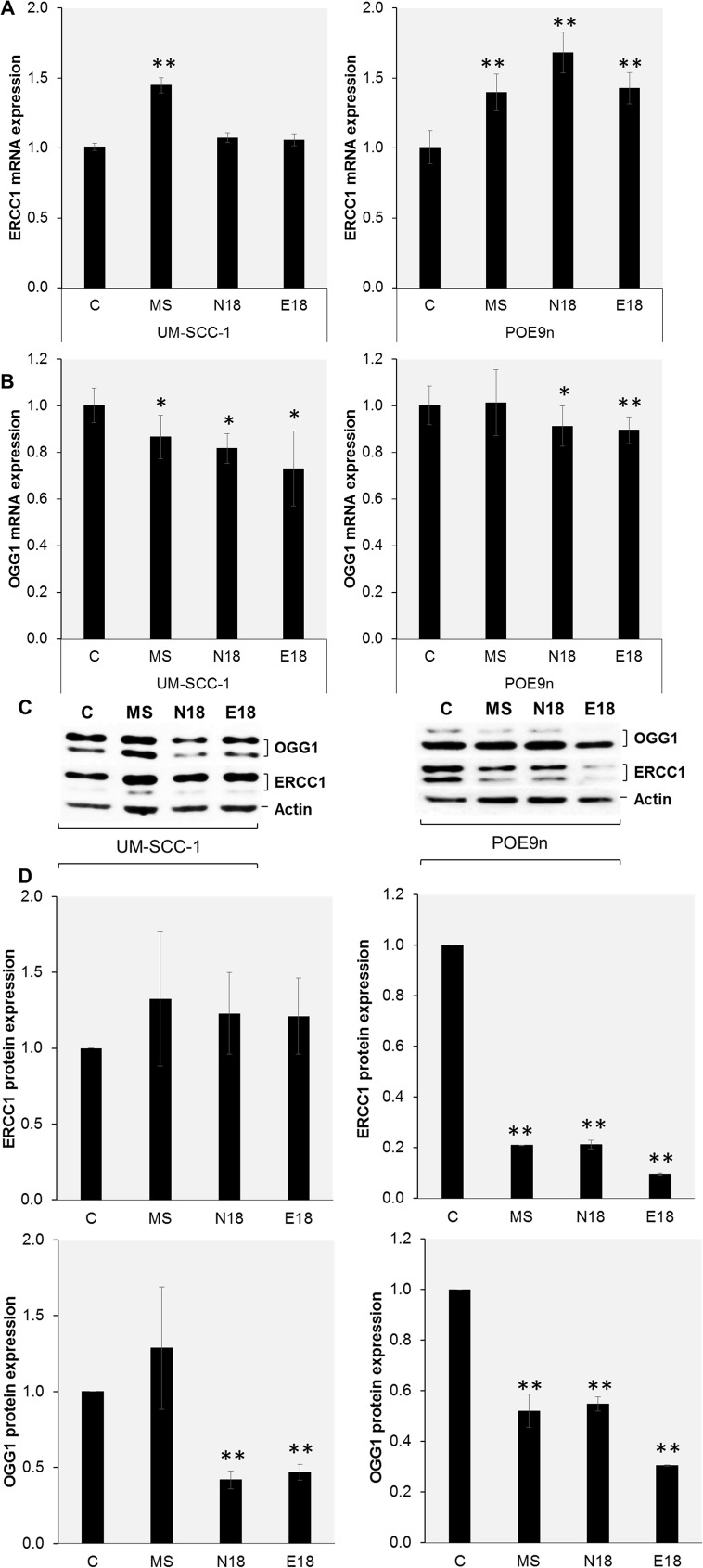
Results: EC aerosol extracts induced DNA damage in a dose-dependent manner, but independently of nicotine concentration. Overall, EC aerosol extracts induced significantly less DNA damage than mainstream smoke extracts, as measured by q-PADDA. However, the levels of oxidative DNA damage, as indicated by the presence of 8-oxo-dG, a highly mutagenic DNA lesion, were similar or slightly higher after exposure to EC aerosol compared to mainstream smoke extracts. Mechanistically, while exposure to EC extracts significantly increased ROS, it decreased TAC as well as the expression of 8-oxoguanine DNA glycosylase (OGG1), an enzyme essential for the removal of oxidative DNA damage.
Conclusions: Exposure to EC aerosol extracts suppressed the cellular antioxidant defenses and led to significant DNA damage. These findings emphasize the urgent need to investigate the potential long-term cancer risk of exposure to EC aerosol for vapers and the general public.
Conflict of interest statement
Figures
References
-
- Hajek P. Electronic cigarettes have a potential for huge public health benefit. BMC Med. 2014;12:225 PubMed Central PMCID: PMC4260378. doi: 10.1186/s12916-014-0225-z - DOI - PMC - PubMed
MeSH terms
Substances
Grants and funding
LinkOut - more resources
Full Text Sources
Other Literature Sources
Medical
Research Materials
