


Rice Bran Metabolome Contains Amino Acids, Vitamins & Cofactors, and Phytochemicals with Medicinal and Nutritional Properties
- PMID: 28547736
- PMCID: PMC5453916
- DOI: 10.1186/s12284-017-0157-2
Rice Bran Metabolome Contains Amino Acids, Vitamins & Cofactors, and Phytochemicals with Medicinal and Nutritional Properties
Abstract
Background: Rice bran is a functional food that has shown protection against major chronic diseases (e.g. obesity, diabetes, cardiovascular disease and cancer) in animals and humans, and these health effects have been associated with the presence of bioactive phytochemicals. Food metabolomics uses multiple chromatography and mass spectrometry platforms to detect and identify a diverse range of small molecules with high sensitivity and precision, and has not been completed for rice bran.
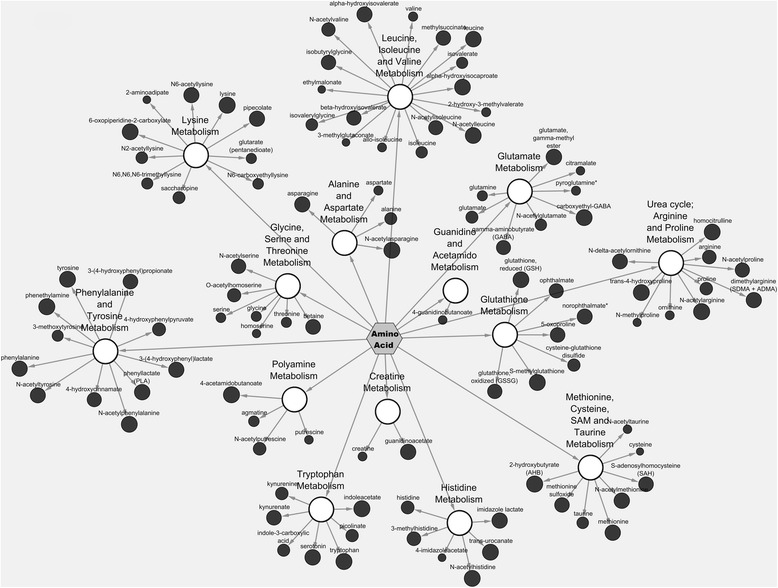
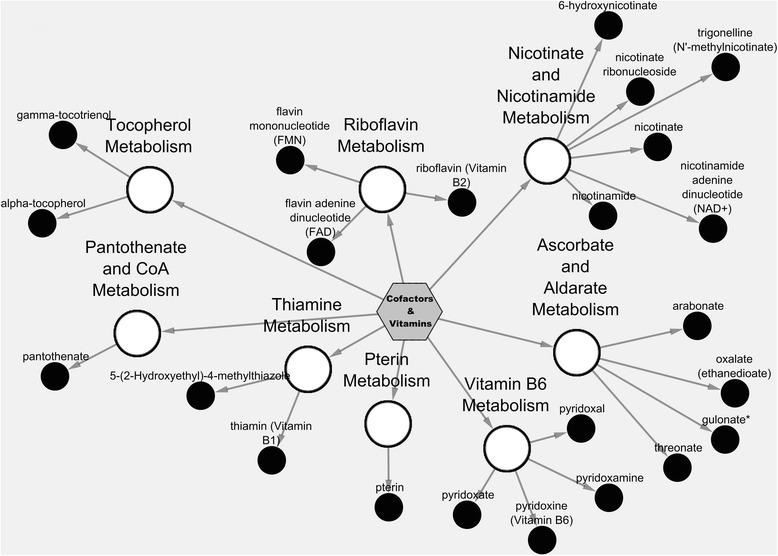
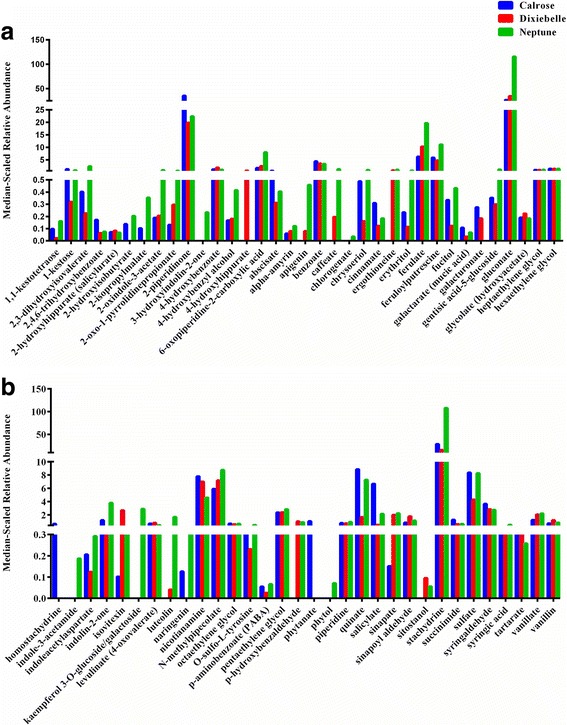
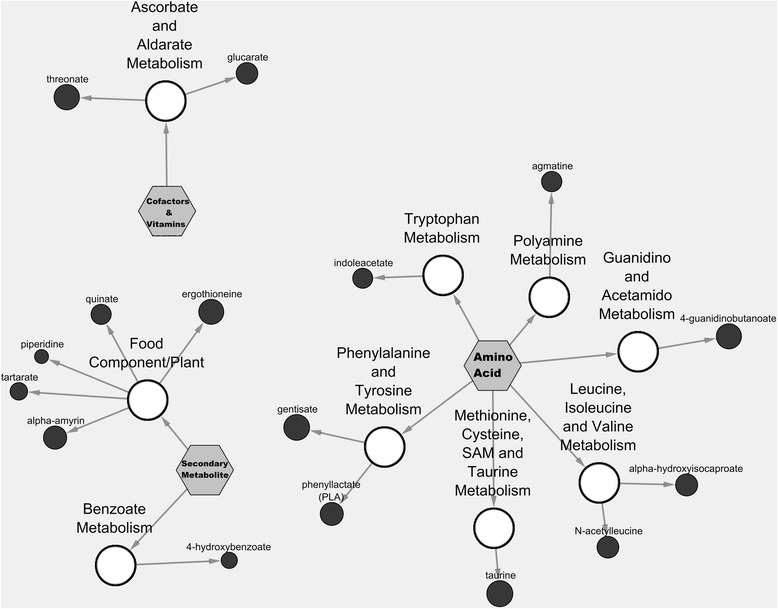
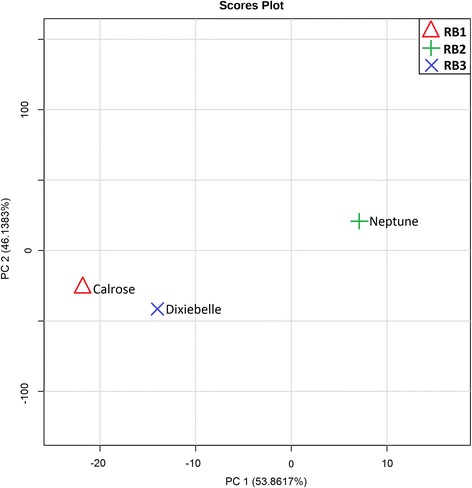
Results: This study utilized global, non-targeted metabolomics to identify small molecules in rice bran, and conducted a comprehensive search of peer-reviewed literature to determine bioactive compounds. Three U.S. rice varieties (Calrose, Dixiebelle, and Neptune), that have been used for human dietary intervention trials, were assessed herein for bioactive compounds that have disease control and prevention properties. The profiling of rice bran by ultra-performance liquid chromatography-tandem mass spectrometry (UPLC-MS/MS) and gas chromatography-mass spectrometry (GC-MS) identified 453 distinct phytochemicals, 209 of which were classified as amino acids, cofactors & vitamins, and secondary metabolites, and were further assessed for bioactivity. A scientific literature search revealed 65 compounds with health properties, 16 of which had not been previously identified in rice bran. This suite of amino acids, cofactors & vitamins, and secondary metabolites comprised 46% of the identified rice bran metabolome, which substantially enhanced our knowledge of health-promoting rice bran compounds provided during dietary supplementation.
Conclusion: Rice bran metabolite profiling revealed a suite of biochemical molecules that can be further investigated and exploited for multiple nutritional therapies and medical food applications. These bioactive compounds may also be biomarkers of dietary rice bran intake. The medicinal compounds associated with rice bran can function as a network across metabolic pathways and this metabolite network may occur via additive and synergistic effects between compounds in the food matrix.
Keywords: Chronic diseases; Functional food; Infectious diseases; Medicinal properties; Metabolomics; Phytochemicals; Rice bran.
Figures
References
-
- Abdulmalik O, Ghatge MS, Musayev FN, Parikh A, Chen Q, Yang J, et al. Crystallographic analysis of human hemoglobin elucidates the structural basis of the potent and dual antisickling activity of pyridyl derivatives of vanillin. Acta Crystallogr D Biol Crystallogr. 2011;67(Pt 11):920–928. doi: 10.1107/S0907444911036353. - DOI - PMC - PubMed
-
- Anraku M, Tsurusaki Y, Watanabe H, Maruyama T, Kragh-Hansen U, Otagiri M. Stabilizing mechanisms in commercial albumin preparations: octanoate and N-acetyl-L-tryptophanate protect human serum albumin against heat and oxidative stress. Biochim Biophys Acta. 2004;1702(1):9–17. doi: 10.1016/j.bbapap.2004.07.002. - DOI - PubMed
-
- Antonelli T, Carla V, Lambertini L, Moroni F, Bianchi C. Pyroglutamic acid administration modifies the electrocorticogram and increases the release of acetylcholine and GABA from the guinea-pig cerebral cortex. Pharmacol Res Commun. 1984;16(2):189–197. doi: 10.1016/S0031-6989(84)80094-6. - DOI - PubMed
Grants and funding
LinkOut - more resources
Full Text Sources
Other Literature Sources
Miscellaneous
