


The contribution of alliaceous and cruciferous vegetables to dietary sulphur intake
- PMID: 28551250
- PMCID: PMC5460521
- DOI: 10.1016/j.foodchem.2017.04.098
The contribution of alliaceous and cruciferous vegetables to dietary sulphur intake
Abstract
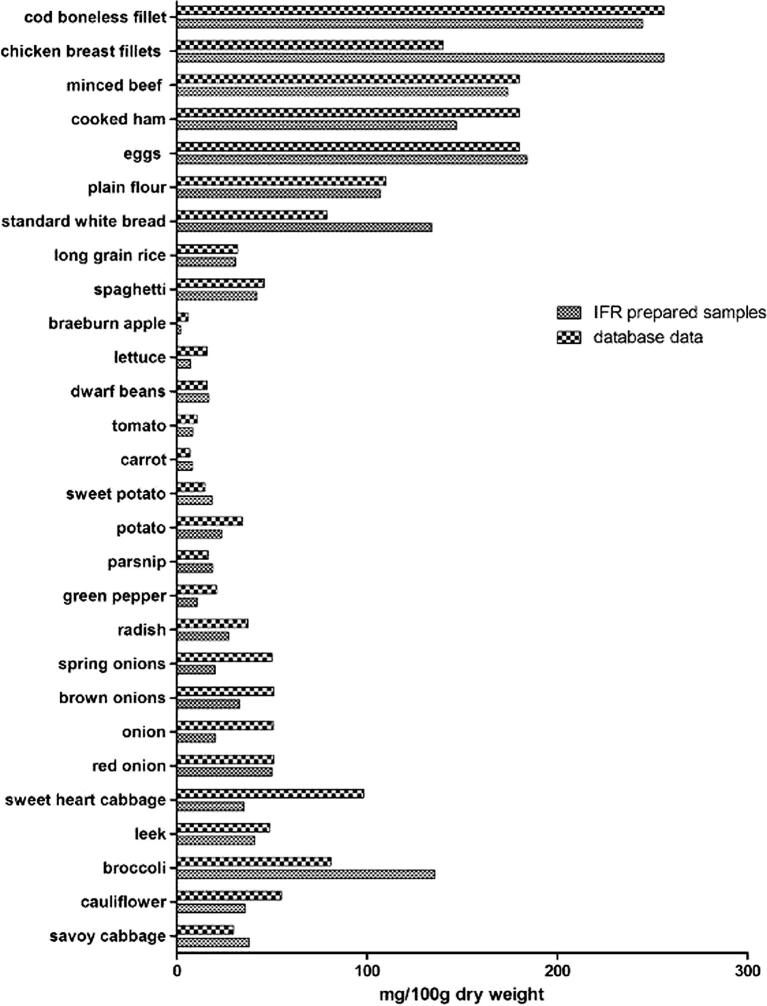
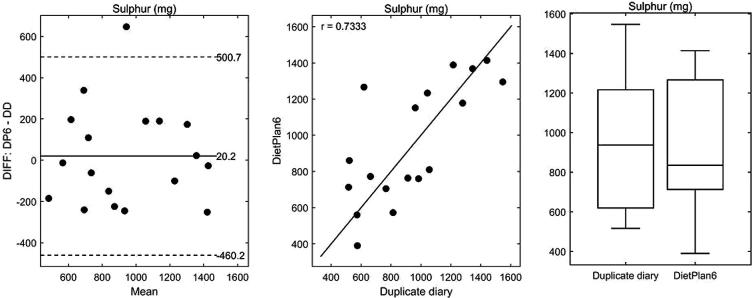
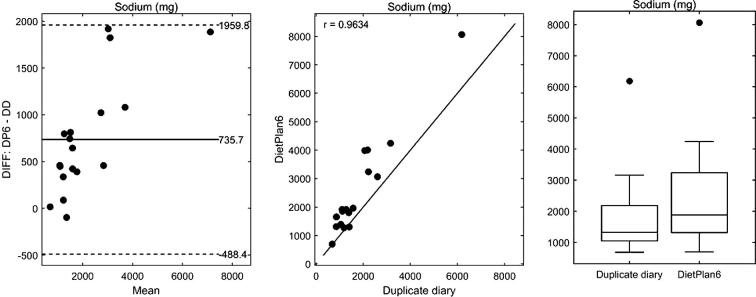
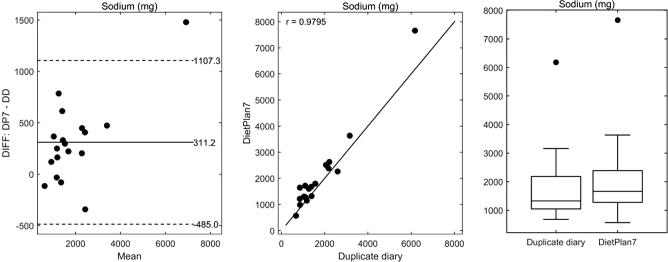
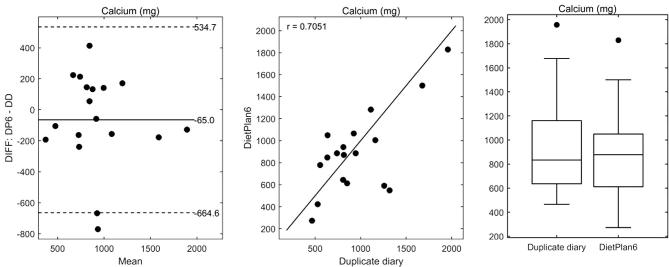
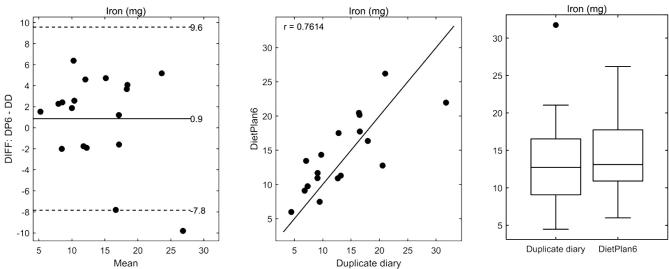
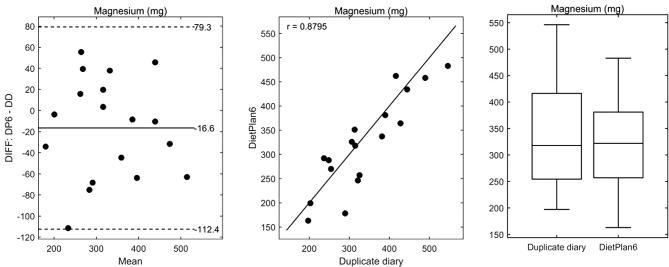
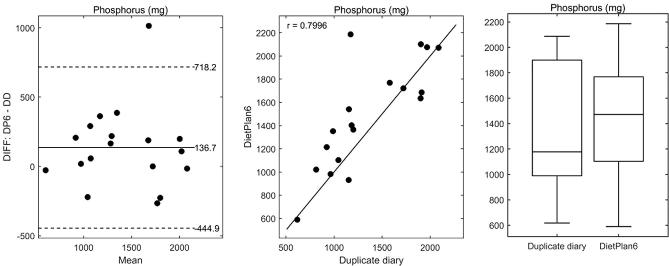
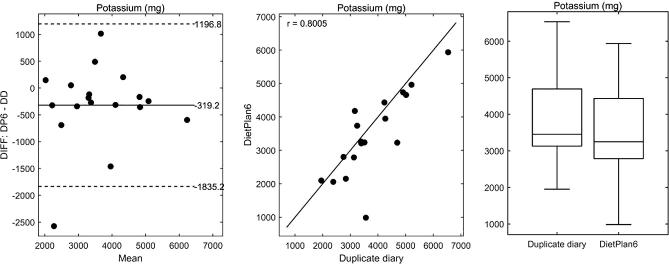
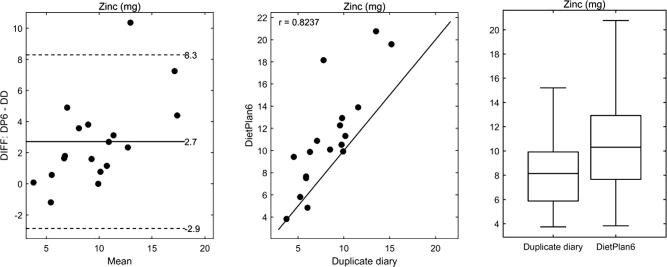
Despite its importance in many areas of human metabolism, there are no recommended daily intake guide lines for sulphur. It is generally assumed that most dietary sulphur originates from intake of methionine and cysteine. We estimated sulphur intake from food diaries, and validated the results with the use of a duplicate diet analyses. Sulphur intake estimations were highly correlated with that obtain through an elemental analysis of duplicate diets, with a mean±sd daily intakes of 956±327.9mg estimated from diet diary analyses and 935±329.9mg estimated by a duplicate diet analyses. Sulphur intake from alliaceous and cruciferous vegetables contributed up to 42% of total sulphur intake. Daily intake estimation comparisons through diet diary analyses and duplicate diet for other elements showed good agreement, except for sodium and zinc, in which analyses of 24h diet dairies overestimated intake by 35% and 52%, respectively.
Keywords: Diet diary; Duplicate diet; Sulphate; Sulphur; Sulphur amino acids (SAA).
Copyright © 2017 The Authors. Published by Elsevier Ltd.. All rights reserved.
Figures
References
-
- Ashwell M. 4: The COMA Report on Dietary Reference Values. Nutrition Bulletin. 1991;16(3):132–135.
-
- Bland J.M., Altman D.G. Statistical methods for assessing agreement between two methods of clinical measurement. Lancet. 1986;1(8476):307–310. - PubMed
-
- Block E. The Organosulfur Chemistry of the Genus Allium – Implications for the Organic-Chemistry of Sulfur. Angewandte Chemie-International Edition in English. 1992;31(9):1135–1178.
MeSH terms
Substances
Grants and funding
LinkOut - more resources
Full Text Sources
Other Literature Sources
