


Why Do Parotid Pleomorphic Adenomas Recur? A Systematic Review of Pathological and Surgical Variables
- PMID: 28555187
- PMCID: PMC5430411
- DOI: 10.3389/fsurg.2017.00026
Why Do Parotid Pleomorphic Adenomas Recur? A Systematic Review of Pathological and Surgical Variables
Abstract
Background: The recurrence of pleomorphic adenoma (PA) has been extensively debated, mostly in relation to the extent of parotidectomy.
Methods: A systematic review was undertaken to clarify the surgical and pathological variables related to PA recurrence. Inclusion criteria were as follows: English literature, and prospective or retrospective studies. Exclusion criteria were as follows: single case reports, reviews, and lack of PA recurrence data.
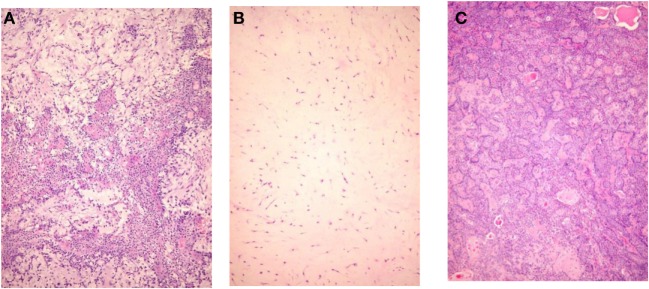
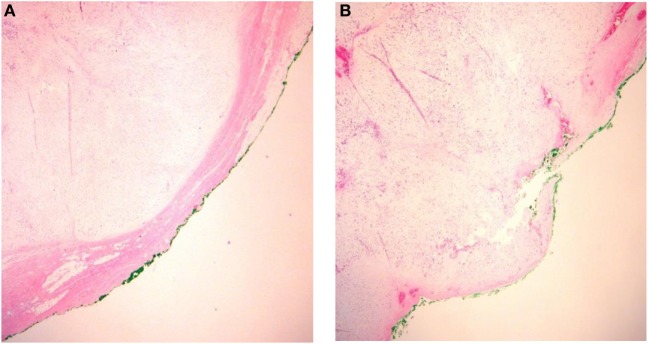
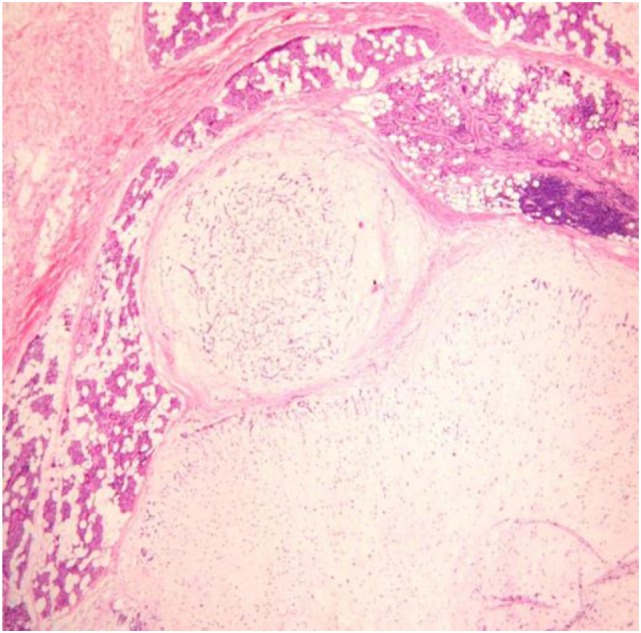
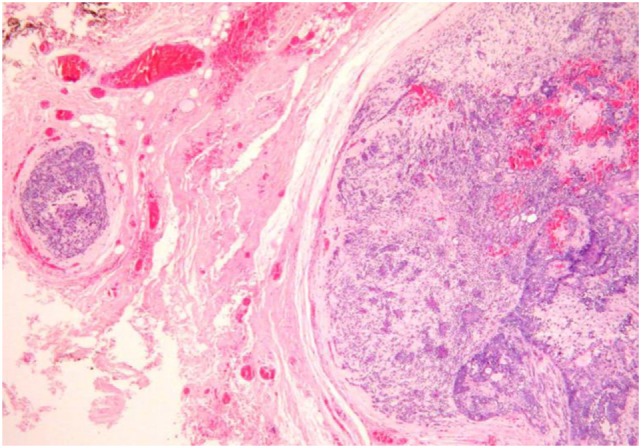
Results: Pathology-related variables associated with recurrence include the histological subtype, the thickness and incompleteness of the tumor capsule, pseudopodia, and satellite nodules. Surgery-related variables associated with recurrence are the presence of intact margins and tumor puncture or spillage. Other factors are the size of the tumor and the age of patient. Myxoid subtypes of PA tend to have incomplete and thinner capsules and to recur more frequently. Surgical variables related to recurrence include positive margins and tumor spillage.
Conclusion: Myxoid and/or large PA, especially in young patients, should be approached more cautiously to avoid recurrences.
Keywords: parotid tumors; parotidectomy; pathology; pleomorphic adenoma; recurrence.
Figures
References
-
- Benedict EG, Meigs JV. Tumors of the parotid gland. A study of 225 cases with complete end-results in 80 cases. Surg Gynecol Obstet (1930) 51:626–47.
Publication types
LinkOut - more resources
Full Text Sources
Other Literature Sources
