Occult myeloproliferative neoplasms: not so occult any more
- PMID: 28559287
- PMCID: PMC5747619
- DOI: 10.1136/bcr-2017-219388
Occult myeloproliferative neoplasms: not so occult any more
Abstract
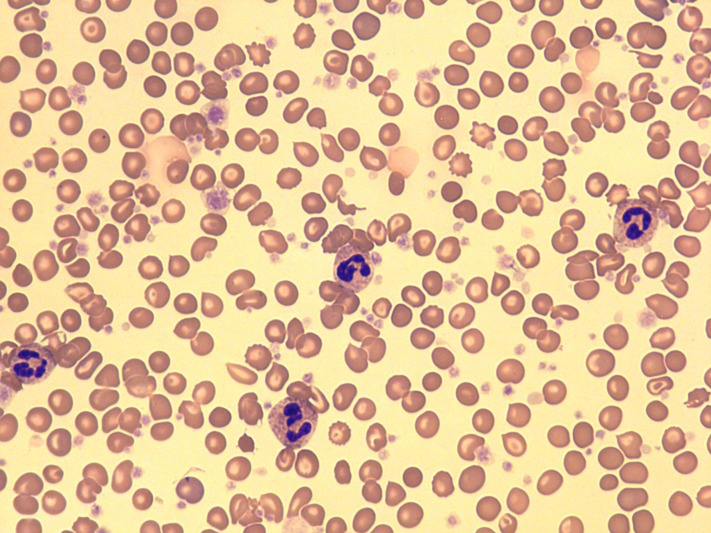
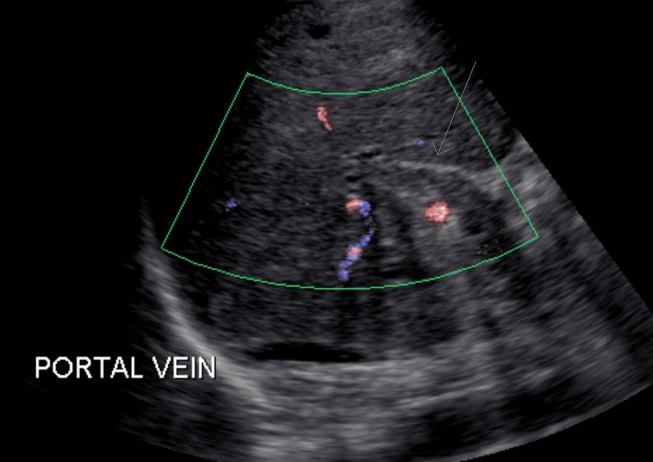
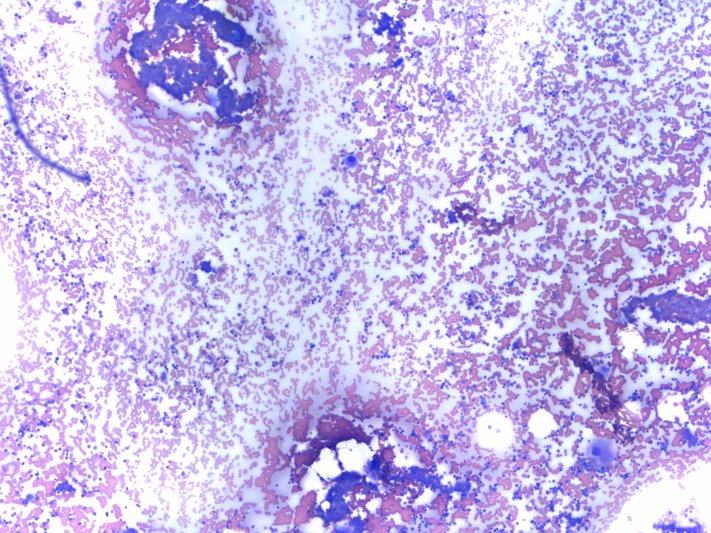
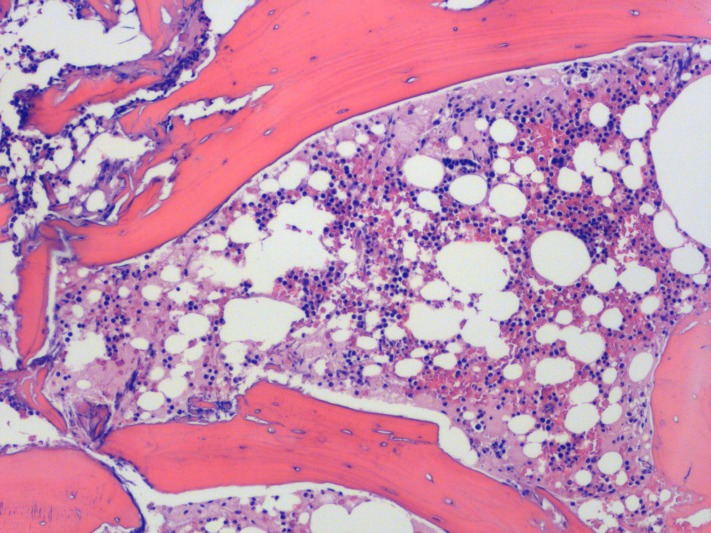
Non-cirrhotic, non-malignant portal vein thrombosis (PVT) is commonly secondary to inherited or acquired prothrombotic states. However, even after extensive workup, 25% of patients with PVT have no apparent prothrombotic aetiology identified (idiopathic PVT). Inherited conditions include factor V Leiden, PT mutation and protein C/S/AT deficiency. Acquired conditions include APS, PNH and BCR-ABL 1-negative myeloproliferative neoplasms (MPN). BCR-ABL-1 negative MPNs are the most frequent underlying prothrombotic risk factor for PVT (15%-30%). However, peripheral blood counts often remain within normal ranges in these patients with MPN because of portal hypertension sequel. Despite suggestive features of MPN in bone marrow, these patients lack adequate diagnostic criteria and are classified as occult MPN. The discovery of recurrent molecular abnormalities such as CALR gene exon 9 mutation presented a crucial advance in the diagnosis of occult MPNs. In our patient, the diagnosis of MPN was made on this basis, despite lack of peripheral evidence of MPN.
Keywords: haematology (incl blood transfusion); medical management.
© BMJ Publishing Group Ltd (unless otherwise stated in the text of the article) 2017. All rights reserved. No commercial use is permitted unless otherwise expressly granted.
Conflict of interest statement
Competing interests: None declared.
Figures
References
-
- Valla D, Casadevall N, Huisse MG, et al. Etiology of portal vein thrombosis in adults. A prospective evaluation of primary myeloproliferative disorders. Gastroenterology 1988;94:1063–9. - PubMed
Publication types
MeSH terms
Substances
LinkOut - more resources
Full Text Sources
Other Literature Sources
Medical
Research Materials
Miscellaneous