


Case Report: Encephalitis, with Brainstem Involvement, Following Checkpoint Inhibitor Therapy in Metastatic Melanoma
- PMID: 28559410
- PMCID: PMC5469589
- DOI: 10.1634/theoncologist.2016-0366
Case Report: Encephalitis, with Brainstem Involvement, Following Checkpoint Inhibitor Therapy in Metastatic Melanoma
Abstract
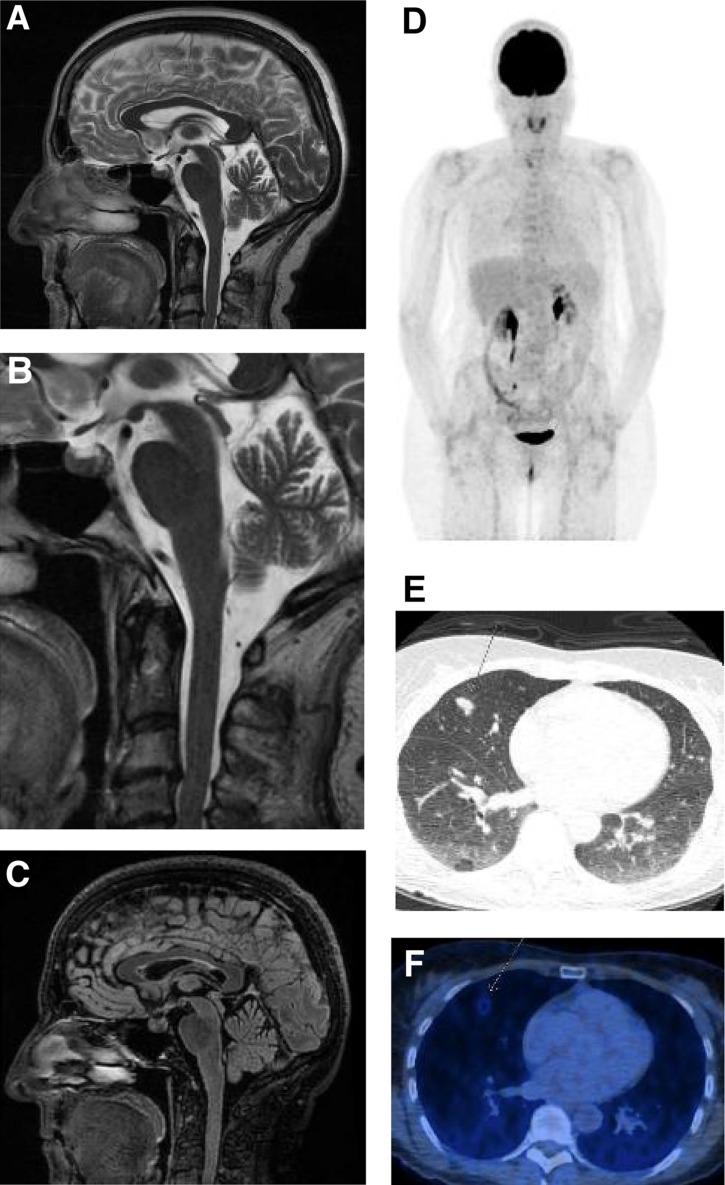
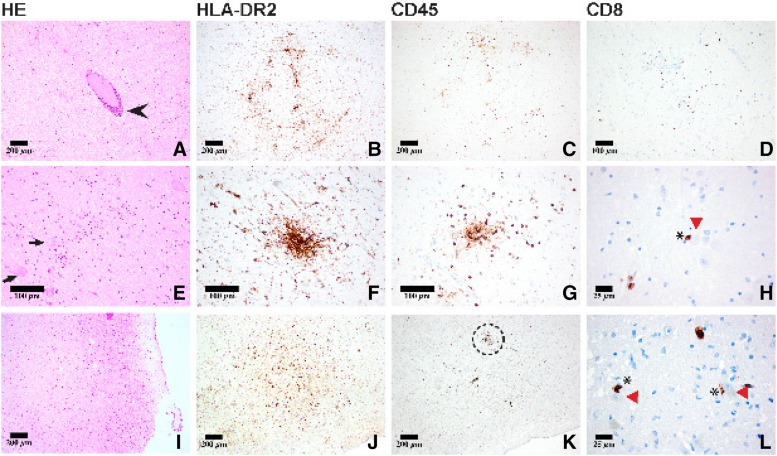
Checkpoint inhibitors are increasingly being used in the treatment of malignant melanoma and other cancers. With the use of such therapies, autoimmune-mediated adverse events in the central and peripheral nervous system are likely to occur more frequently. We report a unique case of brainstem encephalitis with a sudden lethal outcome following ipilimumab and pembrolizumab therapy in a patient with malignant melanoma. The autopsy showed a diffuse nodular activation of microglia in the whole encephalon with prominent intraparenchymal and perivascular lymphocytic infiltration of the brainstem. Non-infectious brainstem encephalitis is a well-recognized subset of paraneoplastic encephalitis. Brainstem involvement is usually accompanied by a wide spectrum of signs and symptoms, which were not observed in this case. The timing of the clinical symptoms as well as the histopathological findings suggest an autoimmune-adverse event of ipilimumab and pembrolizumab administration rather than a paraneoplastic disorder. In the presence of neurological symptoms, immediate cessation of the immunotherapy and immunosuppressive therapy may lead to successful therapeutic intervention, as described in previous reports. Therefore, it is crucial that physicians are aware of the possible side effects of immunotherapies on the nervous system.
Implications for practice: Metastatic melanoma patients treated with the anti-CTLA-4 inhibitor ipilimumab have a high utilization of various types of health care services, such as inpatient hospital stays or doctor visits. There are differences across countries regarding patterns of health care utilization and economic burden of the disease. Health care services are used more frequently after patients experience progression of their disease. The study highlights that better therapies leading to durable response in patients with metastatic melanoma have the potential to decrease health care costs and patient burden in terms of hospitalizations and other health care services.
© AlphaMed Press 2017.
Conflict of interest statement
Disclosures of potential conflicts of interest may be found at the end of this article.
Figures
References
Publication types
MeSH terms
Substances
LinkOut - more resources
Full Text Sources
Other Literature Sources
Medical
