Review
. 2017 May;54(6):1729-1741.
doi: 10.1007/s13197-017-2579-7. Epub 2017 Mar 16.

Achiote (Bixa orellana L.): a natural source of pigment and vitamin E

Affiliations
Review

Achiote (Bixa orellana L.): a natural source of pigment and vitamin E

Denise Raddatz-Mota et al. J Food Sci Technol. 2017 May.

Abstract

Commercialization of agricultural products, including seeds and its derived products, represents an important economic source for developing countries. Natural colorants obtained from the seeds of achiote plant (annatto) have been used since pre-Hispanic times. Also, production of this crop has been important for Mayan cuisine. Annual world production of achiote seeds is approximately 14,500 tons (dry weight). Two thirds of the production is commercialized as dried seeds and the rest as colorant. Latin America produces 60% of the total world production, followed by Africa (27%) and Asia (12%). The main producers in Latin America are Peru, Brazil and Mexico. The purpose of the present paper is to review the most recent literature on Bixa orellana L. focusing on bixin, norbixin, tocotrienols and tocopherols biosynthesis, use and industrial applications of annatto extracts, as well as its nutraceutical potential and its benefits for human health.

Keywords: Annatto extract; Bixin; Norbixin; Tocopherols; Tocotrienols.


Figures
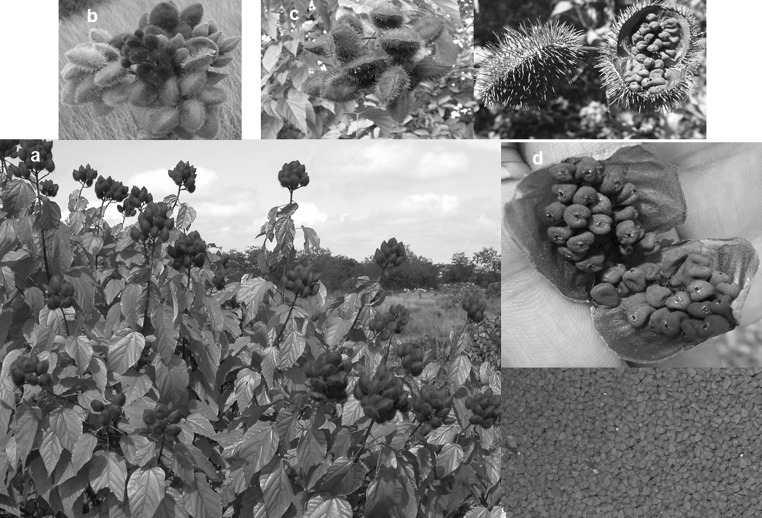
Fig. 1
Fig. 1
a Plant of achiote (Bixa orellana L.), b biological diversity, c fruits and d Seeds
Fig. 2
Fig. 2
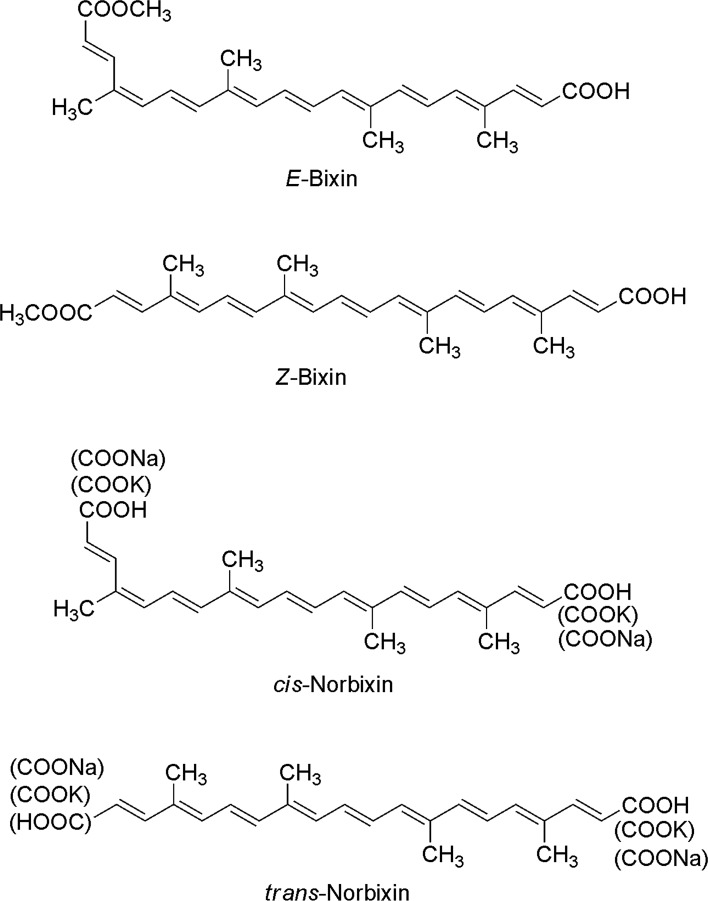
The structural formulae of bixin and norbixina (modified from Smith 2006)
Fig. 3
Fig. 3
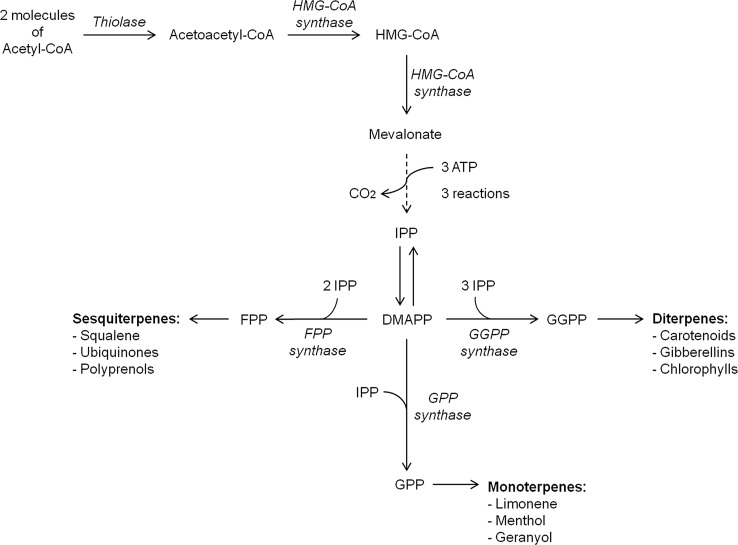
Pathway of biosynthesis of isoprenoid compounds. Abbreviations HMG-CoA β-hydroxy-β-methylglutaryl-coenzyme A, ATP adenosine triphosphate, IPP isopentenyl diphosphate, DMAPP dimethylallyl diphosphate, FPP farnesyl diphosphate, GGPP geranylgeranyl diphosphate, GPP geranyl diphosphate (modified from Schmidt et al. 2010)
Fig. 4
Fig. 4
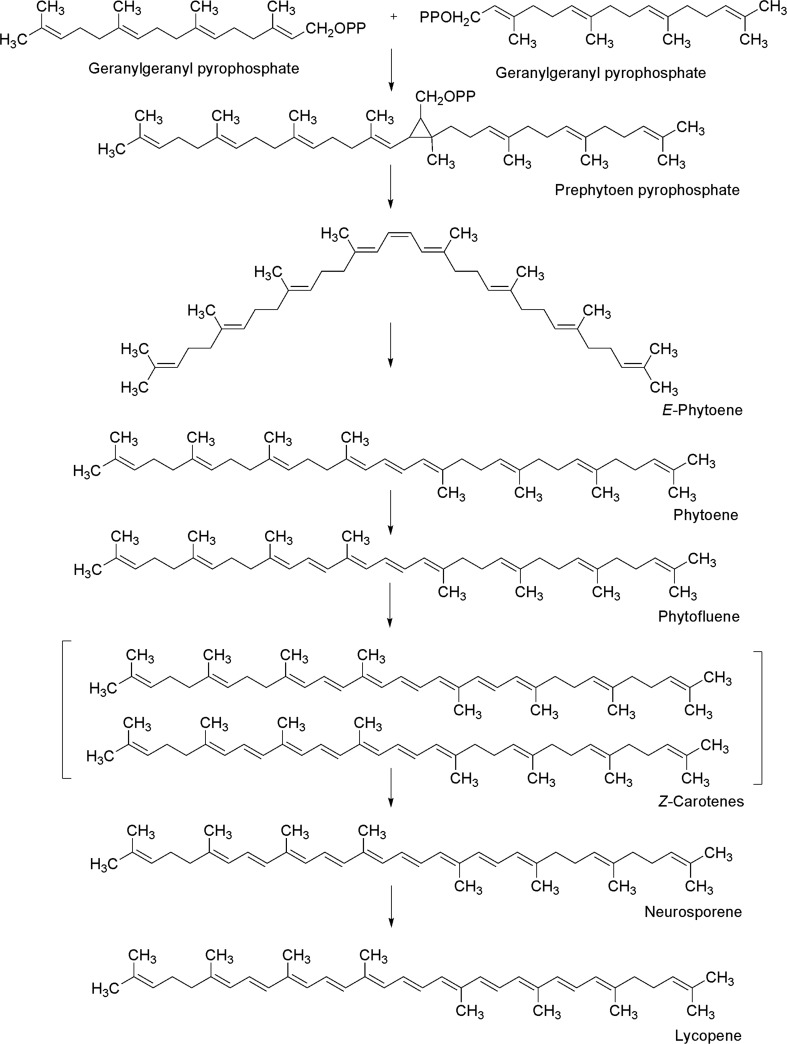
Lycopene biosynthesis (modified from Delgado-Vargas et al. 2000)
Fig. 5
Fig. 5
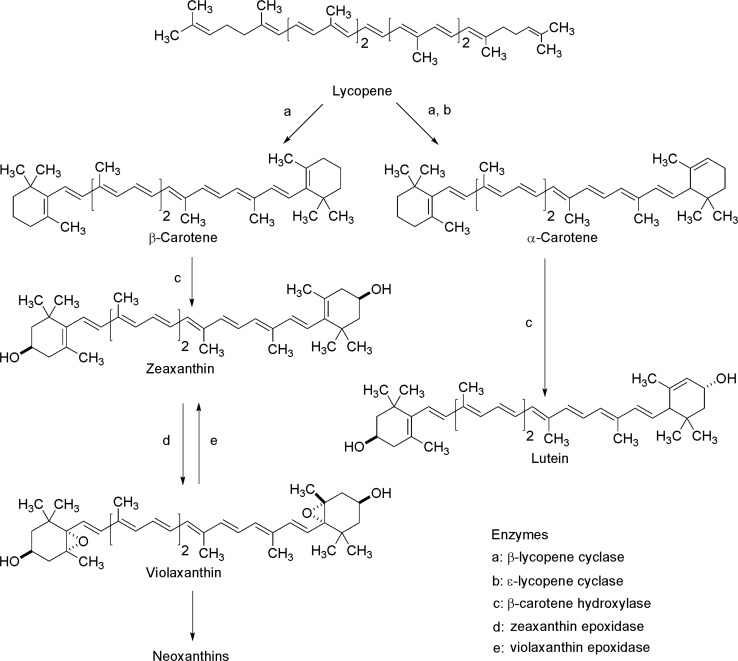
Formation of carotenoids from lycopene (modified from Delgado-Vargas et al. 2000)
Fig. 6
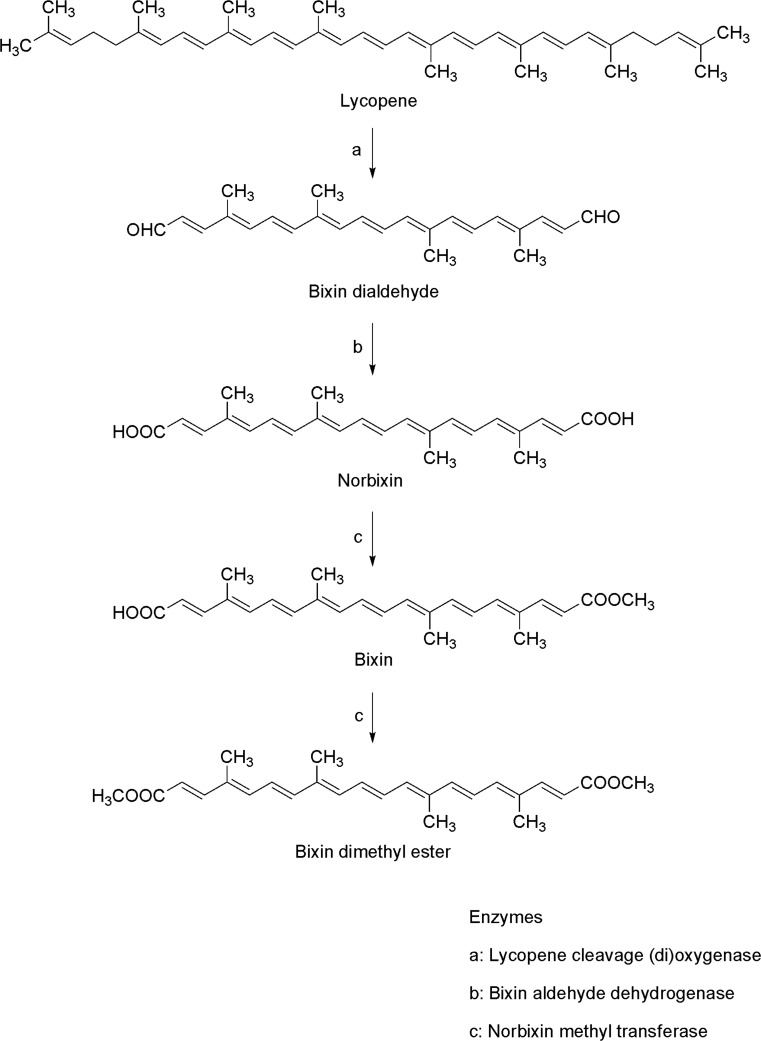
Fig. 6
Proposed bixin biosynthesis pathway. All compounds are shown in their all-trans configuration (modified from Giuliano et al. 2003)
Fig. 7
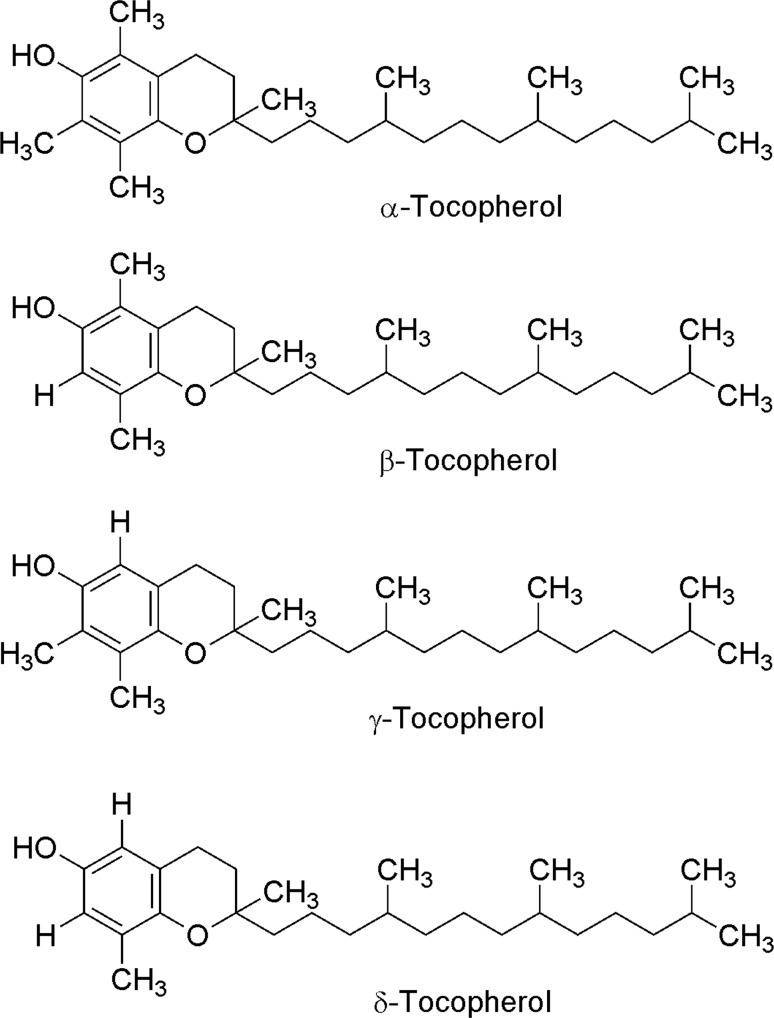
Fig. 7
Chemical structure of tocopherols (modified from Aggarwal et al. 2010)
Fig. 8
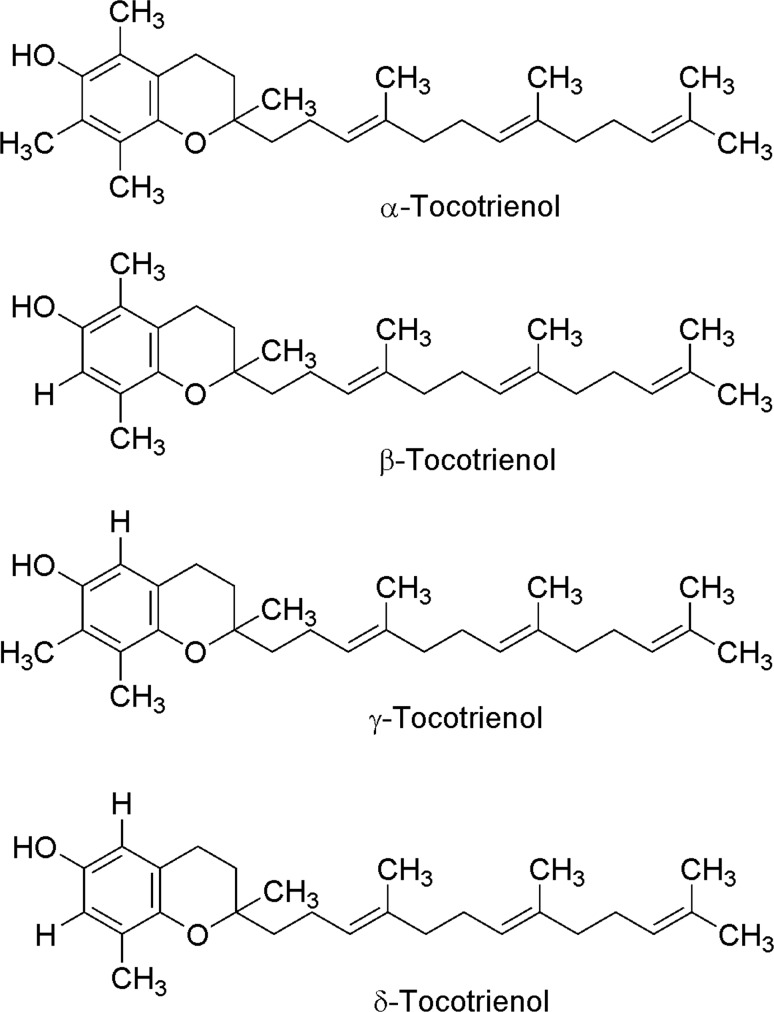
Fig. 8
Chemical structure of tocotrienols (modified from Aggarwal et al. 2010)
Fig. 9
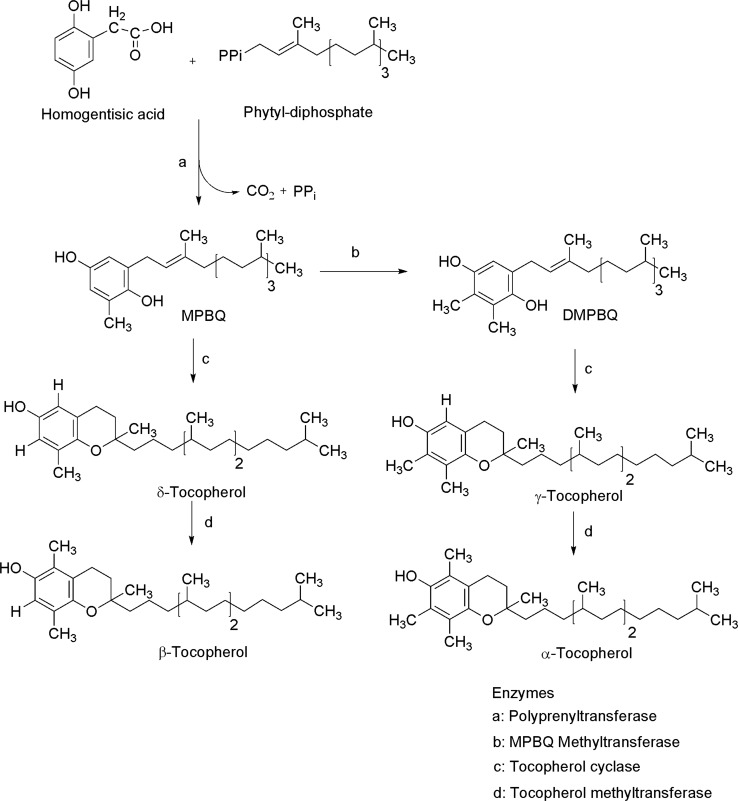
Fig. 9
Tocopherols biosynthesis (modified from Eitenmiller and Lee 2004)
Fig. 10
Fig. 10
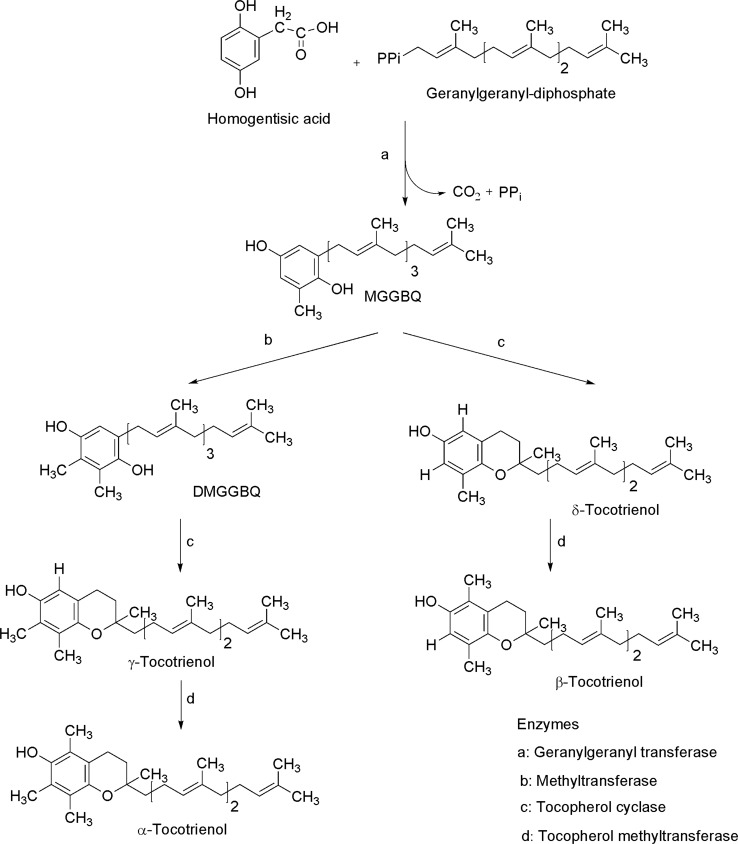
Tocotrienols biosynthesis (modified from Eitenmiller and Lee 2004)

References

    1. Aggarwal BB, Sundaram C, Prasad S, Kannappan R. Tocotrienols, the vitamin E of the 21st century: its potential against cancer and other chronic diseases. Biochem Pharmacol. 2010;80:1613–1631. doi: 10.1016/j.bcp.2010.07.043. - DOI - PMC - PubMed
    1. Almeida J, Quadrana L, Asís R, Setta N, Godoy F, Bermúdez L, Otaiza NS, Corréa da Silva JV, Fernie AR, Carrari F, Rossi M. Genetic dissection of vitamin E biosynthesis in tomato. J Exp Bot. 2011;62:3781–3798. doi: 10.1093/jxb/err055. - DOI - PMC - PubMed
    1. Cardarelli CR, Benassi MT, Mercadante AZ. Characterization of different annatto extracts based on antioxidant and colour properties. LWT-Food Sci Technol. 2008;41:1689–1693. doi: 10.1016/j.lwt.2007.10.013. - DOI
    1. Castro CV, Murcia SCL. Licopeno y Salud Humana. Rev Reciteia. 2013;12:42–79.
    1. Chisté RC, Mercadante AZ, Gomes A, Fernandes E, Lima JLFC, Bragagnolo N. In vitro scavenging capacity of annatto seed extracts against reactive oxygen and nitrogen species. Food Chem. 2011;127:419–426. doi: 10.1016/j.foodchem.2010.12.139. - DOI - PubMed