


The Preservation of Cognition 1 Year After Carotid Endarterectomy in Patients With Prior Cognitive Decline
- PMID: 28575478
- PMCID: PMC5711632
- DOI: 10.1093/neuros/nyx173
The Preservation of Cognition 1 Year After Carotid Endarterectomy in Patients With Prior Cognitive Decline
Abstract
Background: Vascular cognitive decline is critically important in the course of atherosclerosis and stroke.
Objective: To explore the hypothesis that carotid endarterectomy (CEA) by removing an unstable plaque may slow the course of vascular cognitive decline in both symptomatic and asymptomatic patients.
Methods: Patients with clinically significant (>60%) carotid stenosis were studied preop and 1 yr post-CEA for clinical symptoms, vascular cognitive decline, instability of carotid plaque-presence of microemboli, brain white matter changes, and medical risk factors.
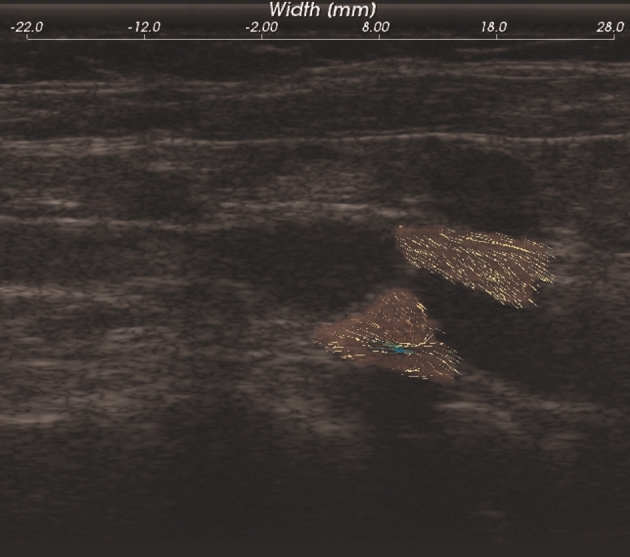
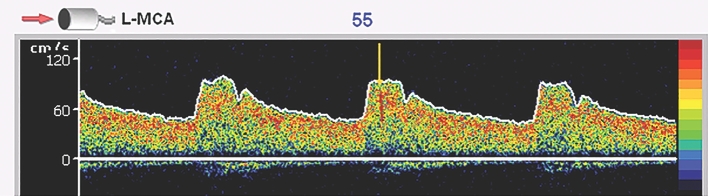
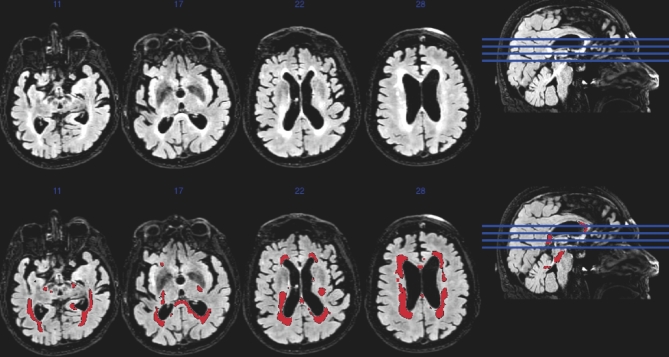
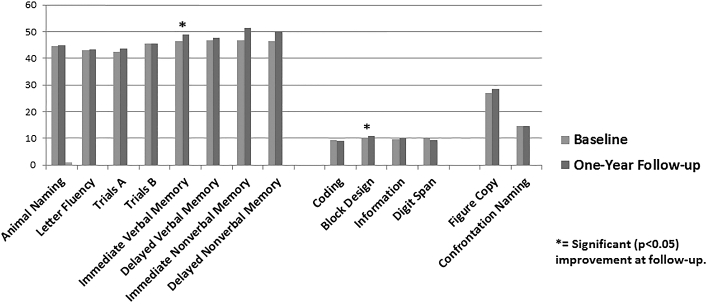
Results: Forty-six percent were classically symptomatic. All patients showed vascular cognitive decline at presentation which correlated with degree of plaque instability. Significant white matter hyperintensity changes (48.7%) and cerebral emboli (25%) were also seen at baseline in both classically symptomatic and asymptomatic. One year after CEA, both groups showed no decline in cognitive function and significant improvement in 2 tests (P = .028 and P = .013). Brain white matter hyperintensities were unchanged. Microemboli were reduced but remained present (17.86%). Improvement was predicted by the presence of hypertension (P = .001), or less advanced cognitive decline preoperatively (P = .009).
Conclusion: This study demonstrates the importance of vascular cognitive decline in atherosclerotic disease. This is a function of the degree of instability of the atherosclerotic plaque more than the presence of stroke symptoms. It further suggests that atherosclerotic vascular cognitive decline need not be inevitable, and may be modified by treating hypertension and removal of the unstable plaque. This highlights the need for continued research on the cognitive effects of cerebrovascular disease and the synergistic benefits of intensive medical and surgical therapy.
Published by Oxford University Press on behalf of Congress of Neurological Surgeons 2017.
Figures
Comment in
-
Letter: The Preservation of Cognition 1 Year After Carotid Endarterectomy in Patients With Prior Cognitive Decline.Neurosurgery. 2018 Oct 1;83(4):E179-E180. doi: 10.1093/neuros/nyy323. Neurosurgery. 2018. PMID: 31222268 No abstract available.
-
In Reply: The Preservation of Cognition 1 Year After Carotid Endarterectomy in Patients With Prior Cognitive Decline.Neurosurgery. 2018 Oct 1;83(4):E181. doi: 10.1093/neuros/nyy325. Neurosurgery. 2018. PMID: 31222269 Free PMC article. No abstract available.
References
-
- Vermeer SE, Prins ND, den Heijer T, Hofman A, Koudstaal PJ, Breteler MM. Silent brain infarcts and the risk of dementia and cognitive decline. N Engl J Med. 2003;348(13):1215-1222. - PubMed
-
- Leary MC, Saver JL. Annual incidence of first silent stroke in the United States: a preliminary estimate. Cerebrovasc Dis. 2003;16(3):280-285. - PubMed
MeSH terms
Grants and funding
LinkOut - more resources
Full Text Sources
Other Literature Sources
Medical
