


Genetic determinants of inherited susceptibility to hypercholesterolemia - a comprehensive literature review
- PMID: 28577571
- PMCID: PMC5457620
- DOI: 10.1186/s12944-017-0488-4
Genetic determinants of inherited susceptibility to hypercholesterolemia - a comprehensive literature review
Abstract
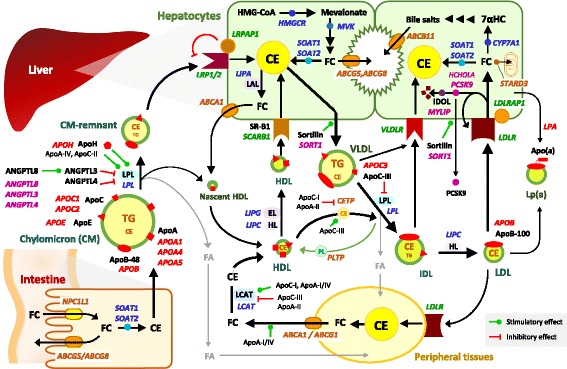
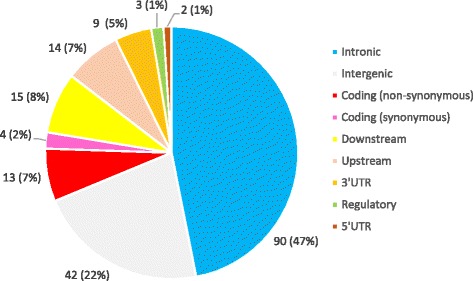
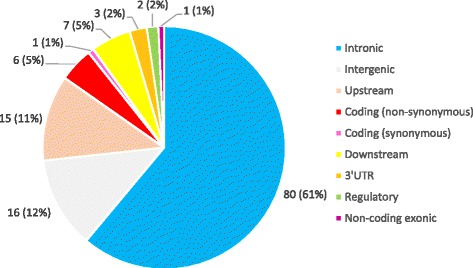
Hypercholesterolemia is a strong determinant of mortality and morbidity associated with cardiovascular diseases and a major contributor to the global disease burden. Mutations in four genes (LDLR, APOB, PCSK9 and LDLRAP1) account for the majority of cases with familial hypercholesterolemia. However, a substantial proportion of adults with hypercholesterolemia do not have a mutation in any of these four genes. This indicates the probability of having other genes with a causative or contributory role in the pathogenesis of hypercholesterolemia and suggests a polygenic inheritance of this condition. Here in, we review the recent evidence of association of the genetic variants with hypercholesterolemia and the three lipid traits; total cholesterol (TC), HDL-cholesterol (HDL-C) and LDL-cholesterol (LDL-C), their biological pathways and the associated pathogenetic mechanisms. Nearly 80 genes involved in lipid metabolism (encoding structural components of lipoproteins, lipoprotein receptors and related proteins, enzymes, lipid transporters, lipid transfer proteins, and activators or inhibitors of protein function and gene transcription) with single nucleotide variants (SNVs) that are recognized to be associated with hypercholesterolemia and serum lipid traits in genome-wide association studies and candidate gene studies were identified. In addition, genome-wide association studies in different populations have identified SNVs associated with TC, HDL-C and LDL-C in nearly 120 genes within or in the vicinity of the genes that are not known to be involved in lipid metabolism. Over 90% of the SNVs in both these groups are located outside the coding regions of the genes. These findings indicates that there might be a considerable number of unrecognized processes and mechanisms of lipid homeostasis, which when disrupted, would lead to hypercholesterolemia. Knowledge of these molecular pathways will enable the discovery of novel treatment and preventive methods as well as identify the biochemical and molecular markers for the risk prediction and early detection of this common, yet potentially debilitating condition.
Keywords: Candidate gene studies; Genome-wide association studies; Hypercholesterolemia; Lipid metabolism; Single nucleotide variants.
Figures
References
-
- Global Health Observatory. Geneva: World Health Organization. http://www.who.int/gho/en/. Accessed 10 Jan 2017.
-
- Global Health Estimates 2013 . Deaths by cause, age and sex; estimates for 2000–2012. Geneva: World Health Organization; 2014.
-
- Projections of mortality and causes of death, 2015 and 2030. Geneva: World Health Organization. http://www.who.int/healthinfo/global_burden_disease/projections/en/. Accessed 10 Jan 2017.
Publication types
MeSH terms
Substances
LinkOut - more resources
Full Text Sources
Other Literature Sources
Medical
Miscellaneous
