Review
. 2017 Sep:69:18-25.
doi: 10.1016/j.semcdb.2017.05.018. Epub 2017 May 31.

Molecular and cytoskeletal regulations in epidermal development

Affiliations
Review

Molecular and cytoskeletal regulations in epidermal development

Jimmy Lee et al. Semin Cell Dev Biol. 2017 Sep.

Abstract

At the surface of the body, the epidermis covers great depth in its developmental regulation. While many genes have been shown to be important for skin development through their associations with disease phenotypes in mice and human, it is in the past decade that the intricate interplay between various molecules become gradually revealed through sophisticated genetic models and imaging analyses. In particular, there is increasing evidence suggesting that cytoskeleton-associated proteins, including adhesion proteins and the crosslinker proteins may play critical roles in regulating epidermis development. We here provide a broad overview of the various molecules involved in epidermal development with special emphasis on the cytoskeletal components.

Keywords: Cell junction; Cytoskeleton; Molecular mechanism; Skin development; Spectraplakin.


Figures

Figure 1
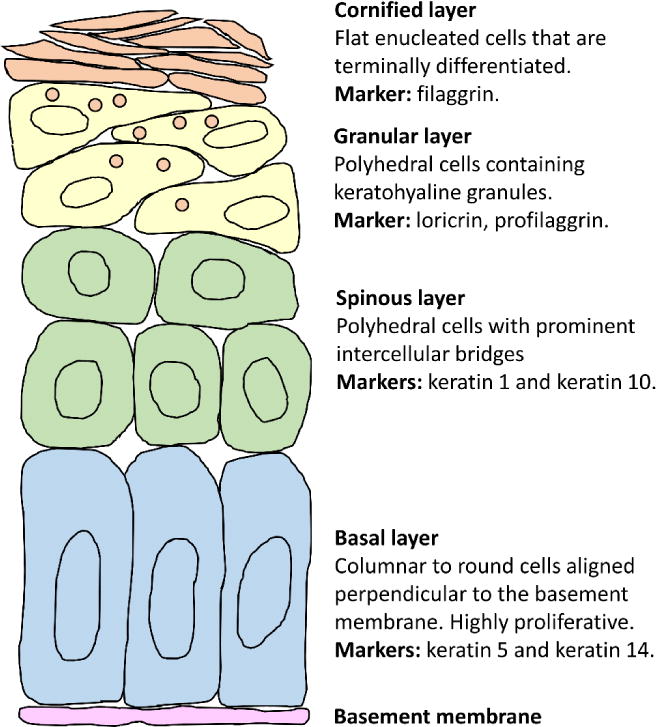
Figure 1. Epidermis layers and skin differentiation
The cross section of the epidermis and the basement membrane underneath is depicted. Basal keratinocytes are attached to the basement membrane and are the only proliferative cells in normal skin epidermis. When basal cells are committed to differentiation, they move away from the basement membrane and generate three layers of differentiated cells: the spinous layer, granular layer and cornified layer. Key morphological features and protein markers of each layer are shown in the right.
Figure 2
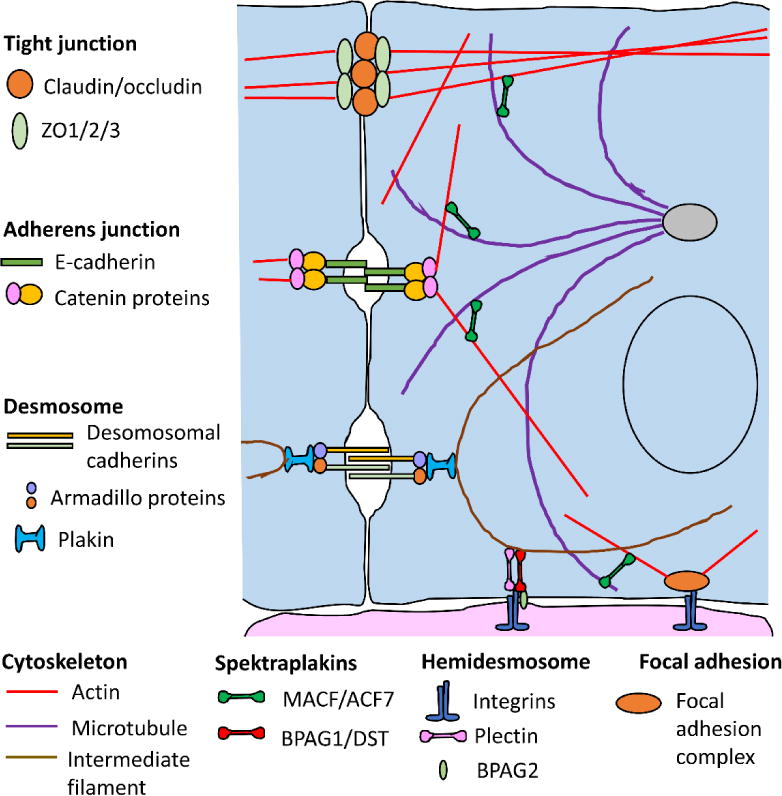
Figure 2. Cytoskeletal proteins in keratinocytes
Schematic view of a basal keratinocyte attached to the basement membrane, with key cytoskeletal proteins depicted. Cytoskeletal proteins not only provide mechanical strength, but may also play important regulatory roles. Tight junctions seal the intercellular space between neighboring cells and also interact with actin filaments in the cell. Adherens junction interact with actin through α- and β-catenins and regulates differentiation through Wnt/β-catenin. Desmosomes interacts with keratin filaments and also regulate keratinocyte differentiation. The two spetraplakins, BPAG1 and ACF7 are both important for cell motility and establishing polarity. BPAG1 is part of the hemidesmosome and crosslinks it to keratin filaments. ACF7 crosslinks microtubules and actin, and is essential for focal adhesion dynamics during cell migration.

References

    1. Blanpain C, Fuchs E. Epidermal stem cells of the skin. Annu Rev Cell Dev Biol. 2006;22:339–73. - PMC - PubMed
    1. Rishikaysh P, Dev K, Diaz D, Qureshi WM, Filip S, Mokry J. Signaling involved in hair follicle morphogenesis and development. Int J Mol Sci. 2014;15(1):1647–70. - PMC - PubMed
    1. Marinkovich MP, Keene DR, Rimberg CS, Burgeson RE. Cellular origin of the dermal-epidermal basement membrane. Dev Dyn. 1993;197(4):255–67. - PubMed
    1. Fuchs E, Raghavan S. Getting under the skin of epidermal morphogenesis. Nat Rev Genet. 2002;3(3):199–209. - PubMed
    1. Potten CS. The epidermal proliferative unit: the possible role of the central basal cell. Cell Tissue Kinet. 1974;7(1):77–88. - PubMed

Publication types

Substances

LinkOut - more resources