


Neuroketotherapeutics: A modern review of a century-old therapy
- PMID: 28579059
- PMCID: PMC5711637
- DOI: 10.1016/j.neuint.2017.05.019
Neuroketotherapeutics: A modern review of a century-old therapy
Abstract
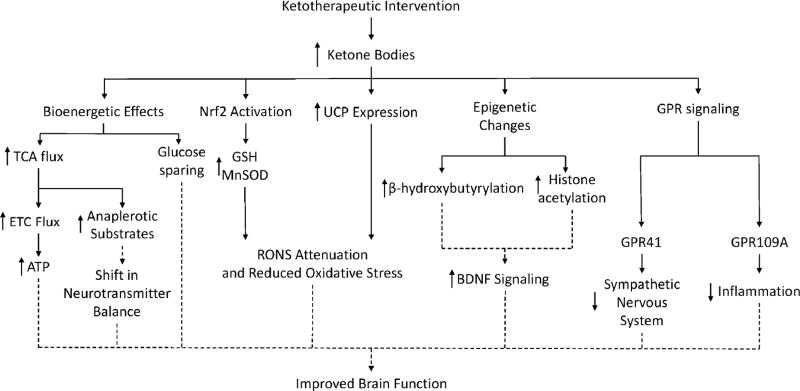
Neuroketotherapeutics represent a class of bioenergetic medicine therapies that feature the induction of ketosis. These therapies include medium-chain triglyceride supplements, ketone esters, fasting, strenuous exercise, the modified Atkins diet, and the classic ketogenic diet. Extended experience reveals persons with epilepsy, especially pediatric epilepsy, benefit from ketogenic diets although the mechanisms that underlie its effects remain unclear. Data indicate ketotherapeutics enhance mitochondrial respiration, promote neuronal long-term potentiation, increase BDNF expression, increase GPR signaling, attenuate oxidative stress, reduce inflammation, and alter protein post-translational modifications via lysine acetylation and β-hydroxybutyrylation. These properties have further downstream implications involving Akt, PLCγ, CREB, Sirtuin, and mTORC pathways. Further studies of neuroketotherapeutics will enhance our understanding of ketone body molecular biology, and reveal novel central nervous system therapeutic applications.
Keywords: Alzheimer's disease; Bioenergetics; Ketogenic diet; Ketone bodies; Mitochondria; β-hydroxybutyrate.
Copyright © 2017 Elsevier Ltd. All rights reserved.
Figures
References
-
- Adam PA, Raiha N, Rahiala EL, Kekomaki M. Oxidation of glucose and D-B-OH-butyrate by the early human fetal brain. Acta Paediatr Scand. 1975;64:17–24. - PubMed
-
- Al-Mudallal AS, LaManna JC, Lust WD, Harik SI. Diet-induced ketosis does not cause cerebral acidosis. Epilepsia. 1996;37:258–261. - PubMed
-
- Apfelbaum M, Lacatis D, Reinberg A, Assan R. Persisting circadian rhythm in insulin, glucagon, cortisol etc. of healthy young women during caloric restriction (protein diet) Rev Med Chir Soc Med Nat Iasi. 1972;76:123–130. - PubMed
-
- Barborka CJ. Ketogenic diet treatment of epilepsy in adults. Journal of the American Medical Association. 1928;91:73–78.
Publication types
MeSH terms
Substances
Grants and funding
LinkOut - more resources
Full Text Sources
Other Literature Sources
