


A new arginine-based dental adhesive system: formulation, mechanical and anti-caries properties
- PMID: 28587978
- PMCID: PMC5568561
- DOI: 10.1016/j.jdent.2017.05.024
A new arginine-based dental adhesive system: formulation, mechanical and anti-caries properties
Abstract
Secondary caries at the margins of composite restorations has been attributed to adhesive failure and consequent accumulation of cariogenic biofilms.
Objectives: To develop and evaluate an etch-and-rinse adhesive system containing arginine for sustainable release and recharge without affecting its mechanical properties. Arginine metabolism by oral bacteria generates ammonia, which neutralizes glycolytic acids and creates a neutral environmental pH that is less favorable to the growth of caries pathogens, thus reducing the caries risk at the tooth-composite interface.
Methods: Experimental adhesives were formulated with methacrylate monomers and arginine at 5%, 7%, and 10% or no arginine (control). Adhesives were tested for: (i) mechanical properties of true stress (FS and UTS), modulus of elasticity (E), degree of conversion (DC), Knoop hardness number (KHN) and dentin microtensile bond strength (μ-TBS), (ii) arginine release and recharge, and (iii) antibacterial activities. Data was analyzed by t-test, one-way ANOVA and Tukey's tests.
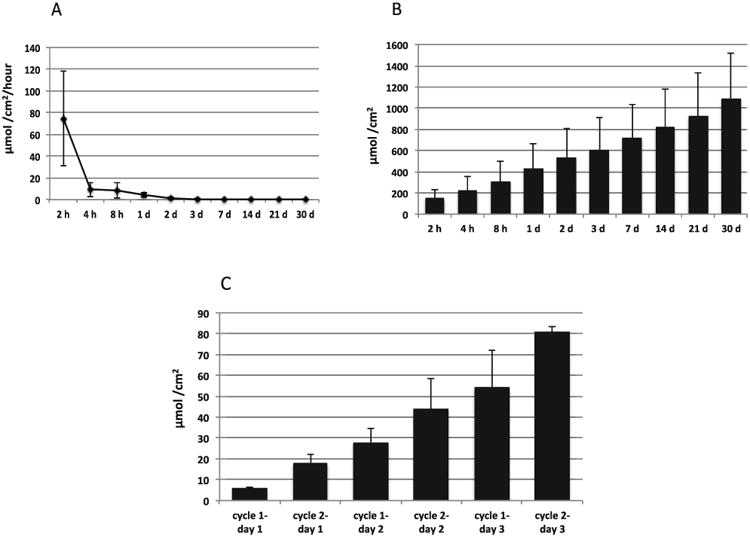
Results: FS and UTS results showed no statistically significant differences between the 7% arginine-adhesive and control, while the results for E, DC, KHN and μ-TBS showed no difference among all groups. The 7% arginine-adhesive showed a high release rate of arginine (75.0μmol/cm2) at 2h, and a more sustainable, controlled release rate (up to 0.2μmol/cm2) at 30days.
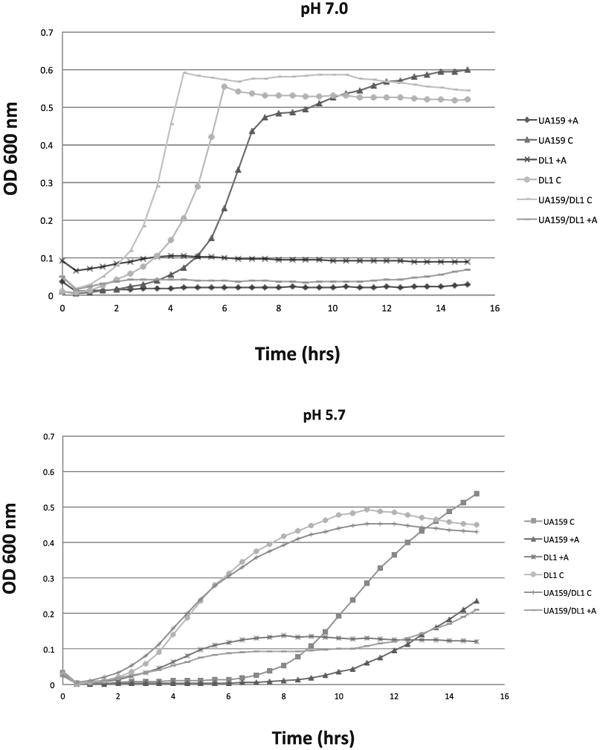
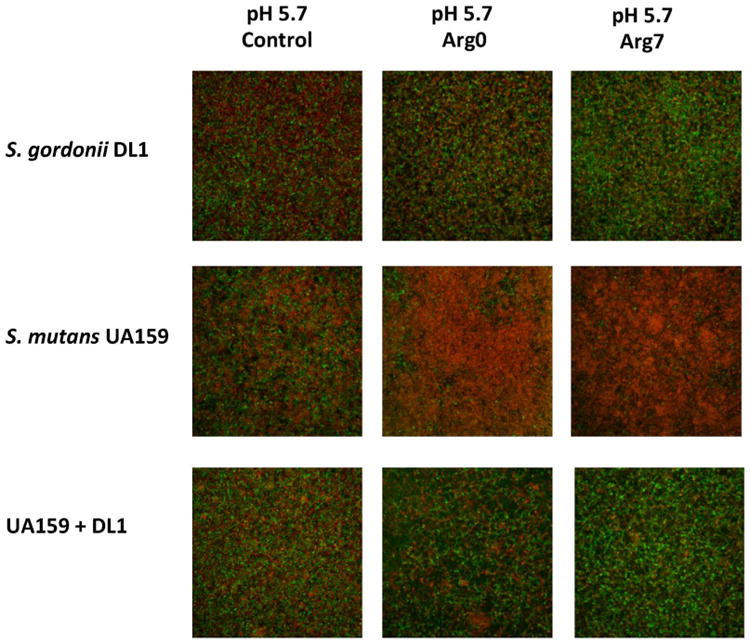
Conclusions: Incorporation of 7% arginine did not affect the physical and mechanical properties of the adhesive. Arginine was released from the adhesive at a rate and concentration that exhibited antibacterial effects, regardless of shifts in biofilm conditions such as sugar availability and pH.
Clinical significance: Secondary caries is recognized as the main reason for failure of dental restorations. The development of an arginine-based adhesive system has the potential to dramatically reduce the incidence and severity of secondary caries in adhesive restorations in a very economical fashion.
Keywords: Arginine; Caries; Dental adhesives; Oral biofilms; Secondary caries.
Copyright © 2017 Elsevier Ltd. All rights reserved.
Conflict of interest statement
Figures
References
-
- Giachetti L, Bertini F, Bambi C, Scaminaci Russo D. A rational use of dental materials in posterior direct resin restorations in order to control polymerization shrinkage stress. Minerva Stomatol. 2007;56:129–138. - PubMed
-
- Mullejans R, Lang H, Schuler N, Baldawi MO, Raab WH. Increment technique for extended Class V restorations: an experimental study. Oper Dent. 2003;28:352–356. - PubMed
MeSH terms
Substances
Grants and funding
LinkOut - more resources
Full Text Sources
Other Literature Sources
Medical
Research Materials
