


Meta-analysis of pre-operative magnetic resonance imaging (MRI) and surgical treatment for breast cancer
- PMID: 28589366
- PMCID: PMC5580248
- DOI: 10.1007/s10549-017-4324-3
Meta-analysis of pre-operative magnetic resonance imaging (MRI) and surgical treatment for breast cancer
Abstract
Background: Although there is no consensus on whether pre-operative MRI in women with breast cancer (BC) benefits surgical treatment, MRI continues to be used pre-operatively in practice. This meta-analysis examines the association between pre-operative MRI and surgical outcomes in BC.
Methods: A systematic review was performed to identify studies reporting quantitative data on pre-operative MRI and surgical outcomes (without restriction by type of surgery received or type of BC) and using a controlled design. Random-effects logistic regression calculated the pooled odds ratio (OR) for each surgical outcome (MRI vs. no-MRI groups), and estimated ORs stratified by study-level age. Subgroup analysis was performed for invasive lobular cancer (ILC).
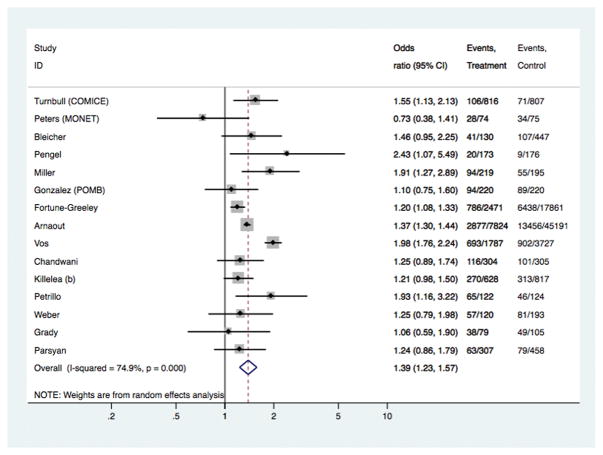
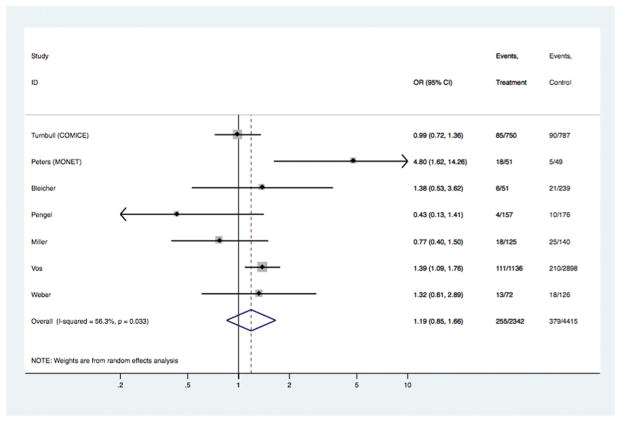
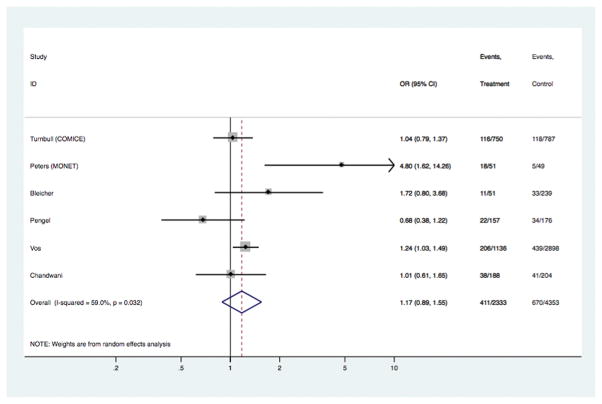
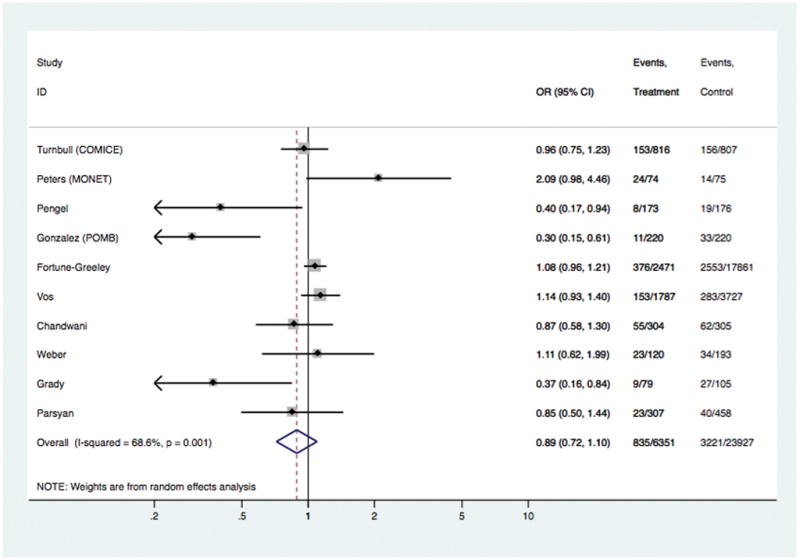
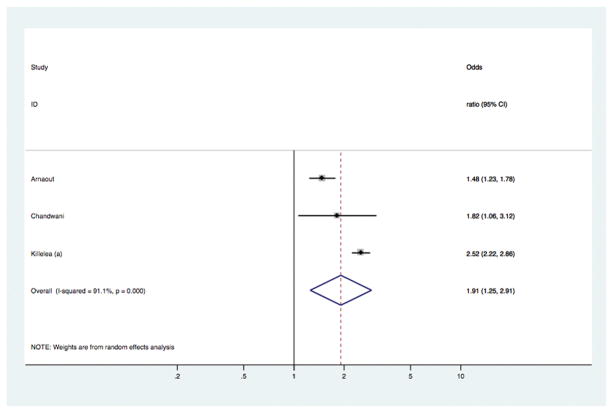
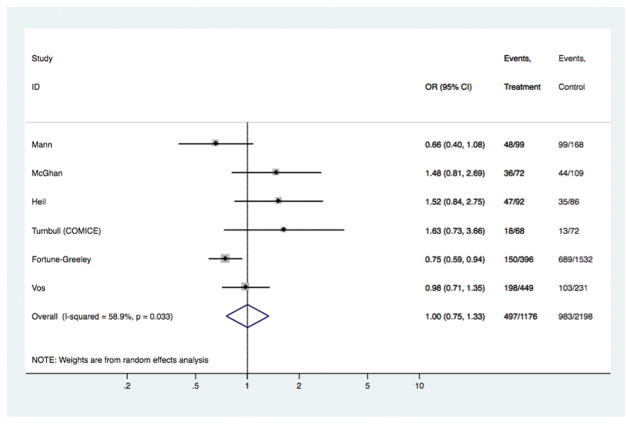
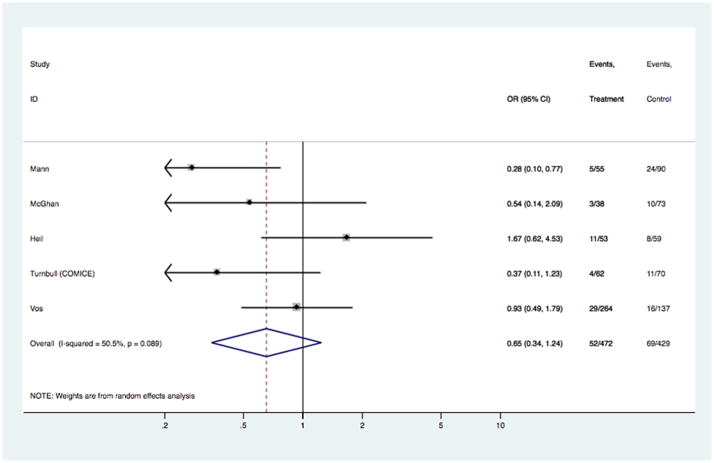
Results: Nineteen studies met eligibility criteria: 3 RCTs and 16 comparative studies that included newly diagnosed BC of any type except for three studies restricted to ILC. Primary analysis (85,975 subjects) showed that pre-operative MRI was associated with increased odds of receiving mastectomy [OR 1.39 (1.23, 1.57); p < 0.001]; similar findings were shown in analyses stratified by study-level median age. Secondary analyses did not find statistical evidence of an effect of MRI on the rates of re-excision, re-operation, or positive margins; however, MRI was significantly associated with increased odds of receiving contralateral prophylactic mastectomy [OR 1.91 (1.25, 2.91); p = 0.003]. Subgroup analysis for ILC did not find any association between MRI and the odds of receiving mastectomy [OR 1.00 (0.75, 1.33); p = 0.988] or the odds of re-excision [OR 0.65 (0.35, 1.24); p = 0.192].
Conclusions: Pre-operative MRI is associated with increased odds of receiving ipsilateral mastectomy and contralateral prophylactic mastectomy as surgical treatment in newly diagnosed BC patients.
Keywords: Breast cancer; Breast-conserving surgery; Magnetic resonance imaging; Mastectomy; Meta-analysis; Re-operation.
Figures
References
-
- Morrow M, Waters J, Morris E. MRI for breast cancer screening, diagnosis, and treatment. Lancet. 2011;378:1804–1811. - PubMed
-
- Houssami N, Hayes DF. Review of preoperative magnetic resonance imaging (MRI) in breast cancer: should MRI be performed on all women with newly diagnosed, early stage breast cancer? CA: a Cancer Journal for Clinicians. 2009;59:290–302. - PubMed
-
- Turnbull L, Brown S, Harvey I, et al. Comparative effectiveness of MRI in breast cancer (COMICE) trial: a randomised controlled trial. Lancet. 2010;375:563–571. - PubMed
-
- Pilewskie M, King TA. Magnetic resonance imaging in patients with newly diagnosed breast cancer: a review of the literature. Cancer. 2014;120:2080–2089. - PubMed
-
- Jatoi I, Benson JR. The case against routine preoperative breast MRI. [Review] Future Oncology. 2013;9:347–353. - PubMed
Publication types
MeSH terms
Grants and funding
LinkOut - more resources
Full Text Sources
Other Literature Sources
Medical
Miscellaneous
