


Radix Bupleuri: A Review of Traditional Uses, Botany, Phytochemistry, Pharmacology, and Toxicology
- PMID: 28593176
- PMCID: PMC5448051
- DOI: 10.1155/2017/7597596
Radix Bupleuri: A Review of Traditional Uses, Botany, Phytochemistry, Pharmacology, and Toxicology
Abstract
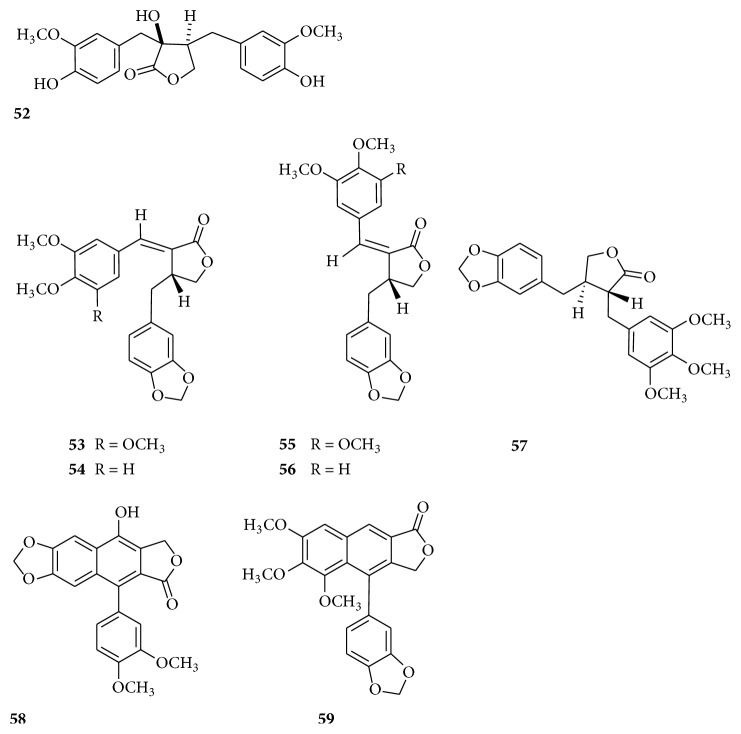
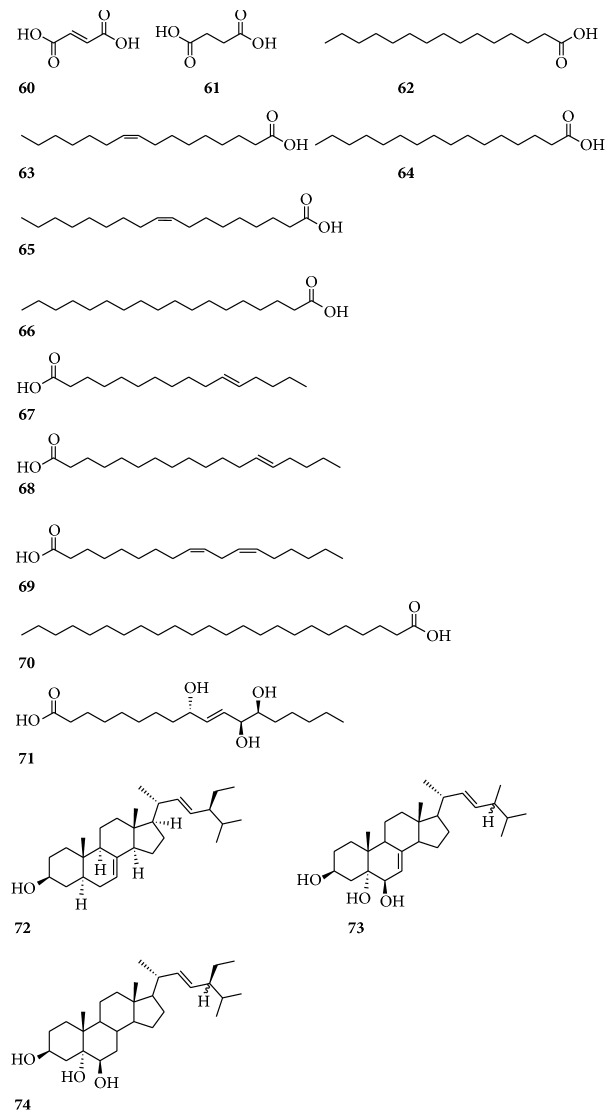
Radix Bupleuri (Chaihu) has been used as a traditional medicine for more than 2000 years in China, Japan, Korea, and other Asian countries. Phytochemical studies demonstrated that this plant contains essential oils, triterpenoid saponins, polyacetylenes, flavonoids, lignans, fatty acids, and sterols. Crude extracts and pure compounds isolated from Radix Bupleuri exhibited various biological activities, such as anti-inflammatory, anticancer, antipyretic, antimicrobial, antiviral, hepatoprotective, neuroprotective, and immunomodulatory effects. However, Radix Bupleuri could also lead to hepatotoxicity, particularly in high doses and with long-term use. Pharmacokinetic studies have demonstrated that the major bioactive compounds (saikosaponins a, b2, c, and d) were absorbed rapidly in rats after oral administration of the extract of Radix Bupleuri. This review aims to comprehensively summarize the traditional uses, botany, phytochemistry, pharmacology, toxicology, and pharmacokinetics of Radix Bupleuri reported to date with an emphasis on its biological properties and mechanisms of action.
Figures
References
-
- Editorial Committee of Chinese Pharmacopoeia, Chinese Pharmacopoeia. 2015. Beijing, China: Medical Science and Technology Press; 2015.
-
- Wang Y. S., Chang H. M., But P. P. H. Pharmacology and applications of Chinese. Singapore: Material Medica World Scientific; 1987.
Publication types
MeSH terms
Substances
LinkOut - more resources
Full Text Sources
Other Literature Sources
