


Effects of moderate alcohol consumption on gene expression related to colonic inflammation and antioxidant enzymes in rats
- PMID: 28599714
- PMCID: PMC5512456
- DOI: 10.1016/j.alcohol.2017.02.179
Effects of moderate alcohol consumption on gene expression related to colonic inflammation and antioxidant enzymes in rats
Abstract
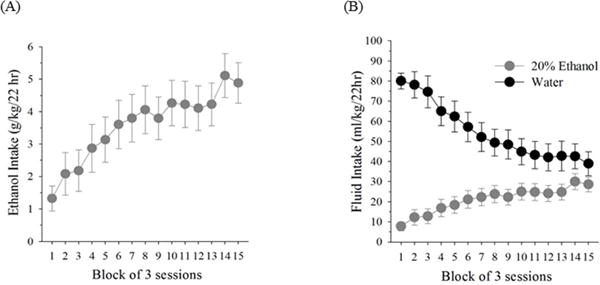
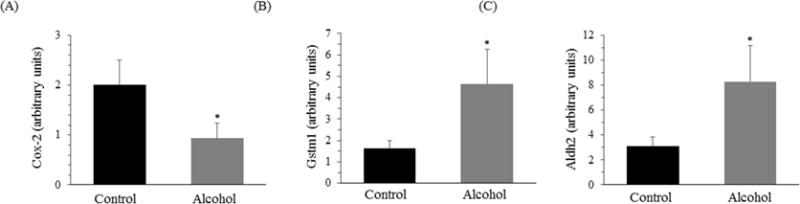
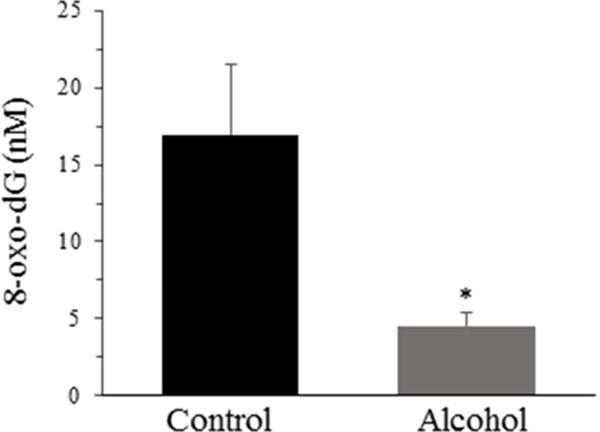
Excessive alcohol consumption is a risk factor associated with colorectal cancer; however, some studies have reported that moderate alcohol consumption may not contribute additional risk for developing colorectal cancer while others suggest that moderate alcohol consumption provides a protective effect that reduces colorectal cancer risk. The purpose of this study was to determine the effects of moderate voluntary alcohol (20% ethanol) intake on alternate days for 3 months in outbred Wistar rats on risk factors associated with colorectal cancer development. Colonic gene expression of cyclooxygenase-2, RelA, 8-oxoguanine DNA glycosylase 1, superoxide dismutase, catalase, glutathione peroxidase, glutathione reductase, glutathione-S-transferase M1, and aldehyde dehydrogenase 2 were determined. Blood alcohol content, liver function enzyme activities, and 8-oxo-deoxyguanosine DNA adducts were also assessed. Alcohol-treated rats were found to have significantly lower 8-oxo-deoxyguanosine levels in blood, a marker of DNA damage. Alanine aminotransferase and lactate dehydrogenase were both significantly lower in the alcohol group. Moderate alcohol significantly decreased cyclooxygenase-2 gene expression, an inflammatory marker associated with colorectal cancer risk. The alcohol group had significantly increased glutathione-S-transferase M1 expression, an antioxidant enzyme that helps detoxify carcinogens, such as acetaldehyde, and significantly increased aldehyde dehydrogenase 2 expression, which allows for greater acetaldehyde clearance. Increased expression of glutathione-S-transferase M1 and aldehyde dehydrogenase 2 likely contributed to reduce mucosal damage that is caused by acetaldehyde accumulation. These results indicate that moderate alcohol may reduce the risk for colorectal cancer development, which was evidenced by reduced inflammation activity and lower DNA damage after alcohol exposure.
Keywords: Alcohol; Colorectal cancer; DNA damage; Inflammation; Moderate.
Copyright © 2017 Elsevier Inc. All rights reserved.
Conflict of interest statement
Authors have no conflict of interest.
Figures
References
-
- Brasser SM, McCaul ME, Houtsmuller EJ. Alcohol effects during acamprosate treatment: a dose-response study in humans. Alcoholism: Clinical and Experimental Research. 2004;28:1074–1083. - PubMed
-
- Choi SW, Stickel F, Baik HW, Kim YI, Seitz HK, Mason JB. Chronic alcohol consumption induces genomic but not p53-specific DNA hypomethylation in rat colon. The Journal of Nutrition. 1999;129:1945–1950. - PubMed
-
- Cippitelli A, Damadzic R, Singley E, Thorsell A, Ciccocioppo R, Eskay RL, et al. Pharmacological blockade of corticotropin-releasing hormone receptor 1 (CRH1R) reduces voluntary consumption of high alcohol concentrations in non-dependent Wistar rats. Pharmacology, Biochemistry, and Behavior. 2012;100:522–529. - PMC - PubMed
MeSH terms
Substances
Grants and funding
LinkOut - more resources
Full Text Sources
Other Literature Sources
Medical
Research Materials
