


Targeting Overconsumption of Sugar-Sweetened Beverages vs. Overall Poor Diet Quality for Cardiometabolic Diseases Risk Prevention: Place Your Bets!
- PMID: 28608806
- PMCID: PMC5490579
- DOI: 10.3390/nu9060600
Targeting Overconsumption of Sugar-Sweetened Beverages vs. Overall Poor Diet Quality for Cardiometabolic Diseases Risk Prevention: Place Your Bets!
Abstract
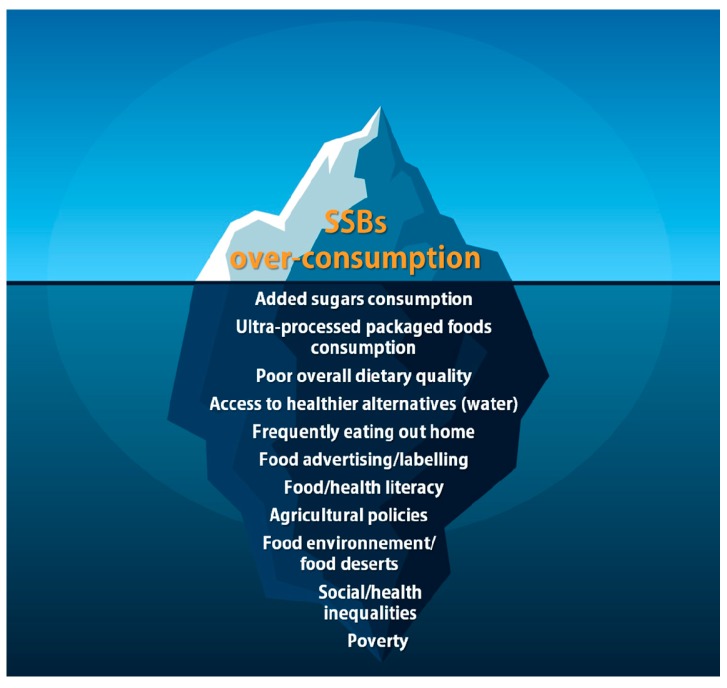
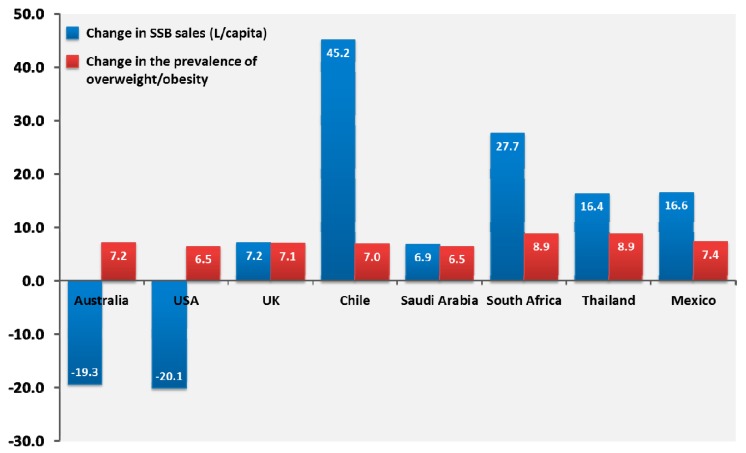
Chronic overconsumption of sugar-sweetened beverages (SSBs) is amongst the dietary factors most consistently found to be associated with obesity, type 2 diabetes (T2D) and cardiovascular disease (CVD) risk in large epidemiological studies. Intervention studies have shown that SSB overconsumption increases intra-abdominal obesity and ectopic lipid deposition in the liver, and also exacerbates cardiometabolic risk. Similar to the prevalence of obesity and T2D, national surveys of food consumption have shown that chronic overconsumption of SSBs is skyrocketing in many parts of the world, yet with marked heterogeneity across countries. SSB overconsumption is also particularly worrisome among children and adolescents. Although the relationships between SSB overconsumption and obesity, T2D, and CVD are rather consistent in epidemiological studies, it has also been shown that SSB overconsumption is part of an overall poor dietary pattern and is particularly prevalent among subgroups of the population with low socioeconomic status, thereby questioning the major focus on SSBs to target/prevent cardiometabolic diseases. Public health initiatives aimed specifically at decreasing SSB overconsumption will most likely be successful in influencing SSB consumption per se. However, comprehensive strategies targeting poor dietary patterns and aiming at improving global dietary quality are likely to have much more impact in addressing the unprecedented public health challenges that we are currently facing.
Keywords: abdominal obesity; cardiovascular diseases; diet quality; sugar-sweetened beverages; type 2 diabetes.
Conflict of interest statement
The authors declare no conflict of interest.
Figures
References
-
- Imamura F., O’Connor L., Ye Z., Mursu J., Hayashino Y., Bhupathiraju S.N., Forouhi N.G. Consumption of sugar sweetened beverages, artificially sweetened beverages, and fruit juice and incidence of type 2 diabetes: Systematic review, meta-analysis, and estimation of population attributable fraction. BMJ. 2015;351:h3576. doi: 10.1136/bmj.h3576. - DOI - PMC - PubMed
Publication types
MeSH terms
Substances
LinkOut - more resources
Full Text Sources
Other Literature Sources
Medical
