


Topical antimicrobial agents for treating foot ulcers in people with diabetes
- PMID: 28613416
- PMCID: PMC6481886
- DOI: 10.1002/14651858.CD011038.pub2
Topical antimicrobial agents for treating foot ulcers in people with diabetes
Abstract
Background: People with diabetes are at high risk for developing foot ulcers, which often become infected. These wounds, especially when infected, cause substantial morbidity. Wound treatments should aim to alleviate symptoms, promote healing, and avoid adverse outcomes, especially lower extremity amputation. Topical antimicrobial therapy has been used on diabetic foot ulcers, either as a treatment for clinically infected wounds, or to prevent infection in clinically uninfected wounds.
Objectives: To evaluate the effects of treatment with topical antimicrobial agents on: the resolution of signs and symptoms of infection; the healing of infected diabetic foot ulcers; and preventing infection and improving healing in clinically uninfected diabetic foot ulcers.
Search methods: We searched the Cochrane Wounds Specialised Register, CENTRAL, Ovid MEDLINE, Ovid MEDLINE (In-Process & Other Non-Indexed Citations), Ovid Embase, and EBSCO CINAHL Plus in August 2016. We also searched clinical trials registries for ongoing and unpublished studies, and checked reference lists to identify additional studies. We used no restrictions with respect to language, date of publication, or study setting.
Selection criteria: We included randomised controlled trials conducted in any setting (inpatient or outpatient) that evaluated topical treatment with any type of solid or liquid (e.g., cream, gel, ointment) antimicrobial agent, including antiseptics, antibiotics, and antimicrobial dressings, in people with diabetes mellitus who were diagnosed with an ulcer or open wound of the foot, whether clinically infected or uninfected.
Data collection and analysis: Two review authors independently performed study selection, 'Risk of bias' assessment, and data extraction. Initial disagreements were resolved by discussion, or by including a third review author when necessary.
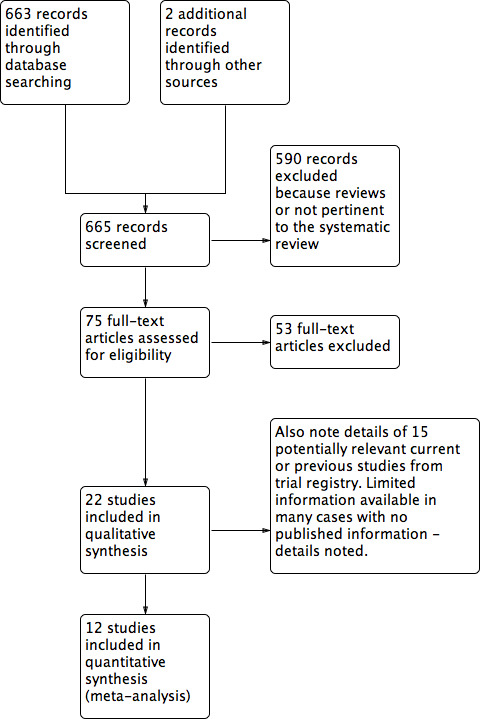
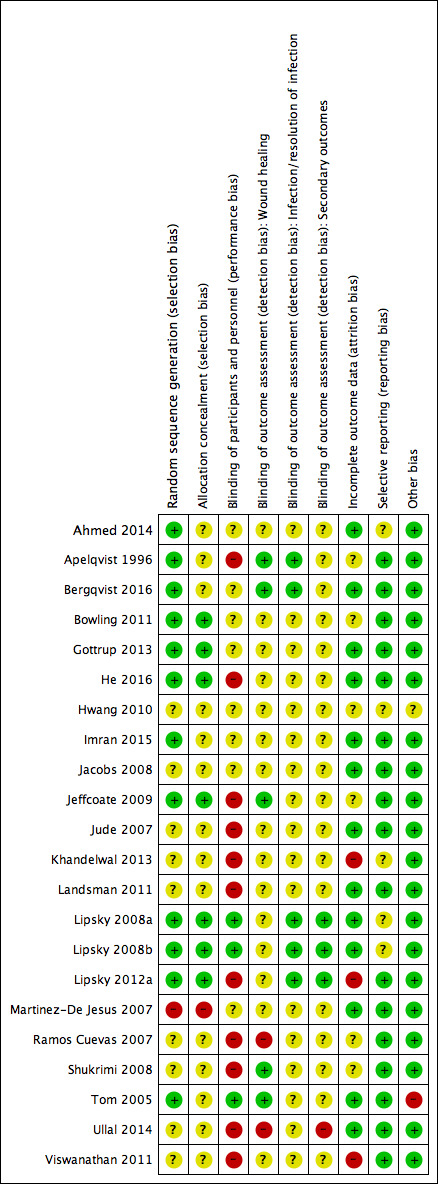
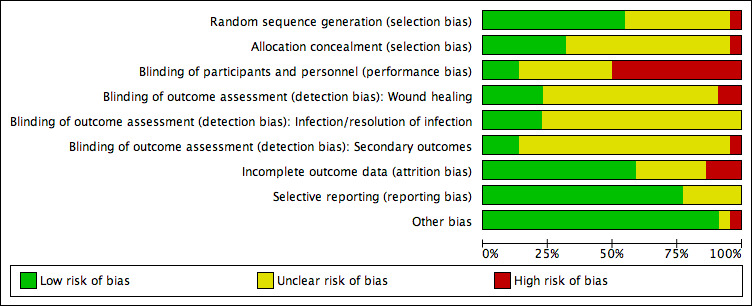
Main results: We found 22 trials that met our inclusion criteria with a total of over 2310 participants (one study did not report number of participants). The included studies mostly had small numbers of participants (from 4 to 317) and relatively short follow-up periods (4 to 24 weeks). At baseline, six trials included only people with ulcers that were clinically infected; one trial included people with both infected and uninfected ulcers; two trials included people with non-infected ulcers; and the remaining 13 studies did not report infection status.Included studies employed various topical antimicrobial treatments, including antimicrobial dressings (e.g. silver, iodides), super-oxidised aqueous solutions, zinc hyaluronate, silver sulphadiazine, tretinoin, pexiganan cream, and chloramine. We performed the following five comparisons based on the included studies: Antimicrobial dressings compared with non-antimicrobial dressings: Pooled data from five trials with a total of 945 participants suggest (based on the average treatment effect from a random-effects model) that more wounds may heal when treated with an antimicrobial dressing than with a non-antimicrobial dressing: risk ratio (RR) 1.28, 95% confidence interval (CI) 1.12 to 1.45. These results correspond to an additional 119 healing events in the antimicrobial-dressing arm per 1000 participants (95% CI 51 to 191 more). We consider this low-certainty evidence (downgraded twice due to risk of bias). The evidence on adverse events or other outcomes was uncertain (very low-certainty evidence, frequently downgraded due to risk of bias and imprecision). Antimicrobial topical treatments (non dressings) compared with non-antimicrobial topical treatments (non dressings): There were four trials with a total of 132 participants in this comparison that contributed variously to the estimates of outcome data. Evidence was generally of low or very low certainty, and the 95% CIs spanned benefit and harm: proportion of wounds healed RR 2.82 (95% CI 0.56 to 14.23; 112 participants; 3 trials; very low-certainty evidence); achieving resolution of infection RR 1.16 (95% CI 0.54 to 2.51; 40 participants; 1 trial; low-certainty evidence); undergoing surgical resection RR 1.67 (95% CI 0.47 to 5.90; 40 participants; 1 trial; low-certainty evidence); and sustaining an adverse event (no events in either arm; 81 participants; 2 trials; very low-certainty evidence). Comparison of different topical antimicrobial treatments: We included eight studies with a total of 250 participants, but all of the comparisons were different and no data could be appropriately pooled. Reported outcome data were limited and we are uncertain about the relative effects of antimicrobial topical agents for each of our review outcomes for this comparison, that is wound healing, resolution of infection, surgical resection, and adverse events (all very low-certainty evidence). Topical antimicrobials compared with systemic antibiotics : We included four studies with a total of 937 participants. These studies reported no wound-healing data, and the evidence was uncertain for the relative effects on resolution of infection in infected ulcers and surgical resection (very low certainty). On average, there is probably little difference in the risk of adverse events between the compared topical antimicrobial and systemic antibiotics treatments: RR 0.91 (95% CI 0.78 to 1.06; moderate-certainty evidence - downgraded once for inconsistency). Topical antimicrobial agents compared with growth factor: We included one study with 40 participants. The only review-relevant outcome reported was number of ulcers healed, and these data were uncertain (very low-certainty evidence).
Authors' conclusions: The randomised controlled trial data on the effectiveness and safety of topical antimicrobial treatments for diabetic foot ulcers is limited by the availability of relatively few, mostly small, and often poorly designed trials. Based on our systematic review and analysis of the literature, we suggest that: 1) use of an antimicrobial dressing instead of a non-antimicrobial dressing may increase the number of diabetic foot ulcers healed over a medium-term follow-up period (low-certainty evidence); and 2) there is probably little difference in the risk of adverse events related to treatment between systemic antibiotics and topical antimicrobial treatments based on the available studies (moderate-certainty evidence). For each of the other outcomes we examined there were either no reported data or the available data left us uncertain as to whether or not there were any differences between the compared treatments. Given the high, and increasing, frequency of diabetic foot wounds, we encourage investigators to undertake properly designed randomised controlled trials in this area to evaluate the effects of topical antimicrobial treatments for both the prevention and the treatment of infection in these wounds and ultimately the effects on wound healing.
Conflict of interest statement
Figures
Update of
References
References to studies included in this review
Ahmed 2014 {published data only}
-
- Ahmed A, Ahmed MI. A comparison of efficacy of topical use of phenytoin and Vaseline gauze dressing with Vaseline gauze dressing alone in healing of diabetic foot ulcers. Journal of Postgraduate Medical Institute 2014;28(3):297‐302.
Apelqvist 1996 {published data only}
-
- Apelqvist J, Ragnarson‐Tennvall G. Cavity foot ulcers in diabetic patients: a comparative study of cadexomer iodine ointment and standard treatment. An economic analysis alongside a clinical trial. Acta Dermato‐Venereologica 1996;76(3):231‐5. - PubMed
Bergqvist 2016 {published data only}
Bowling 2011 {published data only}
-
- Bowling FL, Crews RT, Salgami E, Armstrong DG, Boulton AJ. The use of superoxidized aqueous solution versus saline as a replacement solution in the Versajet lavage system in chronic diabetic foot ulcers. Journal of the American Podiatric Medical Association 2011;101(2):124‐6. - PubMed
Gottrup 2013 {published data only}
-
- Gottrup F, Cullen BM, Karlsmark T, Bischoff‐Mikkelsen M, Nisbet L, Gibson MC. Randomized controlled trial on collagen/oxidized regenerated cellulose/silver treatment. Wound Repair and Regeneration 2013;21:1‐10. - PubMed
He 2016 {published data only}
-
- He WQ, Luo WH, Li L, Jiang L. Effects of silver ions dressing for diabetic foot ulcers: a randomized controlled trial [银离子敷料治疗糖尿病足溃疡的疗效观察]. Chinese Journal of Evidence‐Based Medicine 2016;5:510‐2.
Hwang 2010 {published data only}
-
- Hwang JH, Kim KS, Lee SY. Hydrofibre dressings with silver in the management of diabetic foot ulcers. EWMA Journal 2010;10(2):136. [Abstract P57]
Imran 2015 {published data only}
-
- Imran M, Hussain MB, Baig M. A randomized, controlled clinical trial of honey‐impregnated dressing for treating diabetic foot ulcer. Journal of the College of Physicians and Surgeons ‐ Pakistan 2015;25:721‐5. - PubMed
Jacobs 2008 {published data only}
-
- Jacobs AM, Tomczak R. Evaluation of Bensal HP for the treatment of diabetic foot ulcers. Advances in Skin & Wound Care 2008;21(10):461‐5. - PubMed
Jeffcoate 2009 {published data only}
-
- Jeffcoate WJ, Price PE, Phillips CJ, Game FL, Mudge E, Davies S, et al. Randomised controlled trial of the use of three dressing preparations in the management of chronic ulceration of the foot in diabetes. Health Technology Assessment 2009;13(54):1‐86. - PubMed
Jude 2007 {published data only}
-
- Jude EB, Apelqvist J, Spraul M, Martini J, Silver Dressing Study Group. Prospective randomized controlled study of Hydrofiber dressing containing ionic silver or calcium alginate dressings in non‐ischaemic diabetic foot ulcers. Diabetic Medicine 2007;24(3):280‐8. - PubMed
Khandelwal 2013 {published data only}
Landsman 2011 {published data only}
-
- Landsman A, Blume PA, Jordan DA, Vayser D, Gutierrez A. An open‐label, three‐arm pilot study of the safety and efficacy of topical Microcyn Rx wound care versus oral levofloxacin versus combined therapy for mild diabetic foot infections. Journal of the American Podiatric Medical Association 2011;101(6):484‐96. - PubMed
Lipsky 2008a {published data only}
-
- Lipsky BA, Holroyd KJ, Zasloff M. Topical versus systemic antimicrobial therapy for treating mildly infected diabetic foot ulcers: a randomized, controlled, double‐blinded, multicenter trial of Pexiganan cream. Clinical Infectious Diseases 2008;47(12):1537‐45. - PubMed
Lipsky 2008b {published data only}
-
- Lipsky BA, Holroyd KJ, Zasloff M. Topical versus systemic antimicrobial therapy for treating mildly infected diabetic foot ulcers: a randomized, controlled, double‐blinded, multicenter trial of Pexiganan cream. Clinical Infectious Diseases 2008;47(12):1537‐45. - PubMed
Lipsky 2012a {published data only}
-
- Lipsky BA, Kuss M, Edmonds M, Reyzelman A, Sigal F. Topical application of a gentamicin‐collagen sponge combined with systemic antibiotic therapy for the treatment of diabetic foot infections of moderate severity: a randomized, controlled, multicenter clinical trial. Journal of the American Podiatric Medical Association 2012;102(3):223‐32. - PubMed
Martinez‐De Jesus 2007 {published data only}
Ramos Cuevas 2007 {published data only}
-
- Ramos Cuevas F, Velazquez Mendez AA, Castaneda Andrade I. Zinc hyaluronate effects on ulcers in diabetic patients. Gerokomos 2007;18(2):91‐101.
Shukrimi 2008 {published data only}
-
- Shukrimi A, Sulaiman AR, Halim AY, Azril A. A comparative study between honey and povidone iodine as dressing solution for Wagner Type II diabetic foot ulcers. Medical Journal of Malaysia 2008;63(1):44‐6. - PubMed
Tom 2005 {published data only}
-
- Tom WL, Peng DH, Allaei A, Hsu D, Hata TR. The effect of short‐contact topical tretinoin therapy for foot ulcers in patients with diabetes. Archives of Dermatology 2005;141(11):1373‐7. - PubMed
Ullal 2014 {published data only}
-
- Ullal S, Adhikari P. Efficacy of honey in healing diabetic ulcers: a pilot study. Diabetes Research and Clinical Practice 2014;106(1 Suppl):S63‐4. [Poster PO037]
References to studies excluded from this review
Abidia 2003 {published data only}
-
- Abidia A, Laden G, Kuhan G, Johnson BF, Wilkinson AR, Renwick PM, et al. The role of hyperbaric oxygen therapy in ischaemic diabetic lower extremity ulcers: a double‐blind randomised‐controlled trial. European Journal of Vascular and Endovascular Surgery 2003;25(6):513‐8. - PubMed
Ajmeer 2015 {published data only}
Al‐Ebous 2005 {published data only}
-
- Al‐Ebous AD, Hiasat B, Sarayrah M, Al‐Jahmi M, Al‐Zuriqat AN. Management of diabetic foot in a Jordanian hospital. Eastern Mediterranean Health Journal 2005;11(3):490‐3. - PubMed
Alzahrani 2013 {published data only}
-
- Alzahrani H, Bedir Y, Al‐Hayani A. Efficacy of shellac, a natural product, for the prevention of wet gangrene. Journal of International Medical Research 2013;41(3):795–803. - PubMed
Bahar 2015 {published data only}
-
- Bahar A, Saeedi M, Kshi Z, Davoodi M. The effect of Aloe vera and honey gel in healing diabetic foot ulcers. Journal of Mazandaran University of Medical Sciences 2015;25(128):110‐4.
Belcaro 2010 {published data only}
-
- Belcaro G, Cesarone MR, Errichi BM, Ricci A, Dugall M, Pellegrini L, et al. Venous and diabetic ulcerations: management with topical multivalent silver oxide ointment. Panminerva Medica 2010;52(2 Suppl 1):37‐42. - PubMed
Braumann 2008 {published data only}
-
- Braumann C, Pirlich M, Menenakos C, Lochs H, Mueller JM. Implementation of the clean and close concept for treatment of surgical and chronic wounds in three university centres in Berlin Germany. old.ewma.org/fileadmin/user_upload/EWMA/pdf/conference_abstracts/2008/or... (accessed 3 February 2017).
Braumann 2011 {published data only}
-
- Braumann C, Guenther N, Menenakos C, Muenzberg H, Pirlich M, Lochs H, et al. Clinical experiences derived from implementation of an easy to use concept for treatment of wound healing by secondary intention and guidance in selection of appropriate dressings. International Wound Journal 2011;8(3):253‐60. - PMC - PubMed
Dalla Paola 2005 {published data only}
-
- Dalla Paola L, Brocco E, Senesi A, Ninkovic S, Merico M, Vido D. Use of Dermacyn, a new antiseptic agent, for the local treatment of diabetic foot ulcers. Journal of Wound Healing 2005;2:201.
Della Marchina 1997 {published data only}
-
- Della Marchina M, Renzi G. A new antiseptic preparation used for the disinfection of cutaneous distrophic ulcers. Chronica Dermatologica 1997;7(6):873‐85.
Driver 2015 {published data only}
-
- Driver VR, Lavery LA, Reyzelman AM, Dutra TG, Dove CR, Kotsis SV, et al. A clinical trial of Integra Template for diabetic foot ulcer treatment. Wound Repair and Regeneration 2015;23(6):891‐900. - PubMed
Dwivedi 2007 {published data only}
-
- Dwivedi KN, Shukla VK, Ojha JK. Role of plant extract in non‐healing diabetic foot ulcers. 10th Conference of the European Wound Management Association; 2000 May 18‐20; Stockholm, Sweden. 2000:27.
Gao 2007 {published data only}
-
- Gao L, Xu GX, Zhou HB. Efficacy evaluation of diabetic foot ulceration treated with iodophors dressings therapy. Journal of Clinical Nursing 2007;6:21‐2.
Gibbons 2015 {published data only}
Hadi 2007 {published data only}
-
- Hadi SF, Khaliq T, Bilal N, Sikandar I, Saaiq M, Aurangzeb S. Treating infected diabetic wounds with superoxidized water as antiseptic agent: a preliminary experience. Journal of the College of Physicians and Surgeons ‐ Pakistan 2007;17(12):740‐3. - PubMed
Kamaratos 2014 {published data only}
Kapur 2011 {published data only}
Kastelan 1998 {published data only}
-
- Kastelan M, Brajac I, Gruber F. Treatment of leg ulcers with autologous heparinized blood. Acta Dermato‐Venereologica 1998;7:30‐4.
Lázaro‐Martínez 2014 {published data only}
-
- Lázaro‐Martínez JL, Aragón‐Sánchez J, García‐Morales E. Antibiotics versus conservative surgery for treating diabetic foot osteomyelitis: a randomized comparative trial. Diabetes Care 2014;37(3):789‐95. - PubMed
Li 2004 {published data only}
-
- Li HM, Liang ZQ, Meng CY, Li DH. The efficacy and safety of recombinant human epidermal growth factor in 4 types of wounds. Chinese Journal of New Drugs 2004;13(11):1048‐50.
Li 2008 {published data only}
-
- Li Y, Song Z‐Q, Ren H‐Z. Alprostadil combined with deproteinized calf blood extractives injection for treatment of diabetic foot. Journal of Clinical Rehabilitative Tissue Engineering Research 2008;12(50):9970‐2.
Li 2011 {published data only}
-
- Li FL, Deng H, Wang HW, Xu R, Chen J, Wang YF, et al. Effects of external application of Chinese medicine on diabetic ulcers and the expressions of β‐catenin, c‐myc and K6. Chinese Journal of Integrative Medicine 2011;17(4):261‐6. - PubMed
Lipsky 2015 {published data only}
-
- Lipsky BA, Cannon CM, Ramani A, Jandourek A, Calmaggi A, Friedland HD, et al. Ceftaroline fosamil for treatment of diabetic foot infections: the CAPTURE study experience. Diabetes/Metabolism Research and Reviews 2015;31(4):395‐401. - PubMed
Lishner 1985 {published data only}
-
- Lishner M, Lang R, Kedar I, Ravid M. Treatment of diabetic perforating ulcers (mal perforant) with local dimethylsulfoxide. Journal of the American Geriatrics Society 1985;33(1):41‐3. - PubMed
Londahl 2013 {published data only}
-
- Londahl M, Sjoberg S, Apelqvist J. Monochromatic phototherapy enhances healing rate in diabetic foot ulcers. EWMA Journal 2013; Vol. 13, issue 1 Suppl:54. [Abstract 70]
Mahmoud 2008 {published data only}
-
- Mahmoud SM, Mohamed AA, Mahdi SE, Ahmed ME. Split‐skin graft in the management of diabetic foot ulcers. Journal of Wound Care 2008;17(7):303‐6. - PubMed
Martinez‐Sanchez 2005 {published data only}
-
- Martínez‐Sánchez G, Al‐Dalaina SM, Menéndez S, Rec L, Giuliani A, Candelario‐Jalila E, et al. Therapeutic efficacy of ozone in patients with diabetic foot. European Journal of Pharmacology 2005;523:151‐61. - PubMed
Mikhaloĭko 2014 {published data only}
-
- Mikhaloĭko II, Sabadosh RV, Kovalenko AL, Skripko VD. Rationale of application of the drug Cytoflavin in complex treatment of patients with diabetic foot syndrome with mediacalcification arteries. Khirurgiia 2014;12:36‐40. - PubMed
Minatel 2009 {published data only}
-
- Minatel DG, Frade MA, França SC, Enwemeka CS. Phototherapy promotes healing of chronic diabetic leg ulcers that failed to respond to other therapies. Lasers in Surgery and Medicine 2009;41(6):433‐41. - PubMed
Monami 2012 {published data only}
-
- Monami M, Genovese S, Anichini R, Fondelli C, Romagnoli F, Bartoli N, et al. Randomised, double‐blind versus placebo, proof of concept clinical trial to evaluate efficacy and safety of g.68.y/etoh in diabetic infected foot ulcers (DANTE study). Diabetologia 2012;55(1 Suppl):S476.
Morley 2012 {published data only}
-
- Morley S, Griffiths J, Philips G, Moseley H, O'Grady C, Mellish K, et al. Phase IIa randomized, placebo‐controlled study of antimicrobial photodynamic therapy in bacterially colonized, chronic leg ulcers and diabetic foot ulcers: a new approach to antimicrobial therapy. British Journal of Dermatology 2013;168(3):617‐24. - PubMed
Motta 2004 {published data only}
-
- Motta GJ, Milne CT, Corbett LQ. Impact of antimicrobial gauze on bacterial colonies in wounds that require packing. Ostomy/Wound Management 2004;50(8):48‐62. - PubMed
Münter 2006 {published data only}
-
- Münter KC, Beele H, Russell L, Crespi A, Gröchenig E, Basse P, et al. Effect of a sustained silver‐releasing dressing on ulcers with delayed healing: the CONTOP study. Journal of Wound Care 2006;15(5):199‐206. - PubMed
Otvos 2015 {published data only}
-
- Otvos L, Ostorhazi E. Therapeutic utility of antibacterial peptides in wound healing. Expert Review of Anti‐infective Therapy 2015;13(7):871‐81. - PubMed
Panahi 2015 {published data only}
-
- Panahi Y, Izadi M, Sayyadi N, Rezaee R, Jonaidi‐Jafari N, Beiraghdar F, et al. Comparative trial of Aloe Vera/olive oil combination cream versus phenytoin cream in the treatment of chronic wounds. Journal of Wound Care 2015;24(10):459‐65. - PubMed
Paquette 2001 {published data only}
-
- Paquette D, Badiavis E, Falanga V. Short‐contact topical tretinoin therapy to stimulate granulation tissue in chronic wounds. Journal of the American Academy of Dermatology 2001;45(3):382‐6. - PubMed
Piaggesi 2010 {published data only}
-
- Piaggesi A, Goretti C, Mazzurco S, Tascini C, Leonildi A, Rizzo L, et al. A randomized controlled trial to examine the efficacy and safety of a new super‐oxidized solution for the management of wide postsurgical lesions of the diabetic foot. International Journal of Lower Extremity Wounds 2010;9(1):10‐5. - PubMed
Reyzelman 2009 {published data only}
-
- Reyzelman A, Crews RT, Moore JC, Moore L, Mukker JS, Offutt S, et al. Clinical effectiveness of an acellular dermal regenerative tissue matrix compared to standard wound management in healing diabetic foot ulcers: a prospective, randomised, multicentre study. International Wound Journal 2009;6(3):196‐208. - PMC - PubMed
Rhaiem 1998 {published data only}
-
- Rhaiem BB, Ftouhi B, Brahim SB, Mekaouer A, Kanoun F, Abde'nnebi A, et al. A comparative study of saccharose use in the treatment of cutaneous lesions in diabetic patients: about 80 cases [Essai comparatif de l'utilisation du saccharose dans le traitement des lésions cutanées chez le diabétique à propos de 80 cas]. Tunisie Médicale 1998;76(3):19‐23. - PubMed
Santomauro 2015 {published data only}
-
- Santomauro AC Jr, Tardivo JP, Mascarenhas BM, Ramiro RE, Santomauro AT, Correa JA. A new proposal for the treatment of patients with diabetic foot ‐ photodynamic therapy. Diabetes 2015;64(1 Suppl):A185‐6.
Scalise 2003 {published data only}
-
- Scalise A, Forma O, Happe M, Hahn TW. The CONTOP study: real life experiences from an international study comparing a silver containing hydro‐activated foam dressing with standard wound care. old.ewma.org/fileadmin/user_upload/EWMA/pdf/conference_abstracts/2003/Po... (accessed 3 February 2017).
Siavash 2011 {published data only}
Siavash 2015 {published data only}
Sibbald 2011 {published data only}
-
- Sibbald RG, Coutts P, Woo KY. Reduction of bacterial burden and pain in chronic wounds using a new polyhexamethylene biguanide antimicrobial foam dressing: clinical trial results. Advances in Skin & Wound Care 2011;24(2):78‐84. - PubMed
Song 2009 {published data only}
-
- Song M, Li X, Zhong X. Clinical observation and nursing care of patients with diabetic foot treated with sodium humate in combination with insulin external applying. Chinese Nursing Research 2009;23(10):862‐4.
Tardivo 2014 {published data only}
-
- Tardivo JP, Adami F, Correa JA, Pinhal MA, Baptista MS. A clinical trial testing the efficacy of PDT in preventing amputation in diabetic patients. Photodiagnosis and Photodynamic Therapy 2014;11(3):342‐50. - PubMed
Tauro 2013 {published data only}
-
- Tauro LF, Shetti P, Dsouza NT, Mohammed S, Sucharitha S. A comparative study of efficacy of topical phenytoin vs conventional wound care in diabetic ulcers. International Journal of Molecular Medical Science 2013;3(8):65‐71.
Tran 2014 {published data only}
-
- Tran TD‐X, Le PT‐B, Pham P. Diabetic foot ulcer treatment by activated platelet rich plasma: a clinical study. Biomedical Research and Therapy 2014;1(2):37‐42.
Trial 2010 {published data only}
-
- Trial C, Darbas H, Lavigne JP, Sotto A, Simoneau G, Tillet Y, et al. Assessment of the antimicrobial effectiveness of a new silver alginate wound dressing: a RCT. Journal of Wound Care 2010;19(1):20‐6. - PubMed
Uribe 2007 {published data only}
-
- Uribe F. Effect of a neutral pH superoxidized solution in the healing of diabetic foot ulcers. International Journal of Lower Extremity Wounds 2007;6(3):224. [Abstract 117]
Vandeputte 1997 {published data only}
-
- Vandeputte J, Gryson L. Diabetic foot infection controlled by immuno‐modulating hydrogel containing 65% glycerine. Presentation of a clinical trial. Journal of Wound Care 1996; Vol. 5, issue 8:9.
Varga 2014 {published data only}
Wainstein 2011 {published data only}
-
- Wainstein J, Feldbrin Z, Boaz M, Harman‐Boehm I. Efficacy of ozone–oxygen therapy for the treatment of diabetic foot ulcers. Diabetes Technology & Therapeutics 2011;13(12):1255‐60. - PubMed
References to studies awaiting assessment
Fazal 2012 {published data only}
-
- Fazal F. Comparative evaluation of the beneficial effects of phenytoin in diabetic ulcers. Australasian Annals of Medicine 2012;5(1):55.
Rehman 2013 {published data only}
-
- Rehman EU, Afzal OM, Ali A, Qureshi RA, Rashid M. Comparison between honey and povidone‐iodine/normal saline dressing for management of Wagner's grade I & II diabetic foot ulcers. Pakistan Journal of Medical and Health Sciences 2013;7(4):1082‐5.
References to ongoing studies
Heybeck 2012 {published data only}
-
- Heybeck T, Rothenberg G. Utilizing cupron antimicrobial therapeutic socks to help prevent lower limb and foot ulcers in the diabetic patients: a double blind trial of safety and efficacy. Foot 2012;22(2):108‐9.
NCT01594762 {unpublished data only}
-
- NCT01594762. Pexiganan versus placebo control for the treatment of mild infections of diabetic foot ulcers (Onestep‐2). clinicaltrials.gov/ct2/show/NCT01594762 (first received 7 May 2012).
Additional references
American Diabetes Association 2003
-
- American Diabetes Association. Peripheral arterial disease in people with diabetes. Diabetes Care 2003;26(12):3333‐41. - PubMed
Bergin 2006
Cooper 2004
-
- Cooper R. A review of the evidence for the use of topical antimicrobial agents in wound care. World Wide Wounds. February 2004. www.worldwidewounds.com/2004/february/Cooper/Topical‐Antimicrobial‐Agent... (accessed 3 February 2017).
Cutting 2005
-
- Cutting KF, White RJ. Criteria for identifying wound infection: revisited. Ostomy/Wound Management 2005;51:28‐34. - PubMed
Davies 2004
Davies 2007
-
- Davies CE, Hill KE, Newcombe RG, Stephens P, Wilson MJ, Harding KG, et al. A prospective study of the microbiology of chronic venous leg ulcers to reevaluate the clinical predictive value of tissue biopsies and swabs. Wound Repair and Regeneration 2007;15(1):17‐22. - PubMed
Deeks 2011
-
- Deeks JJ, Higgins JP, Altman DG, on behalf of the Cochrane Statistical Methods Group. Chapter 9: Analysing data and undertaking meta‐analyses. In: Higgins JP, Green S, editor(s). Cochrane Handbook for Systematic Reviews of Interventions Version 5.1.0 (updated March 2011). The Cochrane Collaboration, 2011. Available from handbook.cochrane.org.
Delamaire 1997
-
- Delamaire M, Maugendre D, Moreno M, Goff MC, Allannic H, Genetet B. Impaired leucocyte functions in diabetic patients. Diabetic Medicine 1997;14(1):29‐34. - PubMed
Drucker 2012
-
- Drucker CR. Update on topical antibiotics in dermatology. Dermatologic Therapy 2012;25:6‐11. - PubMed
Game 2016
-
- Game FL, Apelqvist J, Attinger C, Hartemann A, Hinchliffe RJ, Löndahl M, et al. International Working Group on the Diabetic Foot (IWGDF). Effectiveness of interventions to enhance healing of chronic ulcers of the foot in diabetes: a systematic review. Diabetes/Metabolism Research and Reviews 2016;32(1 Suppl):154‐68. - PubMed
Gardner 2001
-
- Gardner SE, Frantz RA, Doebbeling BN. The validity of the clinical signs and symptoms used to identify localized chronic wound infection. Wound Repair and Regeneration 2001;9(3):178‐86. - PubMed
Gelmetti 2008
-
- Gelmetti C. Local antibiotics in dermatology. Dermatologic Therapy 2008;21:187‐95. - PubMed
GradePro GDT 2015 [Computer program]
-
- GRADEpro GDT. GRADEpro Guideline Development Tool. McMaster University, 2015 (developed by Evidence Prime, Inc.).
Guyatt 2008
Guyatt 2011
-
- Guyatt G, Oxman A, Kunz R, Brozek J, Alonso‐Coello P, Rind D. GRADE guidelines 6. Rating the quality of evidence: imprecision. Journal of Clinical Epidemiology 2011;64:1283‐93. - PubMed
Heggers 1991
-
- Heggers JP, Sazy JA, Stenberg BD, Strock LL, McCauley RL, Herndon DN, et al. Bactericidal and wound‐healing properties of sodium hypochlorite solutions: the 1991 Lindberg Award. Journal of Burn Care and Rehabilitation 1991;12(5):420‐4. - PubMed
Heinzelmann 2002
-
- Heinzelmann M, Scott M, Lam T. Factors predisposing to bacterial invasion and infection. American Journal of Surgery 2002;183(2):179‐90. - PubMed
Higgins 2003
Higgins 2011
-
- Higgins JP, Green S, editor(s). Cochrane Handbook for Systematic Reviews of Interventions Version 5.1.0 (updated March 2011). The Cochrane Collaboration, 2011. Available from handbook.cochrane.org.
Hróbjartsson 2012
-
- Hróbjartsson A, Thomsen AS, Emanuelsson F, Tendal B, Hilden J, Boutron I, et al. Observer bias in randomised clinical trials with binary outcomes: systematic review of trials with both blinded and non‐blinded outcome assessors. BMJ 2012;344:e1119. - PubMed
IDF 2015
-
- International Diabetes Foundation (IDF). Diabetes Atlas. 7th edition. 2015. www.diabetesatlas.org (accessed 10 February 2017).
IWGDF 2015
-
- International Working Group on the Diabetic Foot (IWGDF). IWGDF guidance on the diagnosis and management of foot infections in persons with diabetes. Prepared by the IWGDF Working Group on Foot Infections 2015. iwgdf.org/guidelines/guidance‐on‐infection (accessed 3 February 2017).
IWGDF 2016
-
- International Working Group on the Diabetic Foot (IWGDF). iwgdf.org/ (accessed 10 February 2017).
James 2008
-
- James GA, Swogger E, Wolcott R, Pulcini E, Secor P, Sestrich J, et al. Biofilms in chronic wounds. Wound Repair and Regeneration 2008;16(1):37‐44. - PubMed
Jull 2015
Kontopantelis 2012
Lavery 2006
-
- Lavery LA, Armstrong DG, Wunderlich RP, Mohler MJ, Wendel CS, Lipsky BA. Risk factors for foot infections in individuals with diabetes. Diabetes Care 2006;29(6):1288‐93. - PubMed
Lefebvre 2011
-
- Lefebvre C, Manheimer E, Glanville J. Chapter 6: Searching for studies. In: Higgins JP, Green S, editor(s). Cochrane Handbook for Systematic Reviews of Interventions Version 5.1.0 (updated March 2011). The Cochrane Collaboration, 2011. Available from handbook.cochrane.org.
Lio 2004
-
- Lio PA, Kaye ET. Topical antibacterial agents. Infectious Disease Clinics of North America 2004;18:717‐33. - PubMed
Lipsky 2009
-
- Lipsky BA, Hoey C. Topical antimicrobial therapy for treating chronic wounds. Clinical Infectious Diseases 2009;49(10):1541‐9. - PubMed
Lipsky 2012b
-
- Lipsky BA, Berendt AR, Cornia PB, Pile JC, Peters EJ, Armstrong DG, et al. 2012 Infectious Diseases Society of America clinical practice guideline for the diagnosis and treatment of diabetic foot infections. Clinical Infectious Diseases 2012;54(12):e132‐73. - PubMed
Lipsky 2013
Lipsky 2016
-
- Lipsky BA, Aragón‐Sánchez J, Diggle M, Embil J, Kono S, Lavery L, et al. International Working Group on the Diabetic Foot (IWGDF). IWGDF guidance on the diagnosis and management of foot infections in persons with diabetes. Diabetes/Metabolism Research and Reviews 2016;32(1 Suppl):45‐74. - PubMed
Markakis 2016
-
- Markakis K, Bowling FL, Boulton AJ. The diabetic foot in 2015: an overview. Diabetes/Metabolism Research and Reviews 2016;32(1 Suppl):169‐78. - PubMed
Nebeker 2004
-
- Nebeker JR, Barach P, Samore MH. Clarifying adverse drug events: a clinician’s guide to terminology, documentation, and reporting. Annals of Internal Medicine 2004;140(10):795‐801. - PubMed
Neely 2009
-
- Neely AN, Gardner J, Durkee P, Warden GD, Greenhalgh DG, Gallagher JJ, et al. Are topical antimicrobials effective against bacteria that are highly resistant to systemic antibiotics?. Journal of Burn Care and Research 2009;30(1):19‐29. - PubMed
O'Meara 2001
-
- O’Meara SM, Cullum NA, Majid M, Sheldon TA. Systematic review of antimicrobial agents used for chronic wounds. British Journal of Surgery 2001;88:4‐21. - PubMed
O'Meara 2014
Pecoraro 1990
-
- Pecoraro RE, Reiber GE, Burgess EM. Pathways to diabetic limb amputation: basis for prevention. Diabetes Care 1990;13:513‐21. - PubMed
Peters 2012
-
- Peters EJ, Lipsky BA, Berendt AR, Embil JM, Lavery LA, Senneville E, et al. A systematic review of the effectiveness of interventions in the management of infection in the diabetic foot. Diabetes/Metabolism Research and Reviews 2012;28(1 Suppl):142‐62. - PubMed
Peters 2016
-
- Peters EJ, Lipsky BA, Aragón‐Sánchez J, Boyko EJ, Diggle M, Embil JM, et al. International Working Group on the Diabetic Foot (IWGDF). Interventions in the management of infection in the foot in diabetes: a systematic review. Diabetes/Metabolism Research and Reviews 2016;32(1 Suppl):145‐53. - PubMed
Prompers 2007
-
- Prompers L, Huijberts M, Apelqvist J, Jude E, Piaggesi A, Bakker K, et al. High prevalence of ischaemia, infection and serious comorbidity in patients with diabetic foot disease in Europe. Baseline results from the Eurodiale study. Diabetologia 2007;50(1):18‐25. - PubMed
RevMan 2014 [Computer program]
-
- Nordic Cochrane Centre, The Cochrane Collaboration. Review Manager 5 (RevMan 5). Version 5.3. Copenhagen: Nordic Cochrane Centre, The Cochrane Collaboration, 2014.
Rhoads 2008
-
- Rhoads DD, Wolcott RD, Percival SL. Biofilms in wounds: management strategies. Journal of Wound Care 2008;17:502‐8. - PubMed
Schünemann 2011a
-
- Schünemann HJ, Oxman AD, Higgins JP, Vist GE, Glasziou P, Guyatt GH. Chapter 11: Presenting results and 'Summary of findings' tables. In: Higgins JP, Green S, editor(s). Cochrane Handbook for Systematic Reviews of Interventions Version 5.1.0 (updated March 2011). The Cochrane Collaboration, 2011. Available from handbook.cochrane.org.
Schünemann 2011b
-
- Schünemann HJ, Oxman AD, Higgins JP, Deeks JJ, Glasziou P, Guyatt GH. Chapter 12: Interpreting results and drawing conclusions. In: Higgins JP, Green S, editor(s). Cochrane Handbook for Systematic Reviews of Interventions Version 5.1.0 (updated March 2011). The Cochrane Collaboration, 2011. Available from handbook.cochrane.org.
Selva Olid 2015
SIGN 2015
-
- Scottish Intercollegiate Guidelines Network (SIGN). Search filters. www.sign.ac.uk/methodology/filters.html (accessed 8 July 2016).
Singh 2005
-
- Singh N, Armstrong DG, Lipsky BA. Preventing foot ulcers in patients with diabetes. JAMA 2005;293(2):217‐28. - PubMed
Vermeulen 2007
von Eiff 2006
-
- Eiff C, Peters G, Becker K. The small colony variant (SCV) concept: the role of staphylococcal SCVs in persistent infections. Injury 2006;37(2 Suppl):S26‐33. - PubMed
White 2006
-
- White RJ, Cutting K, Kingsley A. Topical antimicrobials in the control of wound bioburden. Ostomy/Wound Management 2006;52(8):26‐58. - PubMed
References to other published versions of this review
Publication types
MeSH terms
Substances
Grants and funding
LinkOut - more resources
Full Text Sources
Other Literature Sources
Medical
Miscellaneous
