


Selective depletion of uropathogenic E. coli from the gut by a FimH antagonist
- PMID: 28614296
- PMCID: PMC5654549
- DOI: 10.1038/nature22972
Selective depletion of uropathogenic E. coli from the gut by a FimH antagonist
Abstract
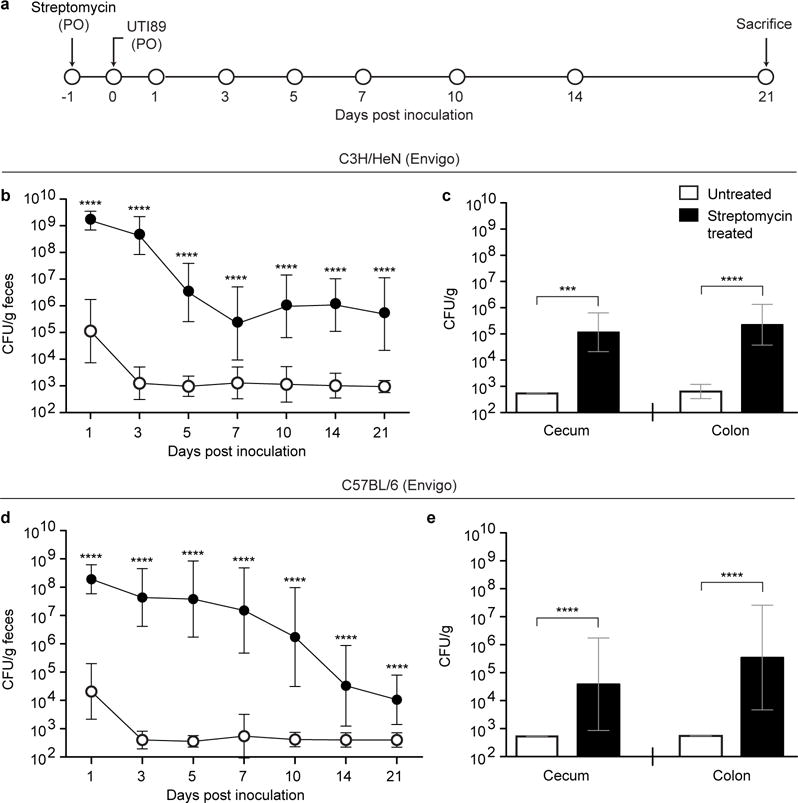
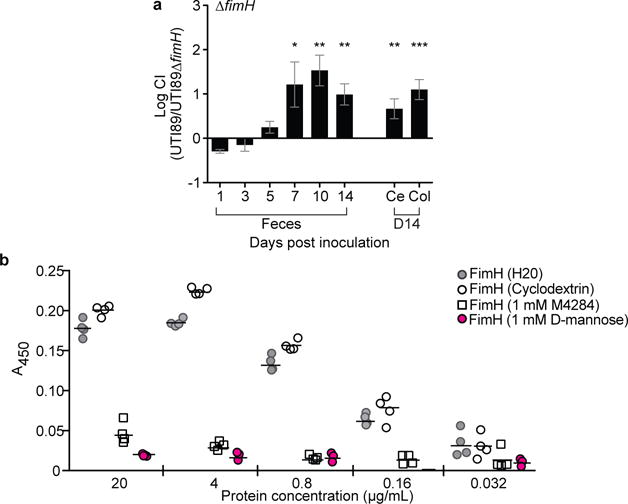
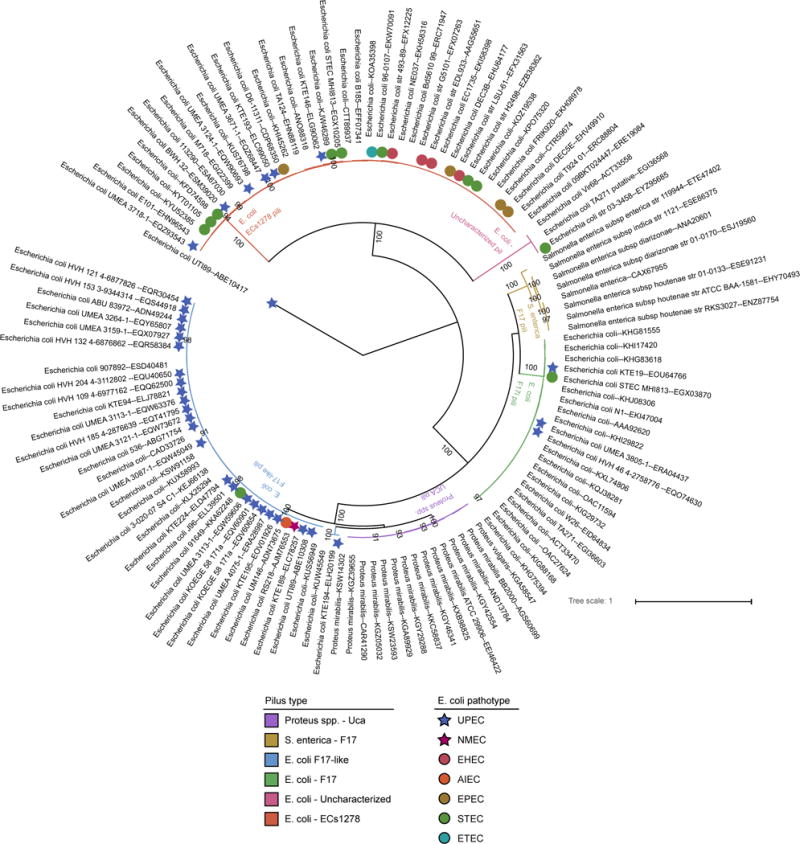
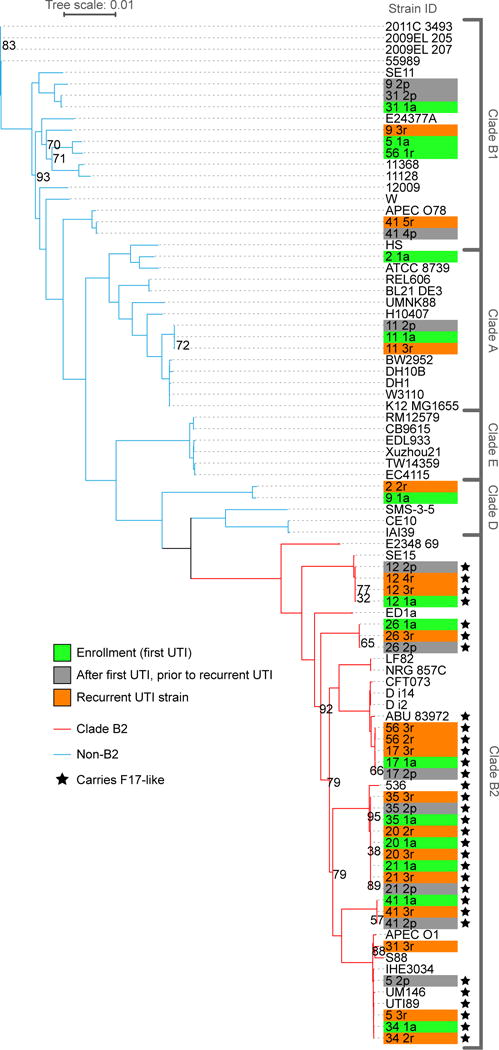
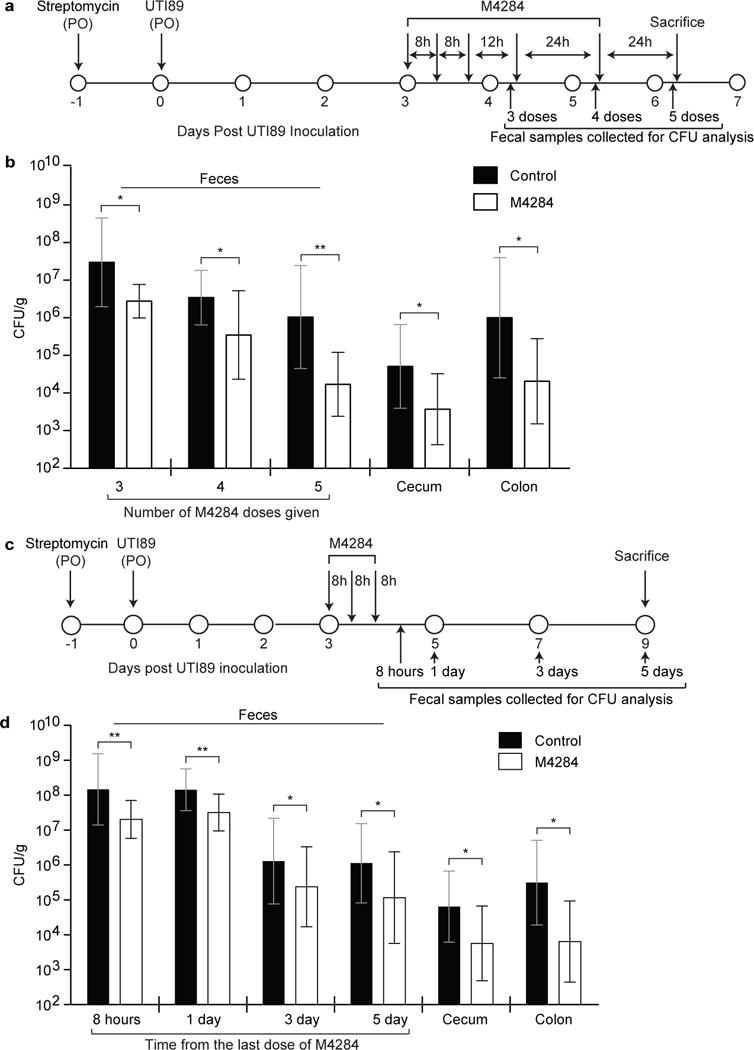
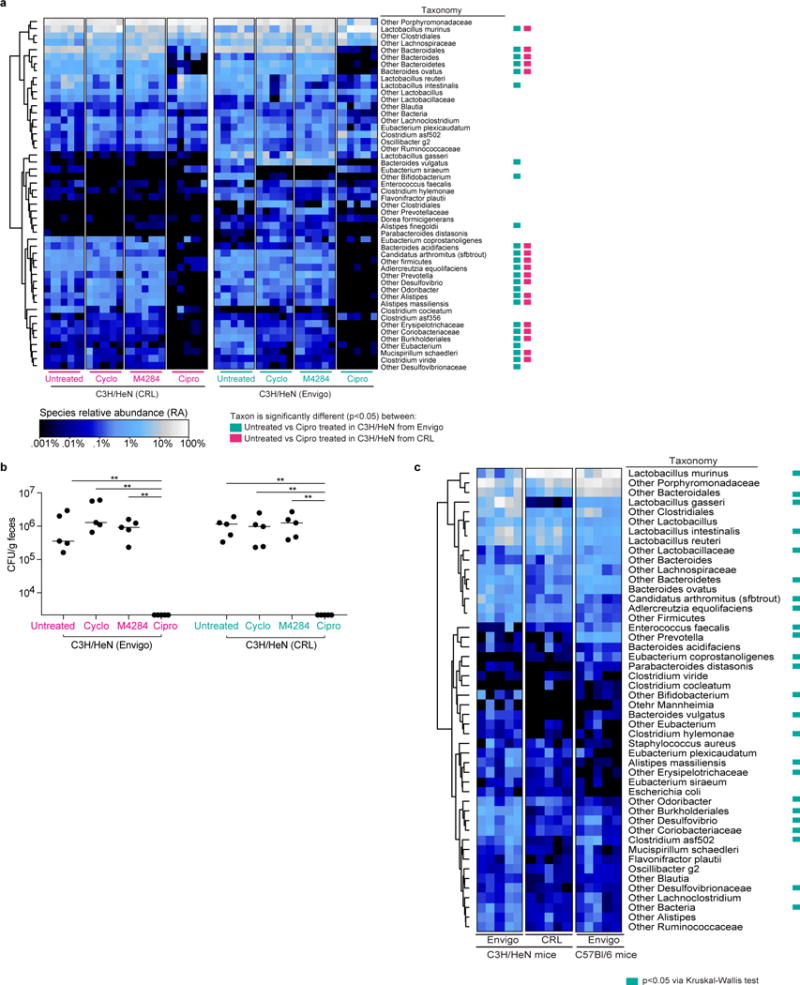
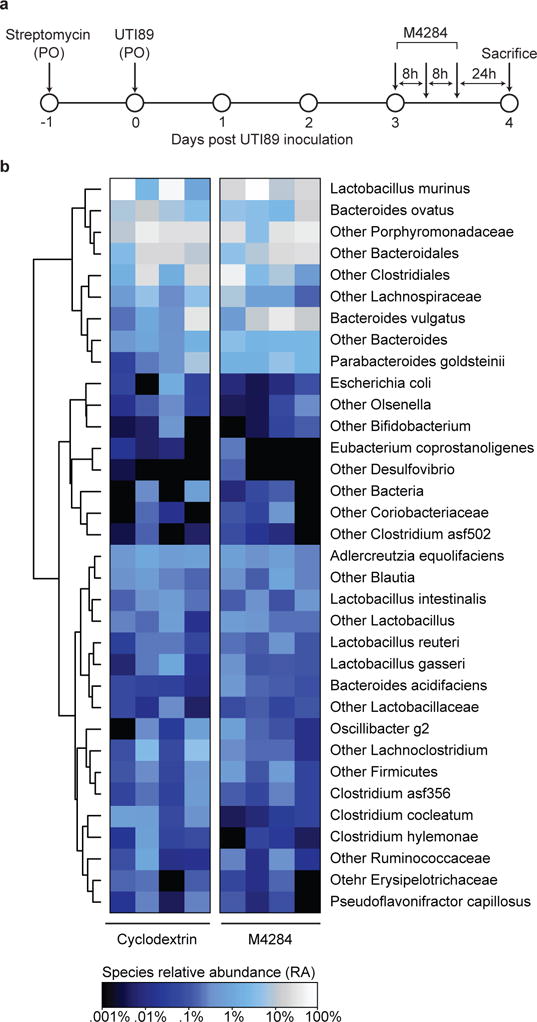
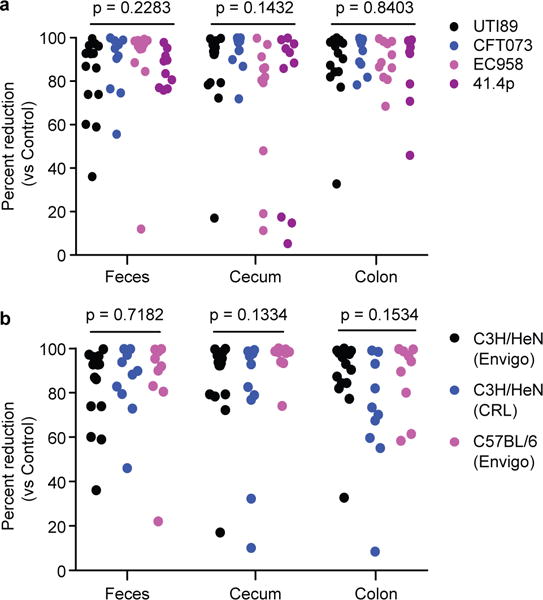
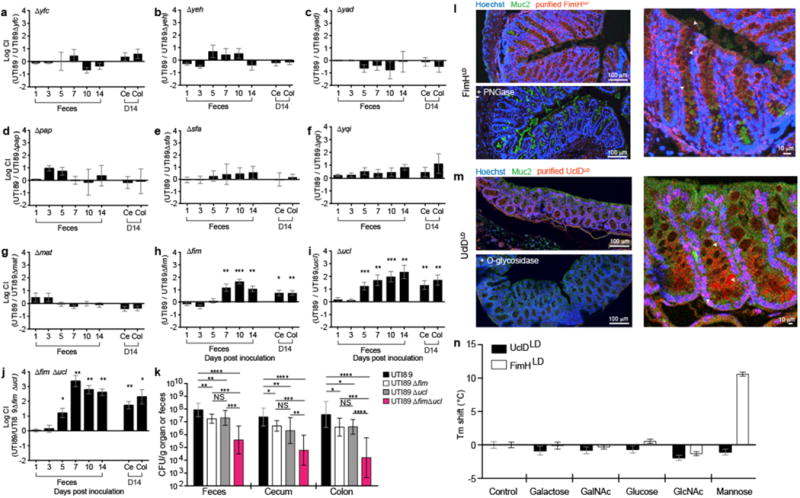
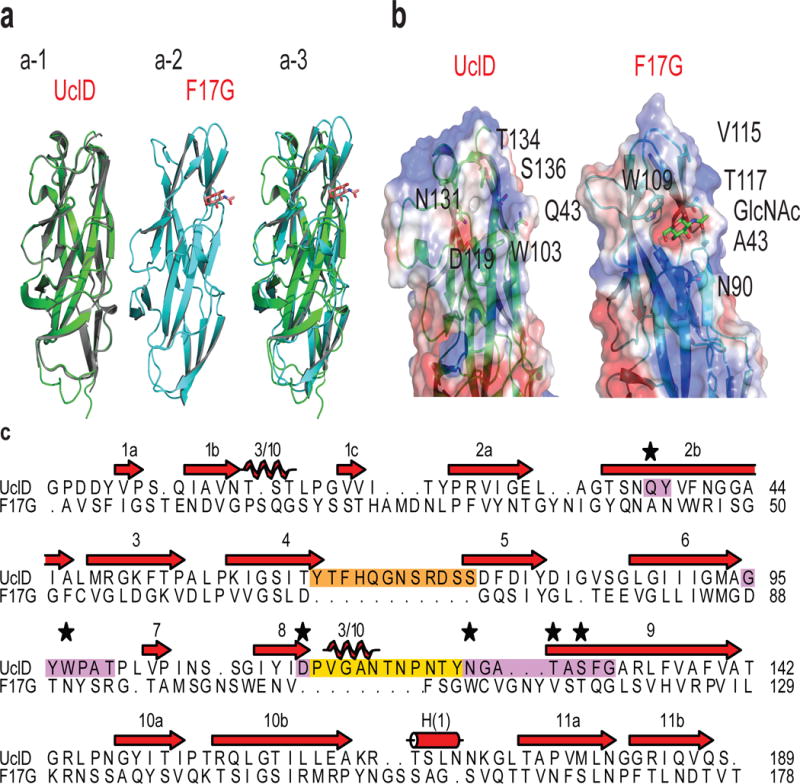
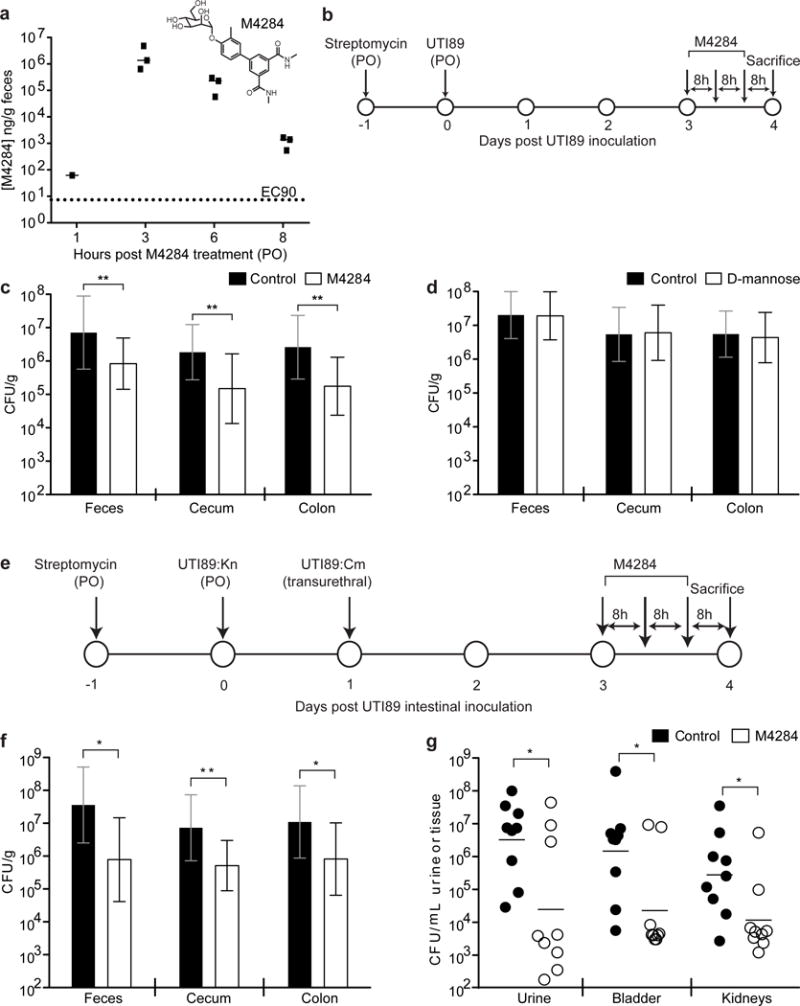
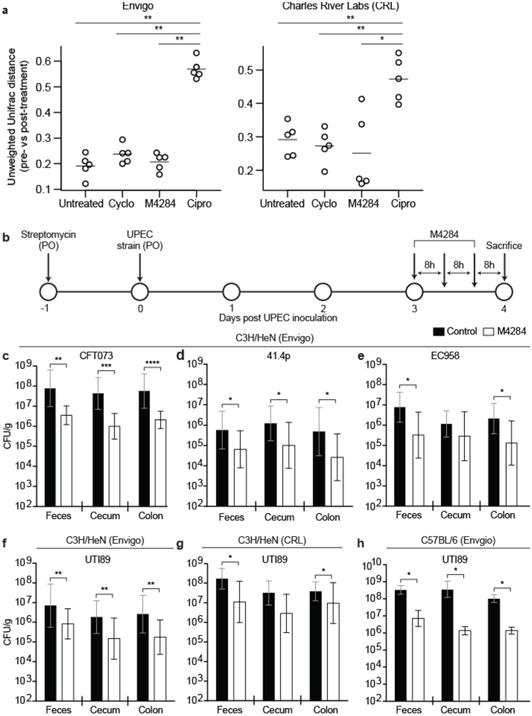
Urinary tract infections (UTIs) caused by uropathogenic Escherichia coli (UPEC) affect 150 million people annually. Despite effective antibiotic therapy, 30-50% of patients experience recurrent UTIs. In addition, the growing prevalence of UPEC that are resistant to last-line antibiotic treatments, and more recently to carbapenems and colistin, make UTI a prime example of the antibiotic-resistance crisis and emphasize the need for new approaches to treat and prevent bacterial infections. UPEC strains establish reservoirs in the gut from which they are shed in the faeces, and can colonize the periurethral area or vagina and subsequently ascend through the urethra to the urinary tract, where they cause UTIs. UPEC isolates encode up to 16 distinct chaperone-usher pathway pili, and each pilus type may enable colonization of a habitat in the host or environment. For example, the type 1 pilus adhesin FimH binds mannose on the bladder surface, and mediates colonization of the bladder. However, little is known about the mechanisms underlying UPEC persistence in the gut. Here, using a mouse model, we show that F17-like and type 1 pili promote intestinal colonization and show distinct binding to epithelial cells distributed along colonic crypts. Phylogenomic and structural analyses reveal that F17-like pili are closely related to pilus types carried by intestinal pathogens, but are restricted to extra-intestinal pathogenic E. coli. Moreover, we show that targeting FimH with M4284, a high-affinity inhibitory mannoside, reduces intestinal colonization of genetically diverse UPEC isolates, while simultaneously treating UTI, without notably disrupting the structural configuration of the gut microbiota. By selectively depleting intestinal UPEC reservoirs, mannosides could markedly reduce the rate of UTIs and recurrent UTIs.
Conflict of interest statement
Figures
Comment in
-
Bacterial pathogens: A spoonful of sugar could be the medicine.Nature. 2017 Jun 22;546(7659):479-480. doi: 10.1038/nature23084. Epub 2017 Jun 14. Nature. 2017. PMID: 28614303 Free PMC article.
-
Infection: Impeding UPEC gut colonization.Nat Rev Urol. 2017 Aug;14(8):449. doi: 10.1038/nrurol.2017.99. Epub 2017 Jun 20. Nat Rev Urol. 2017. PMID: 28631739 No abstract available.
-
Antimicrobials: Modified sugar compound can clear intestinal colonization by UPEC.Nat Rev Microbiol. 2017 Aug;15(8):449. doi: 10.1038/nrmicro.2017.77. Epub 2017 Jul 3. Nat Rev Microbiol. 2017. PMID: 28669981 No abstract available.
-
Infection: Impeding UPEC gut colonization.Nat Rev Nephrol. 2017 Sep;13(9):515. doi: 10.1038/nrneph.2017.96. Epub 2017 Jul 17. Nat Rev Nephrol. 2017. PMID: 28713166 No abstract available.
-
Re: Estrogen Receptor β, a Regulator of Androgen Receptor Signaling in the Mouse Ventral Prostate.J Urol. 2018 Jan;199(1):30-31. doi: 10.1016/j.juro.2017.09.093. Epub 2017 Oct 3. J Urol. 2018. PMID: 29310190 No abstract available.
-
Re: Selective Depletion of Uropathogenic E. coli from the Gut by a FimH Antagonist.J Urol. 2018 Jan;199(1):30-31. doi: 10.1016/j.juro.2017.09.094. Epub 2017 Oct 3. J Urol. 2018. PMID: 29310191 No abstract available.
-
Re: Selective Depletion of Uropathogenic E. coli from the Gut by a FimH Antagonist.J Urol. 2018 Apr;199(4):874-875. doi: 10.1016/j.juro.2018.01.017. Epub 2018 Jan 9. J Urol. 2018. PMID: 29642325 No abstract available.
References
-
- Foxman B. Urinary tract infection syndromes: occurrence, recurrence, bacteriology, risk factors, and disease burden. Infect Dis Clin North Am. 2014;28:1–13. - PubMed
-
- Zowawi HM, et al. The emerging threat of multidrug-resistant Gram-negative bacteria in urology. Nature Reviews Urology. 2015;12:570–584. - PubMed
